

AI makes IT jobs more demanding, SolarWinds study finds
Tue, 21st Apr 2026.webp)
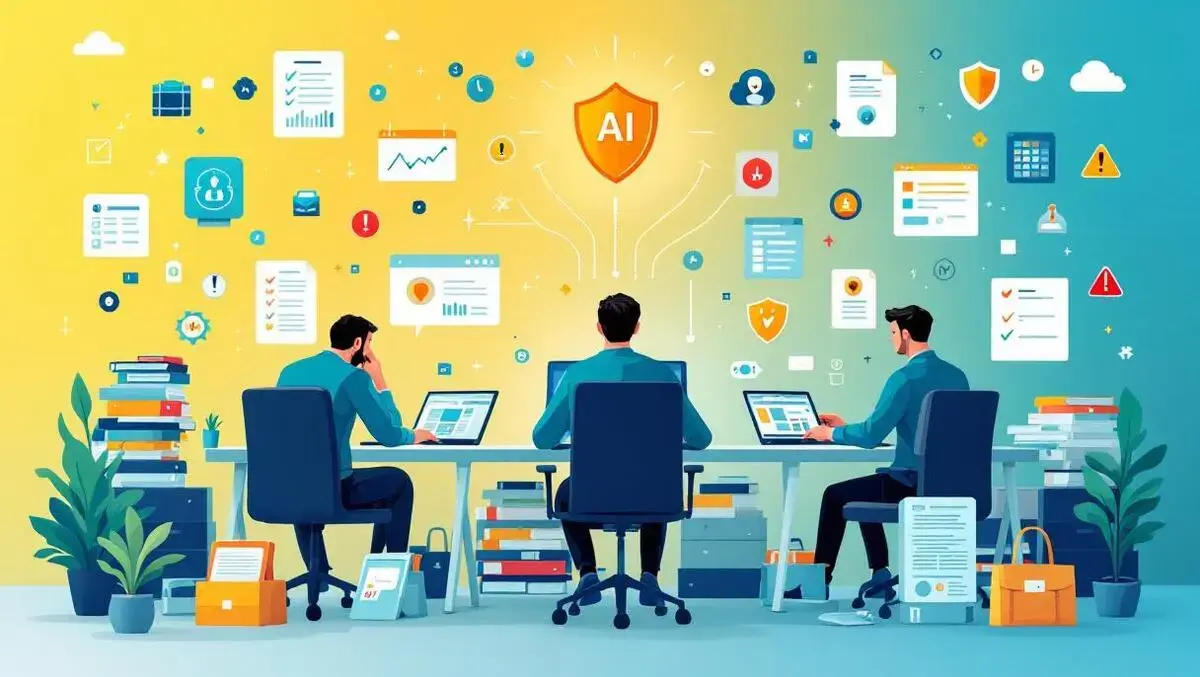
SolarWinds has published new research on AI's effect on IT workloads. The survey found that 71% of IT professionals say AI has made their role more demanding.
The study covered 1,040 IT professionals worldwide and examined how AI is changing day-to-day work inside IT teams. While 67% of respondents said AI has reduced manual work, the data also showed rising oversight tasks, trust concerns and added pressure on already stretched staff.
Much of that tension appears to stem from the need to check AI-generated output. More than seven in 10 respondents said they need to double-check AI's work, while 62% said they struggle to trust its recommendations.
The findings also raised concerns about the quality of information produced by these systems. Nearly half of those surveyed, 48%, said AI tools generate too many insights without enough context, making the results harder to interpret and use.
The figures point to a shift in the nature of IT work rather than a simple reduction in workload. Repetitive manual tasks may be declining for some teams, but new demands are emerging in review, validation, governance and risk management.
As AI tools spread across organisations, IT departments are also taking on more responsibility for ensuring those systems are used correctly. That includes monitoring outputs, managing security concerns and handling operational issues linked to the rollout of multiple AI tools.
The research suggests this added burden is falling on teams that already face heavy workloads. In practice, time saved through automation may be offset by the effort needed to assess whether AI-generated recommendations are reliable and useful in a business setting.
Trust gap
The findings underline a wider issue in corporate AI adoption: efficiency gains do not remove the need for human scrutiny. For IT teams, that scrutiny can involve checking automated analysis, reviewing alerts and deciding whether outputs provide enough context for action.
When systems generate large volumes of information without clear explanation, deciding what matters can become another source of work. The survey suggests this is becoming a common feature of AI use in IT operations.
Cullen Childress, Chief Product Officer at SolarWinds, said pressure on teams is growing as businesses adopt more AI tools without reducing the oversight expected from IT.
"IT teams are being hit hard with additional cognitive load resulting from AI implementations. While the wider workforce is embracing a growing number of AI tools, IT is left to manage and secure them, as well as extract value from data that often lacks context," Childress said.
Oversight burden
The survey results suggest AI is not only changing workflows but also expanding the accountability attached to IT roles. Teams are increasingly expected to maintain governance and security standards while handling the practical demands of implementation and support.
That can create a gap between expectations of automation and the reality of managing it. If AI tools produce outputs that require frequent checking, the promised reduction in workload may be limited, especially where staffing and time are already under pressure.
The findings reflect a broader pattern in which AI introduces another layer of decision-making. Rather than removing people from the process, the technology often shifts human effort toward verification and judgment.
Childress said poor planning can deepen those problems by increasing fragmentation and risk.
"Without proper planning, AI can introduce more risk through gaps in security and governance, while adding more fragmentation, reviews, and sanity checks for teams that don't have the capacity to absorb it. However, the right AI tools can change that, helping teams move away from constant reactive work towards more intelligent, automated environments that identify issues earlier and reduce the need for manual oversight," he said.