

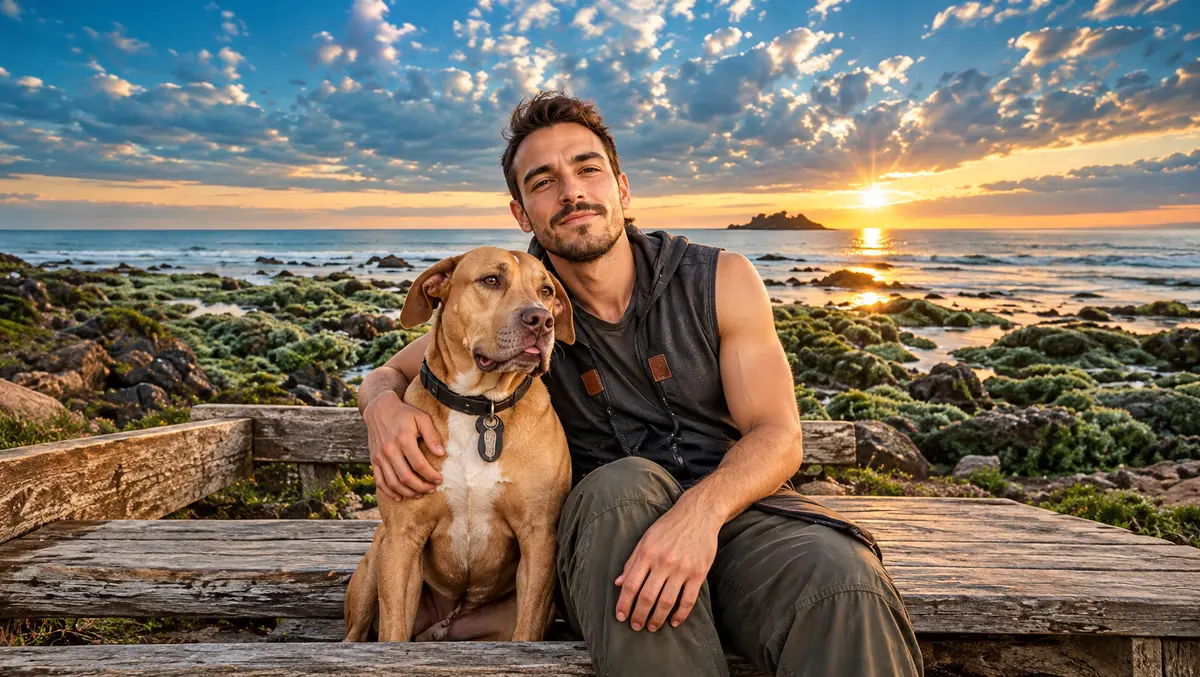

Matthew Campbell is developing The -Wayfinder, a proposed offline-first digital tour platform starting in the Daintree Rainforest. The concept centres on browser-based guided journeys launched via QR codes.
Campbell, a Photographer who lives off-grid in Cow Bay in Far North Queensland, is exploring how visitors could access narrated travel experiences in areas with unreliable mobile coverage. The project is at an early stage and is not a launched commercial service.
Under the model in development, visitors would scan a QR code to begin a location-aware tour in a phone browser, without downloading an app or registering an account for an introductory experience. Campbell is building the concept around geographically triggered narration, original imagery and story collections created by local contributors.
A practical challenge sits at the centre of the idea. In the Daintree, reception can disappear between mountain ranges and along forest roads, so the proposed service is being designed to save route information, audio and images locally for use during a journey.
This approach would aim to let GPS positioning continue when mobile data drops out, with synchronisation resuming once reception returns. As travellers approach relevant places, the experience would play narrated stories, reducing the need for constant screen interaction.
Campbell has also considered features including accessible audio-led experiences, walking chapters, geographic story points and route awareness. He said any ideas related to local safety alerts for remote roads would require further engineering, privacy protections, testing and partnerships, and should not be treated as an operational emergency or traffic service.
Local test case
The Daintree is intended as the first test case for the concept. Campbell has described a visitor journey beginning at the Daintree River ferry, where a family could scan a code and continue north through the rainforest while hearing location-based narration about wildlife, history, photography or landscape interpretation.
Beyond the initial region, he is considering a broader marketplace model for local tourism and cultural storytelling. The longer-term idea is a digital tour shop where Photographers, Historians, Guides, Storytellers and tourism businesses could create their own experiences and choose how those works are licensed, credited and compensated.
This could include a narrated historic walk in a small town, a landscape journey built by a regional Photographer, or a bookable thematic experience offered by a Guide alongside free introductory content. Campbell has not presented those revenue and contributor arrangements as settled and said they would need to be built and tested.
Cultural permissions
The proposal also raises questions about authority over cultural material. Campbell said any Aboriginal or Torres Strait Islander content would require informed authority, consent and direction from the relevant Traditional Owners and knowledge holders, including decisions on whether stories could be recorded, shared, interpreted or commercialised, and how benefits should be allocated.
He is not claiming to have completed cultural approvals or partnerships. Community engagement remains one of several tasks ahead, alongside technical guidance, development support, infrastructure and security assessment, prototype validation, accessibility testing and funding.
So far, Campbell said he has worked independently on software concepts and prototypes, rainforest photography, marketing designs and five narrated concept presentations. Those materials are intended to show the project's direction rather than a finished product, national user base or established financial model.
Under the proposed ownership structure, the central platform and existing intellectual property would remain under founder ownership, while local contributions would be subject to separate permissions and agreements. Campbell has also indicated that any expansion would need to follow staged engineering milestones rather than a rapid national rollout.
An initial proof of concept in the Daintree would test how the system performs under real signal conditions, terrain constraints and visitor behaviour before any wider deployment. That focus reflects both the region's technical limits and the project's origin in Campbell's own surroundings.
He linked the idea to a longer personal interest in preserving stories and place-based knowledge. Campbell said his motivation came from childhood experiences growing up alongside children he considered cousins while his grandparents cared for children from Indigenous communities, as well as a later ambition to build a business that could create opportunities for others.
"I don't want to leave this place behind. I want to share what makes it so extraordinary, help protect its stories, and give other Australians the opportunity to do the same for the places they love," said Campbell, Founder and Creator, The -Wayfinder.