

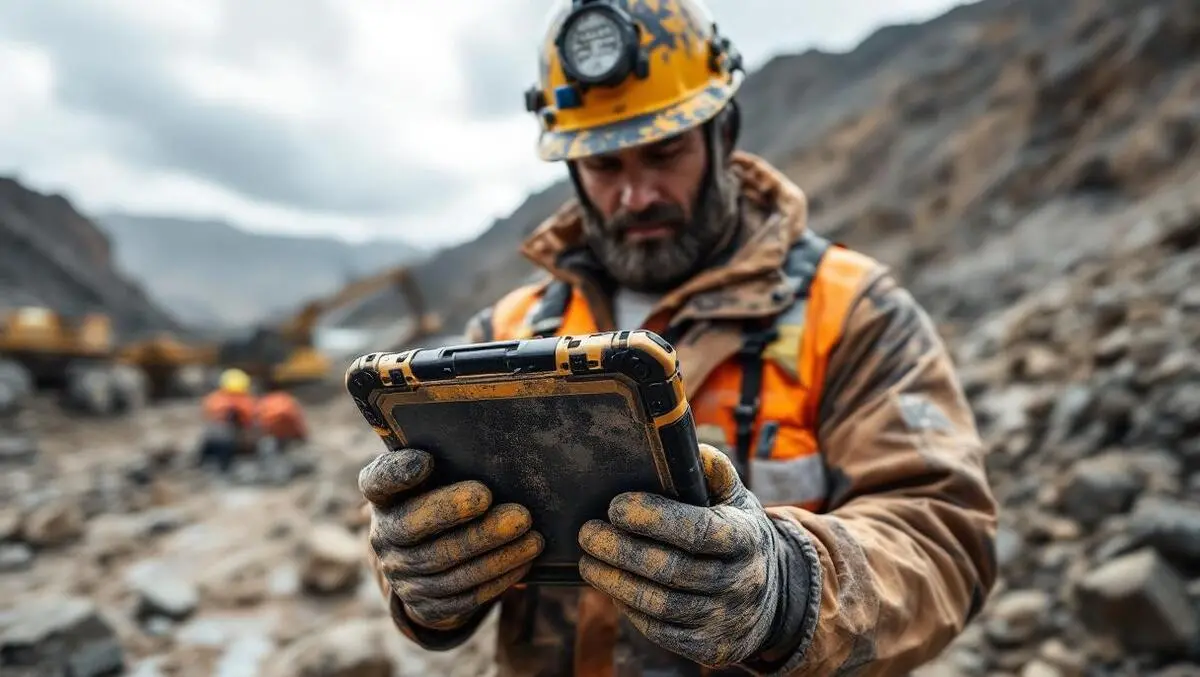
How rugged technology is powering productivity in critical industries
Thu, 17th Jul 2025
From factory floors and field sites to high-risk environments, industrial teams depend on technology to keep operations running. A single device failure can halt repairs, delay shipments, and disrupt critical processes. Rugged devices are helping critical industries to keep operations moving, improving efficiency and lowering costs.
While many organisations still rely on standard consumer-grade devices, this approach often leads to frequent breakdowns, costly replacements, and ongoing disruption for frontline workers. Off-the-shelf technology is not designed to withstand the dust, moisture, vibration, and temperature extremes that are common in industrial settings. When devices fail, teams can lose access to critical data, maintenance teams are left waiting for instructions, and logistics teams struggle to scan shipments or track deliveries.
Rugged devices are a cost-effective investment for businesses operating in demanding conditions. Durable technology lowers total cost of ownership across tablets, mobile devices, and laptops. However, the financial impact includes more than hardware costs. Reliable equipment reduces downtime and helps keep teams working at full capacity while lowering maintenance and operational expenses.
By enabling real-time data capture and processing, rugged devices also help eliminate manual input errors and delays caused by inefficient reporting. For example, a logistics operator tracking time-sensitive shipments can update delivery estimates in real time, while a technician inspecting machinery can log performance data on-site and flag potential issues before they escalate into costly breakdowns. Faster data collection prevents delays, eliminates errors, and lets companies respond quickly when problems arise.
Recent advancements in rugged technology make these devices even more valuable. The latest rugged devices feature built-in 5G connectivity, transmitting data faster and improving real-time decision-making. This keeps teams connected even in remote locations, improving coordination and response times in industrial settings. Internet of Things (IoT) integration strengthens this capability by connecting devices to control systems to provide real-time diagnostics and performance insights. Continuous monitoring helps detect inefficiencies, optimise resource use, and support proactive maintenance. Reducing unexpected failures and downtime improves overall operational efficiency and keeps critical systems running smoothly.
Sustainability is also influencing the shift to rugged technology. More organisations are choosing rugged devices to reduce energy consumption and waste. Rugged technology lasts longer, reduces electronic waste, and decreases the need for frequent replacements, unlike consumer-grade devices. Rugged devices that also include built-in sensors that track energy use lets businesses identify more opportunities to reduce consumption. Features such as modular components make it possible to replace parts like batteries, screens, and storage drives individually instead of discarding entire devices. This not only extends device lifespan but also reduces unnecessary waste and e-waste disposal costs.