

Hypersonix secures NASA slot for debut DART AE flight
Fri, 13th Feb 2026
Hypersonix Launch Systems has secured a NASA launch window for the first flight of its DART AE hypersonic aircraft, scheduled for late February from Wallops Island, Virginia.
The Brisbane-based company is preparing the aircraft for the Cassowary Vex mission at Rocket Lab's Launch Complex 2 at the Mid-Atlantic Regional Spaceport. The launch will fly on a Rocket Lab mission called "That's Not A Knife". Rocket Lab will confirm the exact date and time within 24 hours of the launch window opening.
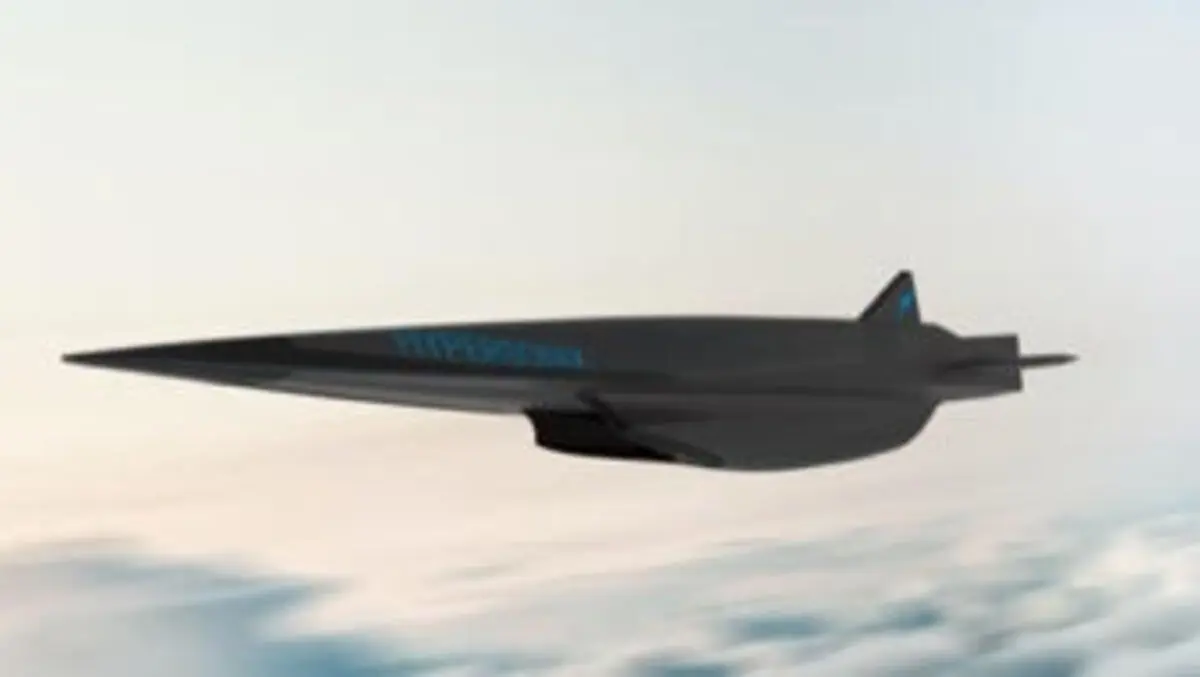
DART AE is a 3.5-metre, scramjet-powered aircraft designed to operate at hypersonic speeds in upper-atmosphere conditions. Hypersonix has positioned the flight as a step towards sustained hypersonic flight outside laboratory settings.
US programme
The mission is part of the US Government's Defence Innovation Unit HyCAT programme, which focuses on hypersonic testing. Hypersonix was the first prototype company selected, chosen from more than 60 applicants.
DART AE is designed to fly at more than seven times the speed of sound. Hypersonix has also outlined a longer-term ambition for aircraft that could significantly reduce long-haul flight times, including intercontinental routes.
Former US ambassador Arthur Sinodinos chairs the company. Former NASA scientist Dr Michael Smart co-founded the business. Hypersonix was founded in 2019.
Hydrogen scramjet
The flight will test Hypersonix's SPARTAN scramjet engine, which it says is 3D-printed and reusable. SPARTAN has no moving parts, according to the company, and is claimed to be capable of reaching Mach 12.
Unlike many scramjet designs that use kerosene, SPARTAN runs on hydrogen. Hypersonix says this produces zero CO2 emissions at the point of use and changes the engine's maintenance profile compared with conventional designs.
The flight is intended to validate propulsion and control approaches in conditions that are difficult to reproduce on the ground. Hypersonix expects to gather data on materials performance, sensors and guidance systems during the mission.
Dr Smart previously served as Chair of Hypersonic Propulsion at the University of Queensland and worked as a NASA research scientist.
He said the mission will enable data collection in real flight conditions.
"DART AE allows us to validate propulsion, materials and control systems at speeds and temperatures that simply can't be replicated on the ground," said Dr Michael Smart, co-founder of Hypersonix Launch Systems.
"What we learn from this mission will directly inform the next generation of operational hypersonic vehicles," Smart said.
Partners and funding
Rocket Lab is providing launch services for the mission from its Virginia complex. It offers a dedicated hypersonic test launch service for government customers and allied nations through its HASTE vehicle. Rocket Lab is listed on the Nasdaq under the ticker RKLB.
Hypersonix chief executive Matt Hill described the upcoming flight as a milestone and pointed to the involvement of partners including DIU, NASA and Rocket Lab.
"This flight reflects years of engineering work and the confidence of our partners at DIU, NASA and Rocket Lab," said Matt Hill, chief executive of Hypersonix Launch Systems.
"It brings us a meaningful step closer to operational hypersonic systems that are reusable, sustainable and strategically relevant for Australia and for our allies," Hill said.
Launch preparations follow Hypersonix's US$46 million Series A funding round. The raise included backing from Australia's National Reconstruction Fund Corporation and Queensland Investment Corporation. High Tor Capital led the round, with Saab and Polish family office RKKVC also participating.
Hypersonix plans to expand manufacturing in Queensland and progress further flight testing. It is also developing a reusable hypersonic platform called VISR (Velos Intelligence, Surveillance and Reconnaissance). The company says it employs more than 50 people in Brisbane across engineering, manufacturing and testing roles.
The Cassowary Vex mission is expected to generate flight data to support subsequent vehicle development and additional tests under US and allied hypersonic programmes.