

JAGGAER roundtable focuses on procurement, inflation, AI
Wed, 25th Mar 2026
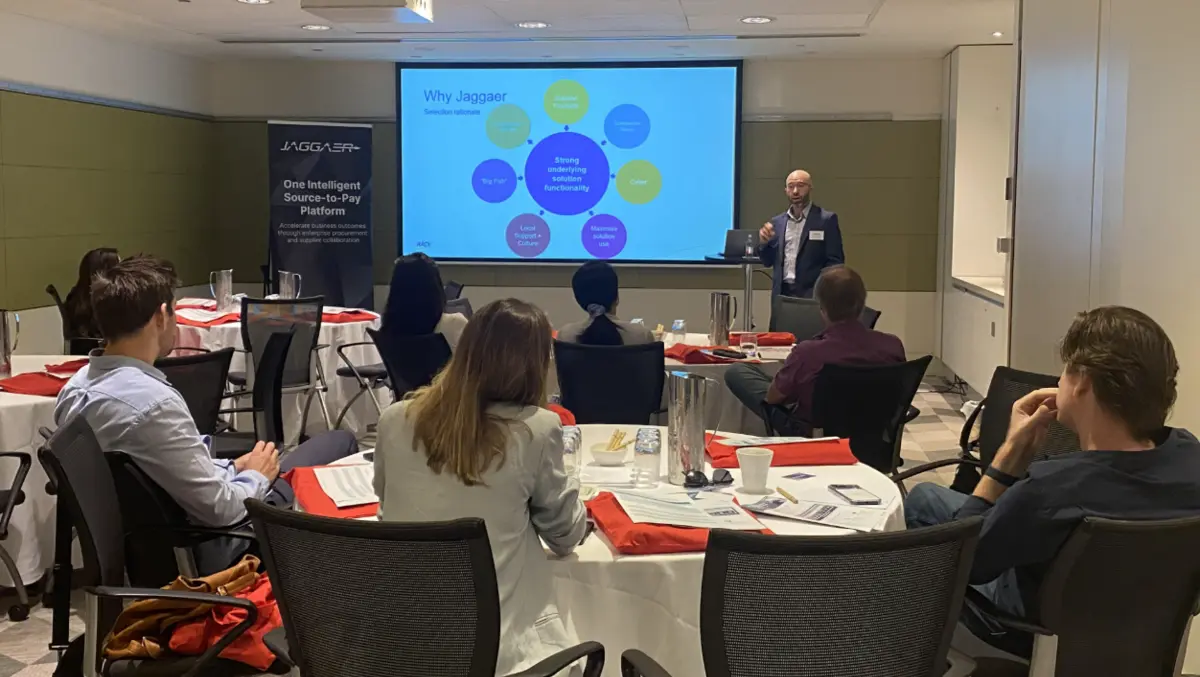
JAGGAER held an executive roundtable in Sydney on procurement strategy, with discussion centred on inflation and cost efficiency.
The closed-door session brought together procurement leaders to examine price volatility, supply chain disruption, and the use of data, artificial intelligence, and automation in sourcing and supplier management. A presentation by Matt Setton, Head of Procurement at RACV, was a central part of the discussion.
Setton outlined lessons from RACV's procurement transformation, including the need to improve data quality before broader system changes can take hold. He also stressed the value of introducing change in phases and aligning internal processes with the deployed technology.
The session reflected a broader shift in procurement as companies face tighter budgets, unstable input costs, and greater scrutiny of supplier networks. In many organisations, procurement has expanded beyond purchasing and contract administration to include risk management, compliance, and spending oversight.
Participants discussed sourcing strategies to address inflationary pressures and unpredictable pricing. They also examined how category intelligence and better supplier information can help teams make faster decisions and reduce manual work.
Another theme was visibility across the supplier lifecycle. Procurement teams are under pressure to understand more about supplier performance, contractual compliance, and operational resilience, particularly when disruptions can quickly affect costs or service delivery.
Environmental, social, and governance considerations also featured in the discussion. Better supplier data can help organisations track whether suppliers meet internal standards and external reporting requirements, while giving procurement teams a clearer view of potential risks.
Artificial intelligence and automation featured heavily, though the emphasis was on practical deployment rather than broad claims. In procurement, these tools are increasingly used to support spend analysis, supplier assessment, workflow approvals, and the identification of irregular purchasing patterns.
That focus reflects a longstanding challenge: procurement departments are often expected to cut costs while working with fragmented systems and incomplete information. Leaders at the Sydney gathering discussed how better data and more consistent processes could help organisations control spending and respond more effectively to market shocks.
Francesco Colavita, Global Vice President, Presales Consulting at JAGGAER, said procurement is changing as companies adopt more digital tools.
"Technology is transforming the role of procurement from a transactional function into a strategic driver of business value," Colavita said. "With the right tools, data and innovative technology in place, procurement teams can reduce maverick spend, unlock savings and act as a value multiplier, while gaining greater supply chain visibility and strengthening governance and transparency across the organisation. This enables procurement to identify savings opportunities faster, manage supplier risk more effectively, and ultimately deliver an effective procurement digital transformation."
Maverick spend refers to purchases made outside approved contracts or purchasing channels. Companies typically try to reduce it because it can weaken negotiating leverage, increase compliance risk, and make total spending harder to track.
Supplier risk has also become a more prominent issue for boards and senior executives in recent years. Disruption linked to inflation, logistics constraints, and broader economic uncertainty has increased the need for clearer supplier oversight, especially in sectors that rely on complex or internationally dispersed supply chains.
While the roundtable was limited in scope, the issues raised are common across large organisations in Australia and elsewhere. Procurement leaders are being asked to deliver savings, maintain resilience, and improve reporting, often at the same time.
Setton's contribution highlighted a recurring lesson from digital transformation programmes: technology alone does not resolve procurement problems if underlying processes and data remain weak. As a result, many organisations are taking a staged approach rather than attempting a single large-scale overhaul.
For software providers such as JAGGAER, these discussions also indicate where market demand is emerging. Buyers are looking for tools that can help standardise procurement activity, improve transparency, and support decision-making in an environment where financial discipline remains under pressure.
The Sydney meeting focused on how procurement teams can respond to these conditions with more structured processes and better use of information, rather than relying solely on short-term cost cutting.