

Kinetic IT warns AI access is a business continuity risk
Mon, 6th Jul 2026
Kinetic IT has warned organisations to treat AI availability as a strategic business risk, pointing to a recent restriction on access to Anthropic's Fable model as an example.
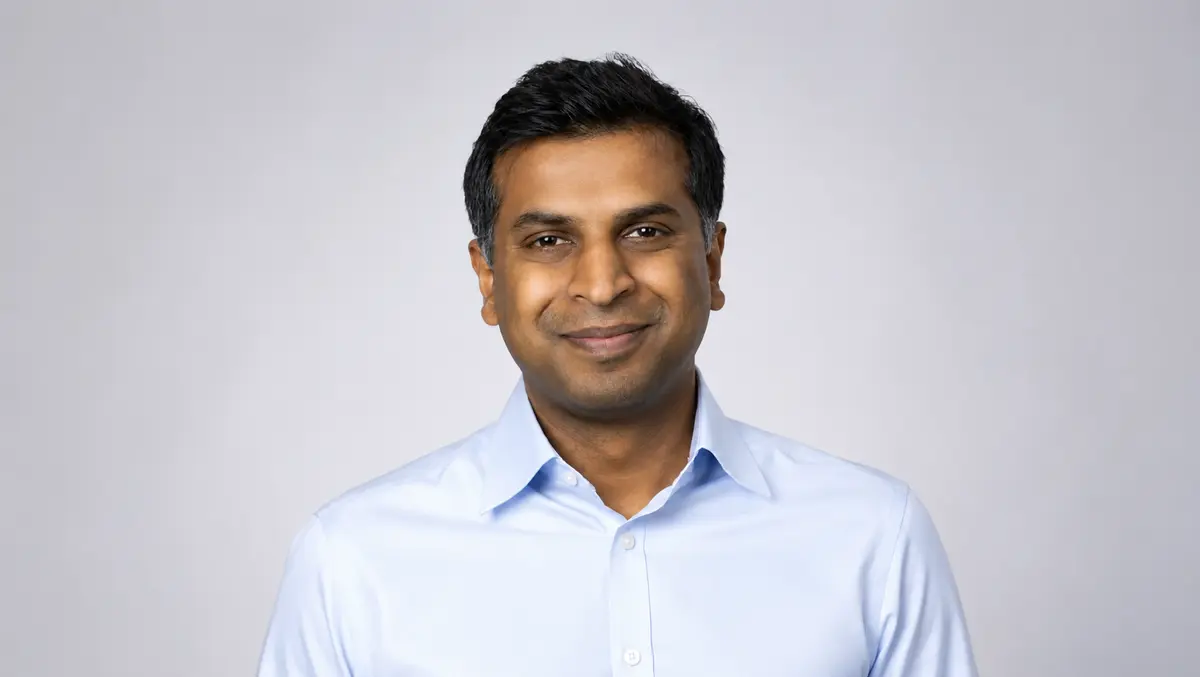
Chief Transformation Officer Kishore Jayaram said the episode showed how quickly access to an AI model can change due to decisions beyond the control of customers and technology providers. For business leaders, he argued, the issue is no longer only where AI is hosted, but who controls access to it.
That shifts AI risk into a broader business continuity discussion. Many organisations already assess supplier exposure, cybersecurity, procurement terms and operational resilience. Jayaram said those same disciplines now need to cover AI systems that are becoming part of core operations.
In his view, the dependency is changing in ways many leadership teams have not fully accounted for. Businesses are no longer relying solely on infrastructure or software suppliers but on services within fast-moving ecosystems shaped by regulation, commercial decisions, and geopolitical events.
Jayaram described the issue as a practical planning exercise for executives and technology teams.
"The model came back, which was a good outcome," said Kishore Jayaram, Chief Transformation Officer at Kinetic IT. "What stayed with me was the discussion it prompted. It reminded organisations that access to an important capability can change because of decisions made somewhere else. As AI moves into production, that's something leadership teams should understand."
He said organisations should test their exposure by asking what would happen if a critical AI service available at the end of one week disappeared at the start of the next. That question can reveal how dependent a business has become on a specific model or provider, whether alternatives exist, and how quickly systems could be changed.
"If a critical AI capability was available on Friday and then suddenly unavailable on Monday morning, what would we do?" Jayaram said. "It's a practical way of understanding how dependent you've become, whether you have alternatives, and how quickly you could adapt if circumstances changed."
Risk planning
The warning comes as more companies move AI tools from experimentation into production systems tied to customer service, internal workflows and operational decision-making. In that environment, even temporary disruption to a model or service can have consequences beyond technology teams, affecting service delivery, compliance and business performance.
Jayaram said AI should now sit in the same planning category as infrastructure outages, supplier changes and regulatory disruption. The point is not that every model will become unavailable, but that the conditions under which models are offered can change as the market develops.
That has implications for technology architecture as well as procurement. Systems built around a single frontier model may be harder to adapt if commercial terms shift or access is restricted. More flexible designs may allow businesses to switch providers or downgrade to a less advanced model for some use cases.
"Frontier AI is still evolving quickly, and the organisations developing these models don't control every variable that can influence availability. Building flexibility into your architecture from the outset makes it much easier to respond as technology, regulation and commercial arrangements continue to evolve," Jayaram said.
Buying choices
The argument also reflects a broader change in how businesses assess AI investments. Technical performance remains important, but Jayaram said companies are increasingly weighing cost, governance, flexibility and the ability to adapt over time when deciding which model or service to adopt.
That could temper the rush towards the most advanced systems for every task. Instead, he said organisations should start with the business outcome they want and then determine the minimum level of AI sophistication needed to achieve it.
Such an approach may help avoid locking a business into a dependency that is expensive or difficult to change later. It could also reduce the operational risk of tying critical services to a narrow part of a market that is still changing rapidly.
"We spend a lot of time talking with customers about minimum viable capability," Jayaram said. "Not every use case needs the most advanced model available. Start with the outcome you're trying to achieve, then ask what's the minimum level of capability needed to achieve it. That usually leads to better architectural decisions, gives organisations more flexibility as the market evolves, and makes it much easier to adapt when circumstances change."
His comments underline a broader concern in enterprise AI adoption: the challenge is no longer just selecting a model that works today, but ensuring the surrounding commercial and regulatory arrangements do not undermine operations tomorrow.
"AI is accelerating the speed at which assumptions can be tested," Jayaram said. "The organisations best placed to take advantage of it over the long term are the ones building flexibility into their architecture, understanding their dependencies, and making decisions that preserve choice as the technology continues to evolve."