

MYOB's Solo app sets culture-first template for products
Wed, 27th May 2026%201.webp)
MYOB has outlined a culture-first model for designing and launching new technology products, using Solo by MYOB as its clearest example.
The software group presented Solo, an all-in-one administration app for sole operators, as the clearest expression of how it now wants to build products. The model brought product, design, technology, marketing and communications teams together under shared goals from the outset.
Solo was built for Australia's 1.6 million sole operators, a market MYOB argued has often been poorly served by digital tools. The target users include tradespeople, creatives, contractors and side-gig founders.
Rather than starting with a list of features, MYOB focused on how those customers work and the pressures they face. Research showed many business owners manage invoices, tax and cash flow late at night and often alone, shaping both the product design and the way the app was positioned.
That led MYOB to frame the problem less as a lack of software and more as a gap in confidence and connection among sole operators. In response, the app was designed to serve as an assistant in a user's pocket rather than simply a compliance tool.
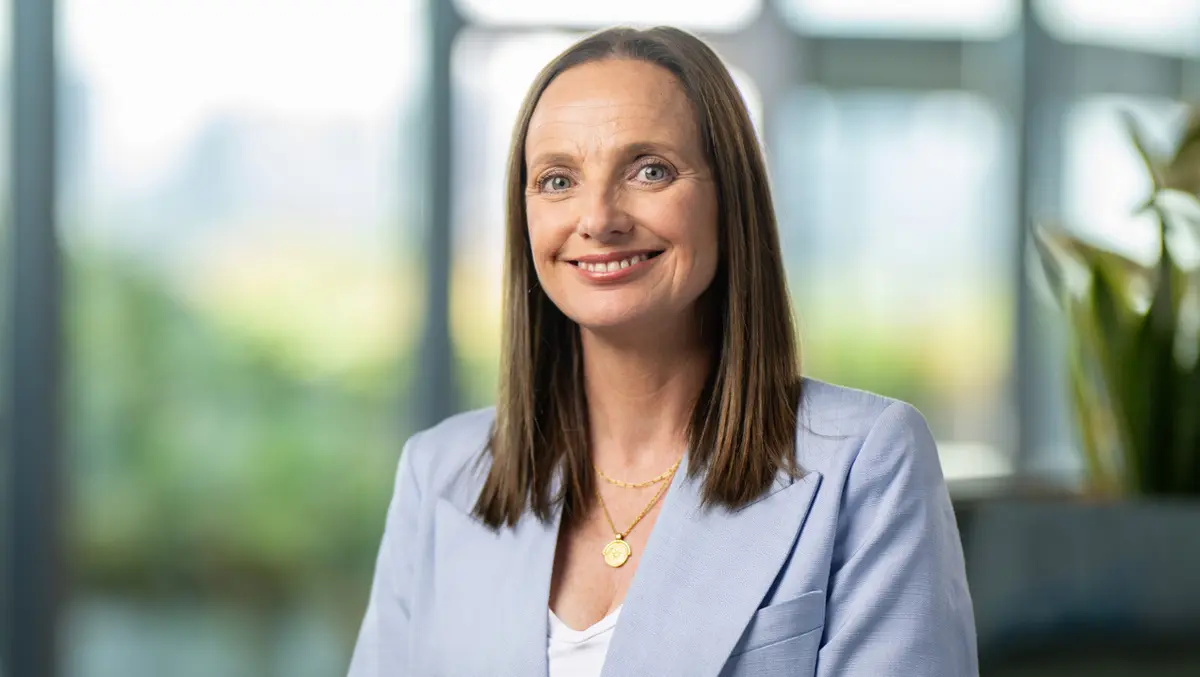
Sally Davies, General Manager of Solo and Embedded Finance at MYOB, said the project has become a broader model for the company.
"As we developed Solo by MYOB, we tapped into a great opportunity to do things differently, deliberately taking a fresh approach to product design and building it hand-in-hand with sole operators so every feature genuinely reflects how they work in the real world. For the first time, we brought product design and cultural insight together, and that fusion created a high-impact program and product outcomes that genuinely resonate with the people we set out to serve," said Davies.
How it worked
MYOB said the integrated team shared responsibility for defining the customer problem, the market positioning and the evidence that the product fitted into the target audience's daily life. It described the structure as a unified squad with one scorecard for success.
Cultural research fed directly into product decisions. One example was the finding that many sole operators complete administration tasks from bed, which informed a mobile-first design, one-handed use, Tap to Pay, connected banking and records prepared for tax reporting requirements.
Those choices were intended to reduce friction for users handling business administration on the move. MYOB linked the design approach to a broader effort to align product development more closely with customers' lived experience.
MYOB reported early operational and commercial results from the launch, noting that initial customers saved an average of 17 hours per month on administration, while subscription growth was about 30% above internal expectations.
Customer feedback described the app as simple, effective and confidence-boosting, according to MYOB. No independent figures were provided alongside those claims.
Wider template
Davies said the Solo project showed what could happen when teams were organised around a clear customer problem rather than separate functions.
"Solo was a great example of what can happen when a team is focused on a clear unmet customer need and empowered to deliver together. As technology continues to evolve, the way we build will too. However, our north star will always be what is going to deliver the best value for the customer," said Davies.
MYOB positioned the process behind Solo as a template for future innovation, suggesting its product design methods may shift further towards integrated teams and cultural research. That matters in a software market where providers compete not only on features and price but also on how closely their products fit the workflow of small business users.
Ben van Rooy, Chief Executive Officer and Founder at Human Digital, commented on the company's approach to product and brand development.
"Market leadership is never permanent. The brands that will win the next decade are the ones that obsess over a specific audience and build from what those customers feel, not just what they need, to ship products and stories that are inseparable," said Ben van Rooy, Chief Executive Officer and Founder, Human Digital.
He also addressed the role of cultural insight in competitive markets.
"Deeply understanding a specific audience and building both product and brand from cultural insight is one of the most powerful levers you can pull in a competitive market," said van Rooy.