

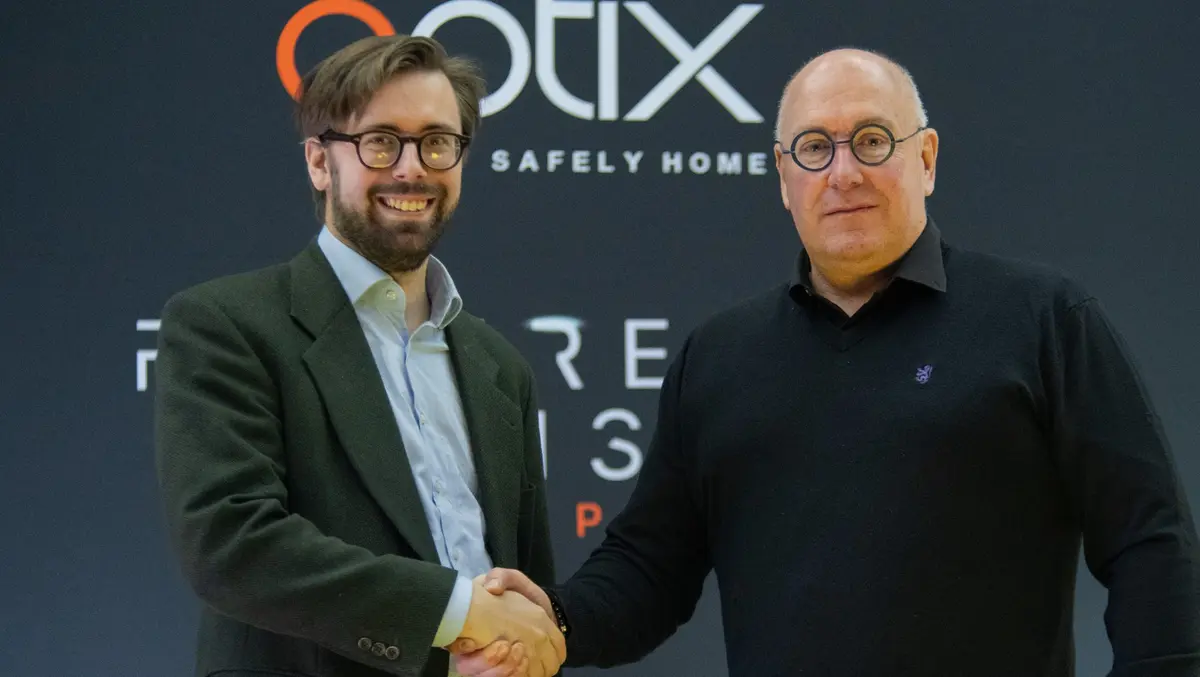
Optix and Smart Eye launch its fleet fatigue system
Wed, 11th Nov 2026 (Today)
Optix has partnered with Smart Eye to offer a driver fatigue management system for commercial fleets, combining in-vehicle monitoring with Optix's human-led intervention service.
The partnership links Smart Eye's AIS driver support system, which monitors signs of drowsiness, distraction and impairment in real time, with Optix's Control Tower operation and predictive analytics. The combined offering is aimed at fleets seeking a single system to detect fatigue events and respond as they happen.
Fatigue remains a persistent issue for transport operators, contributing to up to 20% of road crashes, according to the companies. Many existing fleet tools are limited to sounding an alert when a driver shows signs of drowsiness.
Under the arrangement, Smart Eye provides the camera-based monitoring technology used to identify fatigue-related behaviour in the cab. Optix responds to critical events through its specialist team, which works with fleet operators on immediate action and uses broader data analysis to identify patterns of risk.
Combined Offer
The tie-up brings together two businesses with different positions in the transport technology market. Smart Eye is known for driver monitoring systems used by vehicle manufacturers, while Optix focuses on driver behaviour management and fleet safety services for commercial operators.
Optix said its systems are deployed in more than one million vehicles and that it supports customers in more than 60 countries. It also said more than two million of its devices are installed worldwide. Smart Eye, based in Sweden, counts carmakers and research organisations among its customers and has developed driver monitoring and interior sensing products alongside research and media analytics tools.
Steve Ford, Chief Executive Officer at Optix, said: "Every alert in our Control Tower is a real person, a parent, partner, or friend often far from home and at their most vulnerable. Fatigue isn't a choice; it's a condition that demands real action, not just an automated warning. With Smart Eye's world-class driver monitoring and Optix's round-the-clock intervention, we're delivering more than just alerts, we're giving fleets the power to actually prevent fatigue-related incidents. Together, we make sure drivers, and everyone sharing the road with them, get safely home."
The companies framed the product around four steps: detect, act, predict and prevent. In practice, the system identifies signs of fatigue, flags serious events to Optix's operations team and feeds information into broader risk analysis intended to help operators spot emerging issues before an incident occurs.
Fleet Focus
The commercial fleet market has drawn growing attention from technology providers as operators face pressure to improve safety outcomes, lower insurance costs and manage driver welfare across long-distance and round-the-clock operations. Driver monitoring systems have become more common in that context, though fleet buyers have also had to decide how to respond once alerts are generated.
That response gap is central to the new arrangement. A warning on its own may not resolve the underlying problem or ensure the right intervention, particularly when a driver is already impaired by fatigue, the companies said.
John Finér, Chief Technology Officer at Smart Eye, said: "For more than 25 years, we have developed technology that helps systems understand human behavior. Our AIS driver support system brings that experience to commercial fleets, detecting signs of drowsiness, distraction and impairment in real time. Combining AIS with Optix's human intervention and predictive intelligence gives fleet operators both the information and the operational support to better manage fatigue-related risks."
According to company information, Optix has operated in the fleet safety market for 25 years and said its services have supported more than 240,000 drivers across Africa, the Middle East, Australia, New Zealand and Europe. Smart Eye said it was founded in 1999 and has customers ranging from automotive groups to aerospace and academic institutions.
The agreement gives both companies a route to broaden their reach in commercial transport, with Smart Eye extending further into managed fleet services and Optix adding in-cab monitoring from a supplier already established with major carmakers.