

Secure Code Warrior launches AI adoption model for CISOs
Fri, 26th Jun 2026
Secure Code Warrior has launched the SCW AI Adoption Model for software development teams, a framework aimed at Chief Information Security Officers managing the shift towards more autonomous AI use.
The model outlines three stages of AI use in development: AI-Assisted, AI Native and Agentic. Each stage is tied to different risk levels, developer skill requirements and governance controls as organisations bring AI tools into coding, no-code workflows and other software creation processes.
The framework is intended to help security leaders assess where their organisations sit on the AI adoption curve and decide what training and oversight should follow. It comes as companies face growing pressure to adapt security practices to development environments where AI systems can generate, refine or orchestrate code with less direct human input.
Industry analysts have also pointed to the pace of change. Gartner's 2026 Hype Cycle for Secure Software Engineering said AI-augmented development is expanding the attack surface faster than traditional controls can scale, while increasing the importance of secure coding skills.
Three phases
Under the model, AI-Assisted describes development work in which AI tools support programmers but do not dominate the workflow. AI Native refers to more integrated use of AI across development tasks, while Agentic describes a stage in which autonomous systems take on a broader orchestration role in the development lifecycle.
The structure is designed to help organisations connect AI use with software risk signals and practical governance measures. It is also intended to support the transition from the Software Development Lifecycle to what Secure Code Warrior calls the Agentic Development Lifecycle.
The announcement reflects a broader change in who contributes to software risk inside companies. AI use is no longer confined to specialist engineering teams, with non-developers increasingly using no-code tools and what Secure Code Warrior described as vibe coding approaches to build applications or automate workflows.
That expansion has complicated the task for security teams. Traditional controls, often built around conventional software engineering teams and established review processes, are being tested by faster and more widely distributed forms of software creation.
Governance focus
The framework gives organisations a way to identify their current stage of AI adoption, map relevant training to developers and other users, and put governance controls in place before AI use becomes more autonomous. It could also help security leaders demonstrate returns from governance and training by linking behaviour changes to risk reduction.
Secure Code Warrior argued that training remains central as AI tools become more common in development work. Rather than relying only on technical controls to detect mistakes in AI-generated code, organisations need developers and other software creators who can use these tools safely from the outset, it said.
The argument is also tied to cost as well as security. According to Secure Code Warrior, Gartner has predicted that by 2027 more than 40% of agentic AI projects will be abandoned because of uncontrolled costs and poor risk controls.
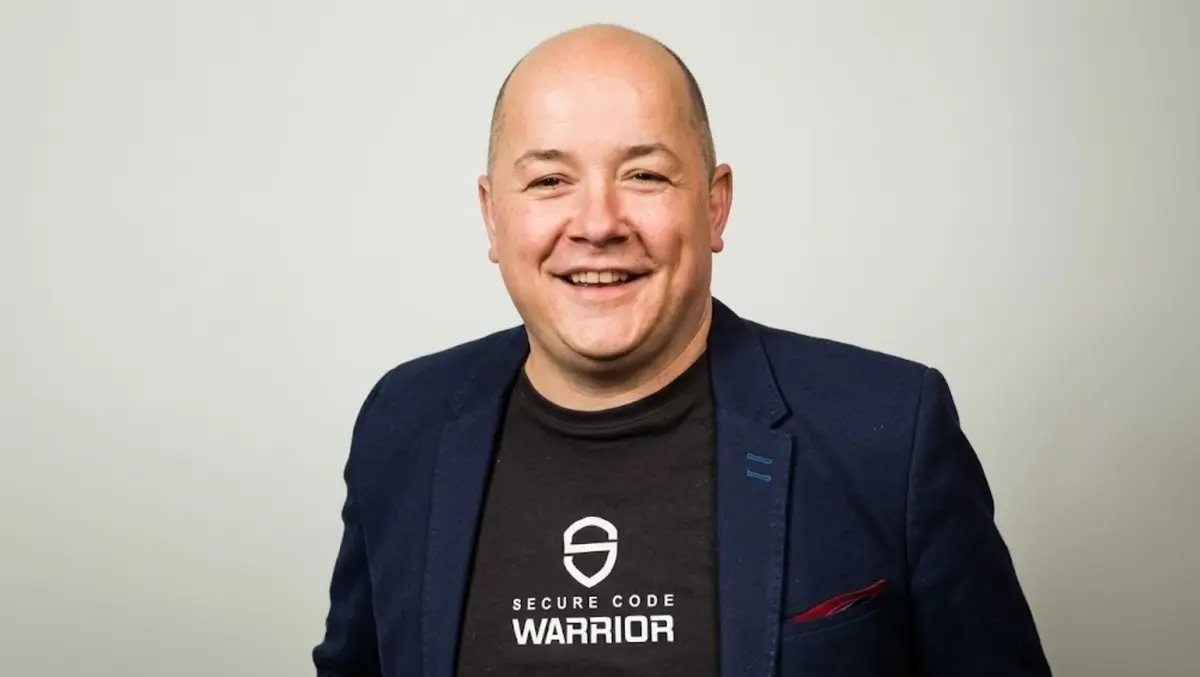
Pieter Danhieux, Co-founder & Chief Executive Officer at Secure Code Warrior, said the rise of AI-assisted development is changing the role of developers and the expectations placed on them.
"In our current AI-powered development, writing lines of code is almost free, but developers are still on the hook for secure outcomes. Their security skills need to evolve from code writer to creator & orchestrator," said Danhieux.
He said the company built the framework in response to a need for governance approaches that match newer development methods.
"CISOs need an approach to ADLC governance that is as modern as the methodology itself, one that follows an adoption model designed for agentic AI's evolving, adaptive approach to software development. We've built this framework to help organizations turn secure AI adoption and AI governance from a reactive exercise into a measurable, scalable discipline," said Danhieux.