

SMEC AI Pathfinder draws 1,500 Australians to build AI
Tue, 20th Oct 2026 (Today)
SMEC AI has closed applications for its latest AI Pathfinder programme after more than 1,500 Australians signed up, making the intake nearly three times larger than any previous cohort.
The eight-week programme is aimed at people with industry experience who want to turn an idea into a working artificial intelligence product. Participants attend eight live online workshops, join weekly office hours, build a minimum viable product, test it with customers and learn how to pitch it.
Run by SMEC AI, the programme is part of an AI Adopt Centre funded by the Australian Government through the Department of Industry, Science and Resources. Across the first four cohorts, 502 people completed the course.
The latest intake brings together founders from health, mining, law, disability services, utilities, property, lending, wealth management, workplace training and retail. SMEC AI says participants are developing products for legal and compliance work, NDIS support coordination, mining services, asset management, career development and other areas.
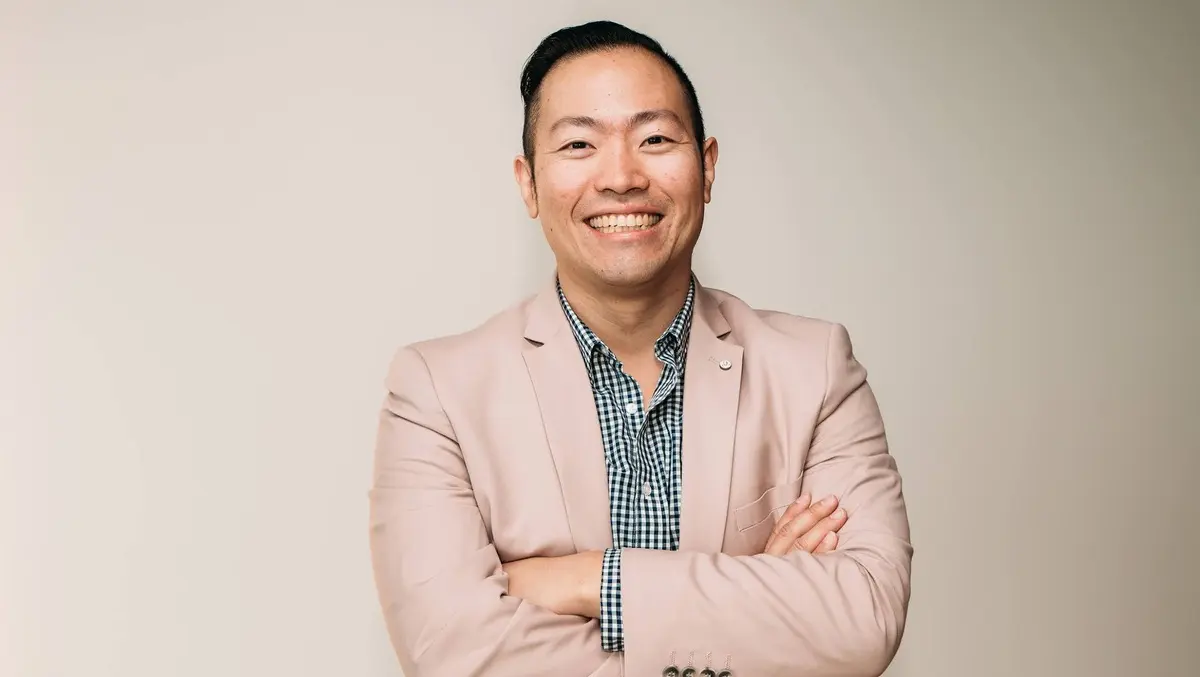
Andrew Lai, Managing Director of SMEC AI, linked the strong response to wider interest in building AI businesses in Australia.
"We set ourselves a target of 1,500 applicants from the very beginning, and we are extremely pleased to have reached it. That is the largest group of AI founders ever brought together in this country. It shows the tremendous interest among Australians in not only adopting AI but in becoming a nation of makers, not takers. You no longer need to be a technologist to start an AI company, you just need to have domain knowledge, and Australia has plenty of that," Lai said.
The programme reflects a broader policy focus on encouraging local AI development, rather than limiting activity to adoption. The debate centres on how Australia can turn sector knowledge in established industries into commercial software products and services.
Industry knowledge
SMEC AI argues that people with deep experience in specific sectors can increasingly use AI tools to solve operational problems without a traditional software background. The Pathfinder model is built around that idea, with structured workshops and product testing over a short period.
"The people who know exactly what's broken in an industry are the ones who've worked in it for twenty years. Give a learning designer, a lawyer or a disability support coordinator the right tools and eight weeks of structure, and they'll build the fix themselves," Lai said.
Accounts from former participants suggest the programme appeals to people making their first move into entrepreneurship. Pamela Frost, who spent 35 years in capability development, went on to found Adapt & Thrive, a career intelligence platform built around an AI agent called Crystal.
"I don't have any coding background. Zero. I struggle to use the mobile phone at times, but I have been able to create code and do all of these amazing things, and it's self-taught, so it's really quite amazing," Frost said.
Another former participant, Yavuz Uragun, worked in automation in the solar industry before founding URauto.ai, which he describes as a no-code platform where AI agents build and deploy business applications.
"It's been extremely valuable in deciding whether I was going to become an entrepreneur or a startup founder," Uragun said.
Government backing
The National AI Centre has described AI Adopt Centres as vehicles to help small and medium-sized businesses move from interest in AI to practical use. The Pathfinder intake offers one example of how that support is being channelled into startup formation as well as business adoption.
Lee Hickin, Executive Director of the National AI Centre, pointed to demand for hands-on programmes among prospective founders.
"We are always excited to see Australian founders come together. Seeing more than 1,500 sign up to this program that supports our national AI capability growth shows the appetite for practical, hands-on support. Programs like AI Pathfinder help people with deep industry knowledge turn it into products that serve Australian businesses," Hickin said.
Lai also framed the intake as evidence that the market for AI company creation is already present. He argued that the commercial value of AI will rest heavily on products built for specific business problems, not only on infrastructure.
"Data centres and computing power matter, but most of the economic value in AI sits in the applications built on top of them. The Australians using AI to solve real problems in their industries and in small businesses are the ones who'll do the most for our economy. More than 1,500 people signing up to build in eight weeks is that argument in practice," Lai said.