Climate change stories
Geospatial technology firm DAS has launched a groundbreaking 3D mapping solution aimed at enhancing visualization of land for rural and regional property markets.
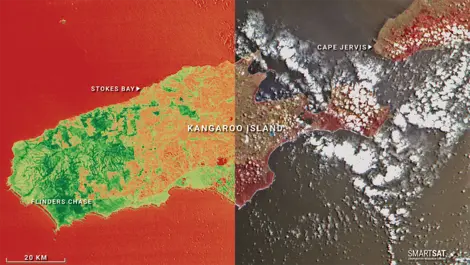
Australia's first state-funded satellite, Kanyini, has successfully captured initial images from space, marking a significant milestone for the nation's space mission.
Umbraco marks 20 years of open-source CMS with its third annual Impact Report, showcasing community engagement and sustainability strides.
NVIDIA's GTC Sustainable Futures Showcase highlighted pioneering AI solutions to combat climate challenges, with firms aiming for greater sustainability and resilience.
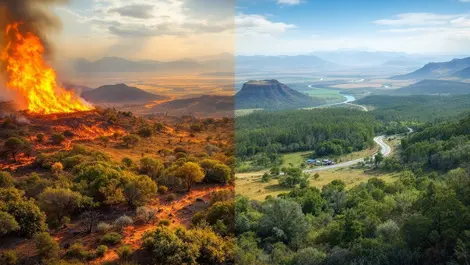
Dryad Networks has launched its first office in Macquarie Park, New South Wales, aiming to combat bushfire challenges in Australia and New Zealand.
NVIDIA has unveiled the Omniverse Blueprint for Earth-2, aiming to revolutionise weather forecasting amid an escalating economic impact of USD $2 trillion from climate events.
Equinix has successfully issued SGD $500 million in green bonds in Singapore, marking a significant move towards sustainability as it supports energy-efficient projects.
Held at Marina Bay Sands in September, the expo is expected to draw thousands of professionals seeking deals, contacts and CPD points.
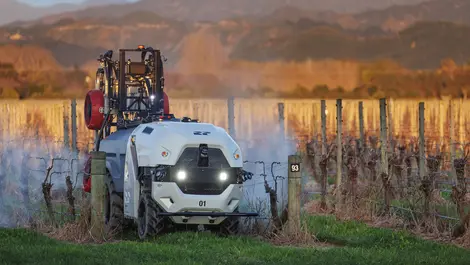
Yamaha Motor has agreed to acquire Robotics Plus, launching Yamaha Agriculture to enhance precision farming with autonomous equipment and AI-driven solutions.
A recent survey reveals that 79% of insurance executives feel a moral duty to address the USD $1.8 trillion global protection gap, viewing it as a key business opportunity.
Western Digital has finalised the separation of its Flash business, marking a major milestone as it sets its sights on future data storage innovations.
Louise Adams has been appointed Group Chief Executive Officer of Aurecon, making history as the first female to hold the position from 1 July 2025.
A report reveals New Zealand enjoyed a rare year of minimal natural disasters in 2024, with insured losses plummeting to nearly zero from AUD $3.6 billion in 2023.
Archroma has installed an innovative Zero Liquid Discharge system at its Mahachai plant in Thailand, aiming to recover up to 95% of wastewater for sustainable reuse.
Nearly half of European firms fear full disclosure of their tech emissions data, citing potential backlash and customer loss, finds Wasabi's 2025 report.
IoT sensors and machine learning can trim cooling demand, helping building operators cut bills and emissions without costly retrofits.
Arup has appointed TC Chew as Managing Director for its APAC operations, aiming to boost growth as the region emerges as a major economic hub.
Rising disaster repair bills are pushing infrastructure providers to weigh resilience upgrades against insurance costs as climate risks grow.
On International Women's Day, the tech industry celebrates women's vital contributions to innovation and digital transformation, championing diversity for future success.
Pexapark has made its foray into the US market by acquiring RenewaFi, a Texas platform that enhances renewable energy pricing intelligence and efficiency.