Cyber resilience stories
The Melbourne provider is seeking to deepen cybersecurity and managed services as it hands day-to-day leadership to a former CyberCX operator.
The hire is intended to strengthen local cyber capability for government and critical infrastructure customers as sovereignty concerns shape buying decisions.
The deal expands 11:11 Systems' reach as Broadcom reshapes VMware partner support and enterprises seek continuity in cloud migrations.
The expansion will add 400 engineering roles as the cybersecurity firm deepens its research, cloud and AI work for global customers.
New UK reporting rules and AI-enabled attacks are leaving critical infrastructure operators with far less time to spot and contain breaches.
Security and compliance worries are slowing AI deployment across EMEA, where 55% of IT leaders say they have already delayed rollouts.
The recognition boosts Datacom's standing across Australia and New Zealand as customers demand stronger cyber resilience, data protection and recovery support.
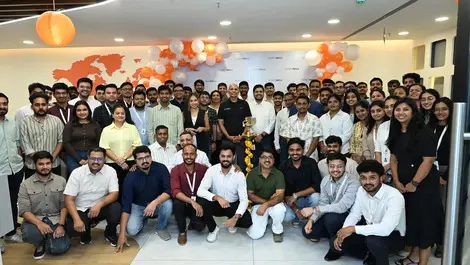
Managed cybersecurity demand in India is driving Eventus to back a smaller group of local partners with training, support and shared delivery.
The hire comes as the company seeks to widen its partner-led sales push across Australia and New Zealand amid rising demand for AI advice.
Many managed service providers are watching backup revenue slip as hidden cloud fees and vendor price changes squeeze storage margins.
The hire underscores Cohesity's push to deepen its channel reach across APJ as customers demand stronger cyber resilience and data security.
The hire strengthens IGEL's push into government and critical industries, as it seeks to turn US defence Zero Trust lessons into commercial endpoint security.
Manufacturers face tighter compliance pressure as the new platform maps vulnerabilities to specific devices, components and SBOMs for quicker remediation.
For Nest, the payoff from a cloud migration has been seamless service for more than 14 million savers and stronger cyber resilience.
Backing from national and international sponsors will help draw more than 1,000 delegates to CyberFest 2026 in the North East this October.
It strengthens the firm's ability to test banks and other regulated groups against realistic attack scenarios that expose response gaps.
Government buyers may find procurement easier, as the VSP One Block storage platform has gained independent security approval valid through 2031.
The first settlement cycle in the new environment processed nearly 2 million FX trades worth more than USD $9 trillion, testing its resilience.
One in 10 households still lacks internet access, underscoring TUANZ's warning that policy resets are slowing New Zealand's digital growth.
Singaporean Android users may soon get real-time warnings as Google DeepMind and GovTech test on-device AI to spot scams without reading chats.