Online Safety stories
Royal Flying Doctor Service revives its Change the Game drive, rallying gamers to help fund vital aeromedical care across remote Queensland.
Young Australians lose over AUD $2.2 million as fake flexible job offers surge, with scammers recruiting money mules via texts and social media.
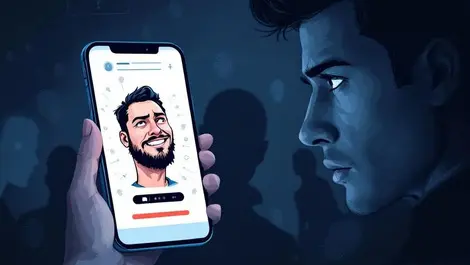
McAfee warns Australians AI-powered romance scams are surging ahead of Valentine's Day, with one in seven victims losing an average AUD $780.
UK urges small firms to 'lock the door' on cyber crime as attacks cost businesses GBP £14.7 billion a year and basic defences lag.
Veriff taps Data Zoo's global data network to bolster multi-layered ID checks and help digital firms fight fast-evolving AI identity fraud.
Fake Olympics shop ads on Meta push fans to cloned sites mimicking Milano Cortina 2026 store to steal card and personal details.
New Zealand tightens health advertising code, curbing influencer endorsements, tougher evidence rules and stricter protections for vulnerable people.
AI-driven romance scams are rife on UK dating apps, with one in five users meeting fake profiles and 11% losing money, new research warns.
As classrooms digitise, SonicWall pushes layered cybersecurity to shield K-12 schools from ransomware, phishing and zero-day threats.
AI-driven romance scams using deepfakes and chatbots surge, tricking Australians into long-term emotional manipulation and costly frauds.
BADIIS malware is hijacking over 1,800 IIS servers worldwide, quietly boosting illicit gambling and crypto phishing sites via poisoned SEO.
Daon warns viral ChatGPT caricature craze is handing fraudsters a richer dossier of personal data to fuel scams and social engineering.
NordVPN will use CrowdStrike threat intelligence to power its Threat Protection Pro tool, bringing enterprise-grade data to consumer security.
Google.org is investing over CAD $1.4 million in Kids Help Phone and Boys & Girls Clubs of Canada to bolster youth online safety programs.
Music fans are warned over a surge in fake ticket scams, with more than 11,000 reports and GBP £11.5 million lost in just 13 months.
Deepfakes fuel mistrust on UK dating apps as users turn to AI companions, with scammers and identity fraud exploiting synthetic profiles.
Nearly one in four people in Ireland now set screen time limits, as a new survey points to rising digital fatigue and detox habits.
Humanix will pitch its human-layer security platform at RSAC 2026's Innovation Sandbox after landing a Top 10 finalist spot and USD $5 million.
AI-driven romance scams now cost UK victims GBP £20.5 million, spreading from dating sites to everyday apps and evading bank checks.
UK romance scam losses top GBP £106m as organised fraudsters exploit Valentine's surge, with average victims losing more than GBP £11,000.