Opinion stories
Australian tech leaders tip 2026 as the year AI hype cools, privacy platforms surge and digital health reshapes everyday care.
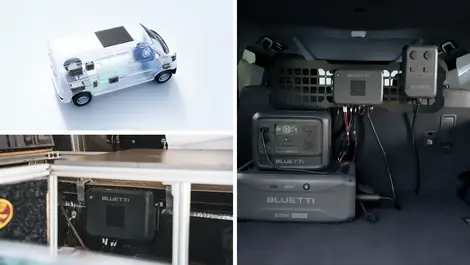
BLUETTI launches Charger 2 at CES 2026, a dual-input car and solar smart hub promising 13× faster off-grid charging for travellers.
To turn digital accessibility talk into action, organisations must embed inclusive design, AI and governance across the product lifecycle.
Data centres can't PR their way out of scrutiny; only clear, consistent brands will rebuild trust in power-hungry infrastructure.
Auto-update turns your firewall into a living defence, slashing patch delays and shutting attackers' favourite door: unpatched systems.
APAC retailers are rapidly adopting Agentic AI to tackle mounting supply-chain volatility and tighten inventory control by 2026.
Clean B2B data boosts marketing, sales and compliance; profiling, validating and standardising records cuts waste and sharpens decisions.
Outdated, inaccurate and duplicate records are crippling data-driven decisions, but simple verification and cleansing tools can reverse the damage.
Mid-market retailers are losing billions to increasingly sophisticated fraud, as outdated defences and lax checks leave gaping security holes.
AI is becoming shipping's co-pilot, reshaping how fleets are designed, built and run as maritime competitiveness enters a new digital era.
TGT Global has promoted Thaddeus Susara to vice president of channel and strategic partnerships to spearhead a new vendor-focused push.
Yubico experts say 2026 will redefine authentication, with post-quantum security, digital ID wallets and AI-driven threats converging.
As payers deploy always-on audits, healthcare must hardwire real-time documentation and coding checks into everyday clinical practice.
AI in 2026 will bring harsher harms and huge gains, forcing business to prioritise governance, greener models and pragmatic industrial uses.
Accurate address data is emerging as a critical, often overlooked weapon in the fight for reliable digital identity verification and fraud control.
APAC firms face a 2026 AI reckoning, forced to turn fragile pilots into robust, edge-ready systems without collapsing legacy IT.
AI-powered loyalty schemes promise a USD $2 trillion revenue windfall in Southeast Asia as retailers race to master personalisation.
New Zealand universities now accept Duolingo English tests from overseas students, reflecting a global shift in language proficiency checks.
A sexual assault survivor says she feels re‑victimised and furious after the Manage My Health hack and US$60,000 ransom demand.
ManageMyHealth says it has fixed code flaws and tightened logins after a hack that may have exposed health documents of up to 7% of users.










.webp)








.webp)