Retail stories
Extreme heat can cut warehouse throughput, disrupt freight and shift shopper demand, forcing Australian businesses to plan ahead now.
Built-in generative, predictive and agentic features aim to cut manual work and sharpen forecasting for more than 1,500 Pronto Xi users.
Australia could miss the productivity gains from artificial intelligence unless small firms get more practical support to use it across their operations.
The Montreal logistics group is overhauling its data governance as it seeks better forecasting, automation and operational visibility across North America.
A survey suggests 21% of UK cardholders do not know what cover their cards include, highlighting a wider checkout protection gap.
Employees in IT and telecoms are most likely to use unapproved AI at work, despite higher awareness of the security and privacy risks, survey data shows.
Seed-backed FARx is ramping up abroad as deepfake and identity-fraud attacks push demand for its biometric authentication tools.
The wholesaler aims to cut duplication and complexity as it shifts to a more centralised system across Europe and Asia.
Retailers could cut setup time for AI shopping tools, as Anthropic's blueprint targets quicker deployment and tighter control over checkout flows.
The launch targets firms struggling to move AI from pilots into production, with a first UK deployment reporting efficiency gains of about 40%.
Online gifting shoppers across six Asia-Pacific markets should see fewer checkout errors as Limitless Technology shifts to one payment provider.
The hire signals Cyara's push to win more enterprise customers in APAC as firms demand tighter oversight of AI customer-service tools.
The new tools could automate up to 80% of service workflows, letting retailers handle orders, returns and refunds without manual handoffs.
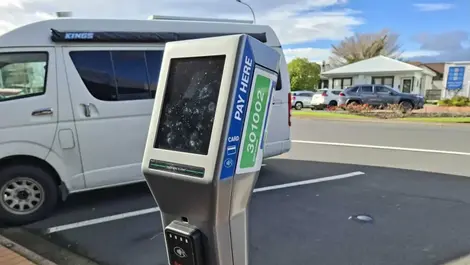
Shops in Rotorua's CBD say sales have fallen sharply since new parking rules began, with some owners now planning to move out.
UK retailers could miss the mark on digital spending, with shoppers valuing reliable basics such as pricing and returns over flashier AI tools.
Travellers could soon find more local experiences and itineraries online as the two firms assess an open network approach for India's tourism sector.
A shared data platform is now helping Sunderland link match preparation, fan engagement and sales, as clubs chase better decisions and growth.
Nine months of closures on Taradale Road have cut takings by up to 40 percent, leaving one Marewa superette owner fearing bankruptcy.
Privacy worries are undermining retailers' AI push, with only one in 10 UK shoppers saying they trust product recommendations, a survey found.
Fraud teams and AI builders can now query linked data in BigQuery without moving it to a separate graph database, Google said.