Scams stories
AI is set to make impersonation scams and account takeovers harder to spot as Australians reported AUD $2.18 billion in scam losses in 2025.
Businesses face greater losses as scammers exploit service desks, remote hiring and real-time payments, leaving less time to spot deception.
Small firms facing rising scam losses can now buy managed protection from AUD $59 a month, with backups and alert support included.
One in ten new merchants saw fraud within 90 days, underscoring why lenders say faster approvals also widen the gap for fabricated applications.
Most suspected scam victims stay silent, leaving banks and police with little chance to intervene and recovery support often absent.
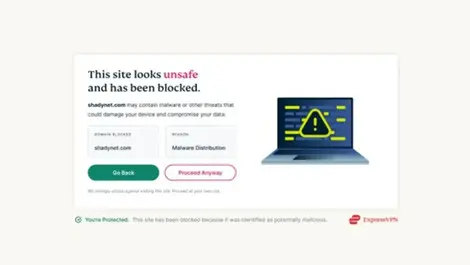
The browser add-on now blocks malicious and phishing pages in real time, even when subscribers are not connected to the VPN.
The appointments preserve senior operator representation at the mobile industry's top table as security, AI and network investment climb the agenda.
Scam detections nearly doubled to 6.4 million as criminals shifted to faster-moving fraud that can evade takedowns and hit consumers directly.
More than 100 students are tackling real-world scam and fraud scenarios as Queensland faces the highest share of Australia's cybercrime reports.
Fraud teams may struggle to spot AI-driven scams and agent-led abuse as Darwinium moves to assess intent across entire digital journeys.
The move gives banks in Australia and across Asia-Pacific local support as Quantifind seeks growth after a USD $200 million investment round.
Operational gaps are undermining banks' fraud defences, with only 41% fully connecting key data despite strong plans to increase AI spending.
Billions still offline and fraud on the rise as the GSMA pushes for 5G returns, cheaper handsets and global 6G standards.
Nearly three-quarters of adults said they could spot a scam, yet 44% of those targeted still engaged, with losses topping NZD $503.5 million.
Payment failures are already costing Hong Kong merchants sales, with every retailer surveyed hit by slow or failed transactions ahead of Singles' Day.
Britons are more likely than peers abroad to spot phishing, but many still fail to flag suspicious messages, leaving scams to spread further.
Research shows digital inclusion must go beyond internet access, as rangatahi say they need skills and a real say in AI safety.
Young jobseekers are being targeted as fake offers rise to ninth place in Virgin Media O2's quarterly scam rankings.
Banks and phone firms face pressure to do more, as 34 per cent of Canadians say they were targeted by a scam in the past year.
Crypto scam losses in Singapore fell 43% as police and Coinbase teamed up to identify more than 720 potential victims and stop S$18.9 million in losses.