

Australian firms warned over AI & cloud cyber risks
Thu, 2nd Apr 2026
Zscaler and Reolink executives warn that the rapid adoption of cloud services and artificial intelligence is reshaping cyber risk for Australian organisations and households. Their comments come as industry attention focuses on World Cloud Security Day and evolving expectations around data protection.
Security leaders describe a gap between the speed of cloud innovation and the maturity of the controls protecting new digital services. They point to experiments with emerging technologies such as agentic AI, along with growing consumer use of cloud-connected home security cameras, as areas where risk exposure is changing quickly.
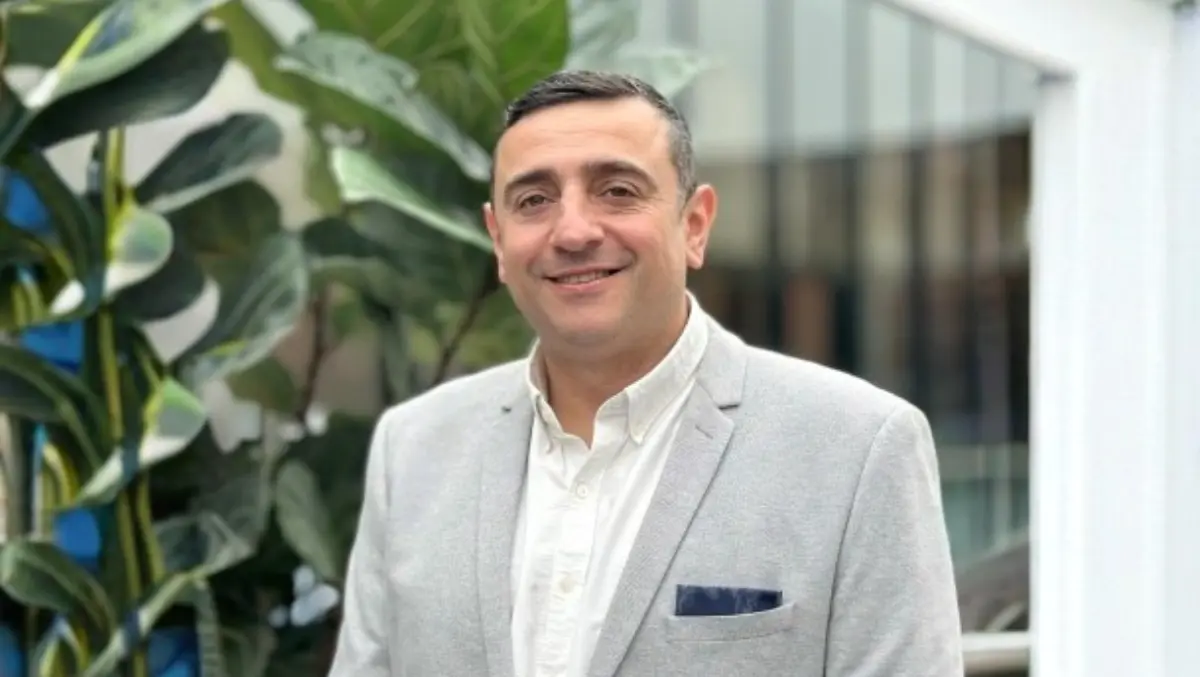
Heng Mok, Head of CISOs in Residence - APJ at Zscaler, said the rise of autonomous AI systems is beginning to influence both attack methods and defence strategies in the cloud. He highlighted how AI-driven automation can accelerate both business workflows and malicious activity.
"World Cloud Security Day serves as a timely reminder that as Australian organisations rapidly scale their cloud environments and experiment with innovations like agentic AI, security guardrails must also keep pace. Agentic AI brings clear advantages through its autonomy and ability to retain context, but those same traits open the door to new risks in the cloud. We're already seeing cyber adversaries use AI-driven systems to probe for weaknesses far faster than traditional tooling can detect, while local businesses adopting AI for automation may inadvertently expose data if comprehensive controls aren't in place," said Mok.
Mok linked those developments to growing interest in Zero Trust security models, under which organisations treat users, devices and applications as untrusted by default, even inside existing network perimeters. The shift places greater emphasis on granular access policies and continuous monitoring over static, perimeter-based controls.
He described AI agents as a new class of high-privilege actor inside corporate systems, requiring the same scrutiny as human administrators or third-party contractors.
"That's why applying Zero Trust principles is essential. AI agents, like any powerful user, need clearly defined access boundaries, segmentation and ongoing behavioural oversight. Techniques such as validator agents and scoped permissions help keep systems resilient and prevent misuse," Mok said.
The comments reflect a broader pattern across Australian enterprises as workloads move into public cloud platforms and AI models are piloted for software development, customer service and internal analytics. Security teams face pressure to maintain compliance, manage data residency and monitor new machine-to-machine interactions that traditional tools may not fully capture.
Mok framed the debate as one of pace and alignment between innovation projects and security design, rather than a technical choice between specific tools.
"On World Cloud Security Day, the message for Australian organisations is simple: innovation must be matched with modern, cloud-ready security that can adapt and operate at the speed of business innovation. With the right guardrails in place, we can safely unlock the benefits of AI while protecting what matters most."
Alongside enterprise concerns, the spread of internet-connected cameras and smart home devices is raising separate questions about how consumer data is stored and managed. Home security vendors face scrutiny over whether footage remains under user control and how cloud platforms handle access, outages and potential breaches.
Nick Nigro, Vice President Sales at Reolink Australasia, said clearer communication with customers about storage choices is now both a competitive issue and a security obligation.
"World Cloud Security Day is a timely reminder that where your data lives matters just as much as how it's protected. This World Cloud Security Day, the home security industry has an opportunity to lift consumer trust by speaking with a more unified, transparent voice about what a secure cloud actually looks like in practice," said Nigro.
Reolink offers both local, on-device storage and cloud-based options across its camera portfolio. Nigro said this dual model supports users who prefer to keep footage on-premise as well as those who prioritise remote access and sharing.
"At Reolink, we've built both local, on-device storage and cloud integration into our home security cameras because we believe consumers deserve control over how and where their footage is kept. For those who choose local storage, data remains in the users' hands, protected from server-side breaches, third-party access and service outages. No subscription required and zero exposure to external vulnerabilities. For those who choose cloud storage, it offers remote accessibility, automatic backups and seamless sharing, making it a valuable layer for many users."
His comments reflect a growing industry view that local storage and cloud services sit on a spectrum rather than as opposing models. Several vendors now market hybrid approaches that combine on-device recording with optional cloud archives for redundancy and access across locations.
"Local storage offers an additional layer of resilience. When footage stays on-device, users maintain direct control - it's a foundation that remains stable even if external factors change."
He said World Cloud Security Day gives providers an opportunity to explain those architectural choices and their risk implications in more practical terms for non-technical customers.
"World Cloud Security Day is a reminder that the answer isn't to position cloud and local avenues as opposites, but rather empower providers to build systems that integrate both, giving consumers genuine control over how and where their data lives. This is our ethos at Reolink: local-first, cloud-optional, where this hybrid approach allows users to enjoy the benefits of both. For businesses operating in the home security sector, World Cloud Security Day is the right moment to have this conversation with your customers and help them understand how to secure their data, especially if choosing cloud storage," Nigro said.