

Australian mid-sized firms absorb cost rises as they grow
Mon, 9th Nov 2026 (Today)
Australian mid-sized businesses are absorbing an average AUD $6,700 a month increase in operating costs while continuing to invest in growth. New research commissioned by MYOB found many still expect revenue and staffing to expand.
The survey of 371 business leaders and decision-makers at companies with 20 to 500 employees and annual revenue of AUD $5 million or more points to stronger sentiment among mid-sized firms than is often seen in the small business sector. More than half of respondents, 56%, expect the Australian economy to improve over the next 12 months, while 10% expect conditions to remain unchanged and a third expect them to worsen.
Confidence is also reflected in expectations for their own businesses. Six in 10 respondents expect revenue to rise over the coming year, compared with 20% who forecast a decline.
That outlook is feeding into employment plans. One in three mid-sized businesses plans to increase full-time headcount over the next year, while 16% expect to reduce staff numbers. More than half, 53%, expect to increase pay over the same period.
Cost pressure
Those plans come against a backdrop of sustained increases in running costs. More than a quarter of respondents, 27%, estimate that operating costs have risen by more than AUD $10,000 a month over the past year.
The pressure appears more acute at the larger end of the mid-market. Among businesses with 200 to 500 employees, 42% said monthly operating costs had risen by more than AUD $10,000 over the same period. Only 1% of respondents said their operating costs had not increased at all.
The higher expenses cited include fuel, energy and insurance, all of which have weighed on operating budgets across many sectors. Even so, the survey suggests many companies are responding with operational changes and targeted spending rather than sharply pulling back on expansion plans.
Almost half of respondents, 46%, are investing in efficiency measures, while 45% are renegotiating with suppliers to manage the costs within their control.
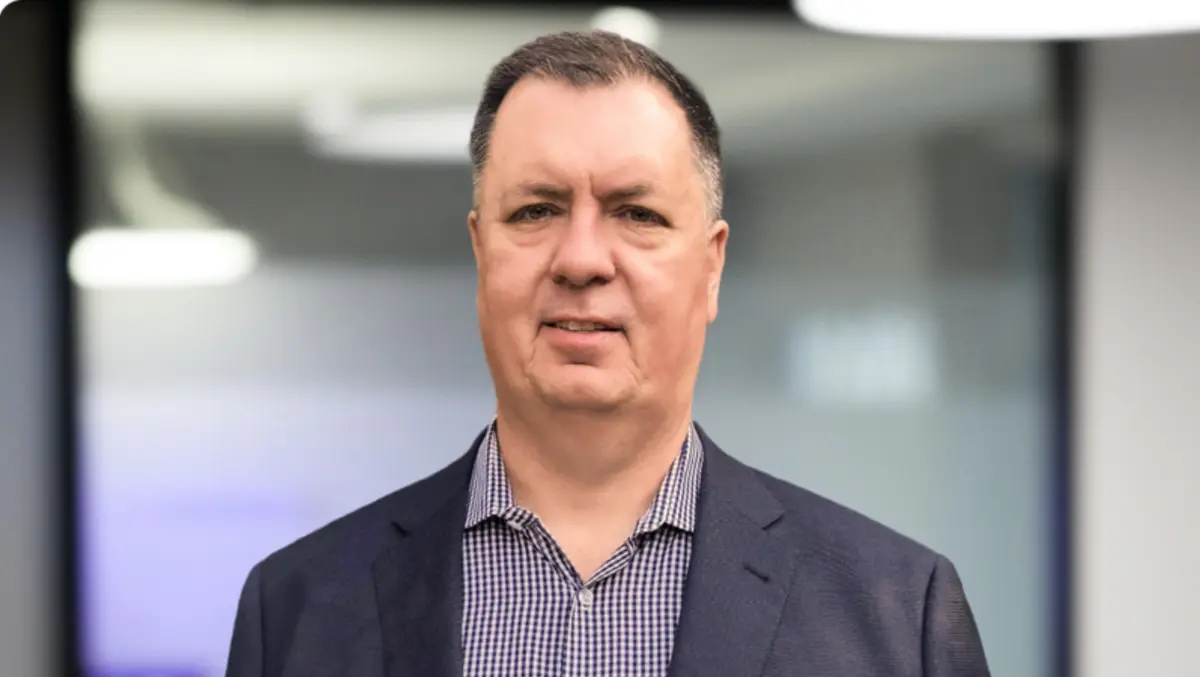
Paul Voges, Executive General Manager - Mid-Market at MYOB, said the responses showed businesses were taking practical steps to manage cost pressures.
"With 46% of those we surveyed investing in efficiency measures and 45% renegotiating with suppliers, we're seeing leaders take practical steps to manage the costs they can influence. These actions won't remove every pressure, but they highlight how businesses are adapting their operations in a more demanding cost environment while keeping improvement and growth firmly on the agenda," Voges said.
Investment plans
Beyond staffing, the data indicates many mid-sized businesses intend to keep spending on internal systems and productive assets. Nearly half of respondents, 49%, expect to increase investment in IT systems and processes over the next 12 months.
Spending intentions extend beyond technology. Some 44% plan to spend more on plant and equipment, while 43% expect to increase expenditure on research and development.
Those figures suggest many firms are trying to improve operations while also preparing for growth in demand. For companies facing rising wage, energy and financing pressures, investment in systems and equipment can also reflect an effort to manage margins and productivity.
Voges said the spending plans pointed to a broader willingness among mid-sized businesses to strengthen their operations.
"Mid-sized businesses have a clear appetite to improve how they operate and build on what they do well. The planned investment in systems, equipment and R&D shows they're looking ahead with a focus on building their capacity to grow.
"For the Australian economy, these investment intentions are an encouraging sign. Investment in these areas can help businesses lift productivity, bring new products and services to market and support longer-term growth," Voges said.