

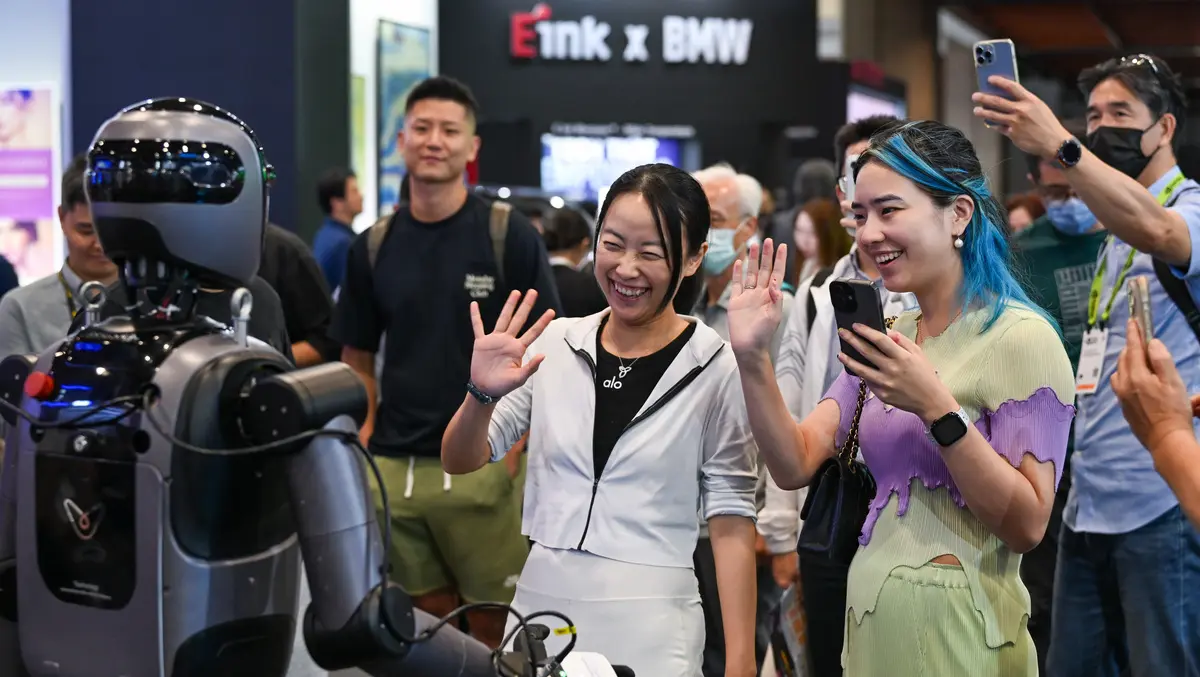
Computex spotlights AI robots as startup turnout grows
Mon, 8th Jun 2026
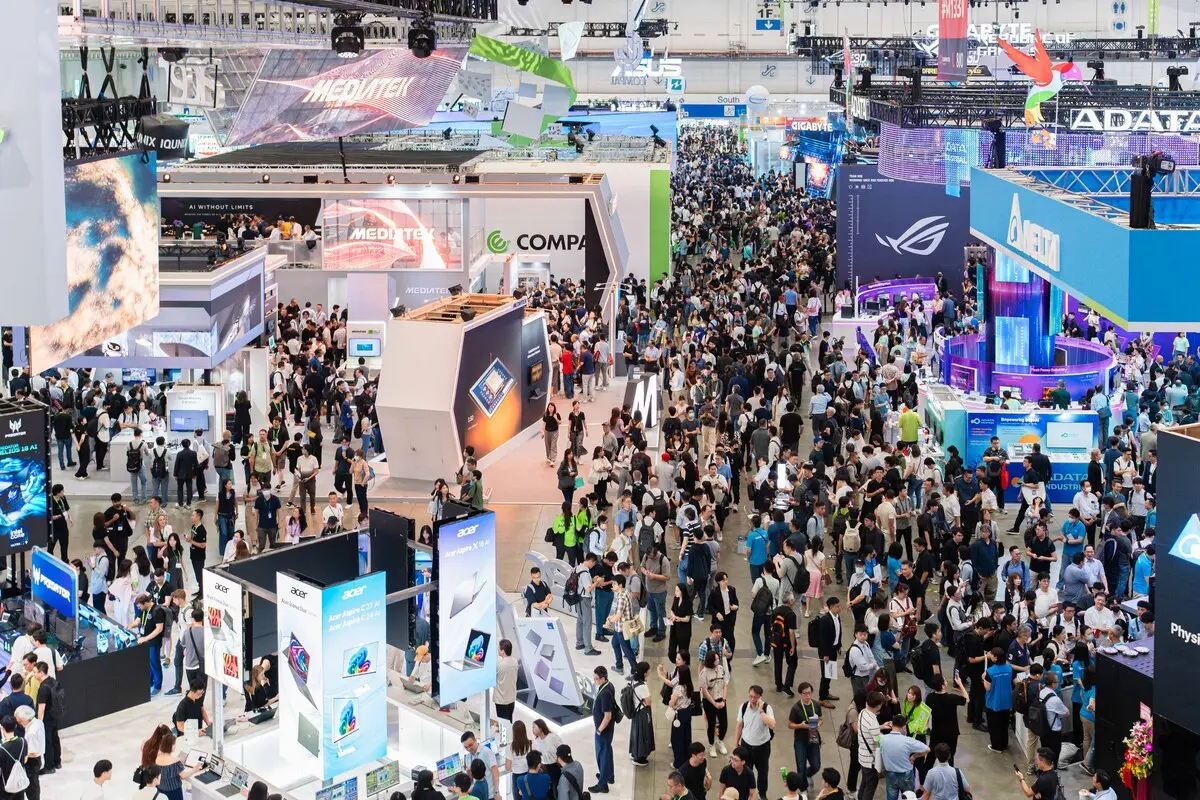
COMPUTEX 2026 closed in Taipei after drawing 111,312 buyers and visitors from 152 countries and regions.
The exhibition focused on artificial intelligence, robotics, intelligent mobility and other next-generation technologies, with strong turnout from Japan, the United States, South Korea, China, Hong Kong, Singapore, Vietnam, India, Thailand and Malaysia.
The event also marked a shift toward what organisers described as physical AI, as companies showcased systems designed for use beyond digital environments in manufacturing, logistics, healthcare and aerospace.
A report by Strategy&, part of PwC, estimated that physical AI could generate about €430 billion in global market value by 2030 and reach broad commercial adoption within three to five years. That forecast shaped much of the discussion about industrial deployment during the show.
Robotics focus
This year's edition returned to TWTC Hall 1 and introduced its first AI Robotics Zone. The new area brought together suppliers and partners from across the value chain to present robotics, embodied AI and related systems for real-world use.
Organisers also expanded the floor plan with an E-paper Pavilion and a TechXperience section, together featuring more than 180 exhibitors.
Alongside the exhibition halls, keynote sessions drew 6,000 attendees. Speakers included Cristiano R. Amon, President and Chief Executive Officer of Qualcomm; Matt Murphy, Chairman and Chief Executive Officer of Marvell; Lip-Bu Tan, Chief Executive Officer of Intel; and Rafael Sotomayor, President and Chief Executive Officer of NXP.
The COMPUTEX Forum added another layer to the programme, bringing together 28 industry leaders and technology experts. It recorded more than 13,200 visits across sessions on AI computing, robotics and data governance.
Discussions ranged from infrastructure and computing platforms to enterprise adoption and governance, reflecting how quickly AI has moved from research interest to operational planning across multiple sectors.
Startup growth
InnoVEX, the startup platform linked to the exhibition, hosted more than 500 startups, up more than 11% from the previous year. Taiwan, Japan and South Korea were the three largest participating markets, while startups from 23 countries took part overall.
The startup section also expanded its international ties through new partnerships with Plug and Play Taiwan and Japanese organiser Everidge. Nine national pavilions took part, representing France, Japan, South Korea, Thailand, Australia, Israel, Canada, Italy and the Czech Republic.
InnoVEX programming focused on practical AI deployment, open-source business models and data transformation. Its pitch contest awarded the grand prize to RLWRLD.
The increased startup presence underscored how exhibitions such as COMPUTEX are positioning themselves not only as product showcases but also as meeting points for investors, founders and larger technology groups seeking commercial partnerships.
Sustainability push
Organisers also placed greater emphasis on sustainability and visitor experience, continuing to apply reduce, reuse and recycle principles with exhibitors as part of a lower-impact exhibition model.
A Sustainable Design Award added two new categories: Flagship Scale and Rising Innovator. ASUS received the first award, while Transcend Information received the second.
Beyond the core technology displays, the exhibition introduced a service lounge developed with China Airlines and GQ, along with relaxation spaces by Red Bull and Sleepy Tofu. A large interactive installation by generative artist Aluan Wang stood at the entrance to Nangang Exhibition Centre Hall 1, where visitors could generate visual patterns displayed on six-metre LED columns.
COMPUTEX has run since 1981 and has grown alongside the information and communications technology sector in Taiwan and globally. It is organised jointly by the Taiwan External Trade Development Council and Taipei Computer Association.
The scale of attendance, the new robotics zone and rising startup participation suggest AI-related industrial applications are becoming a larger part of the event's identity as companies move from model development to commercial deployment.