

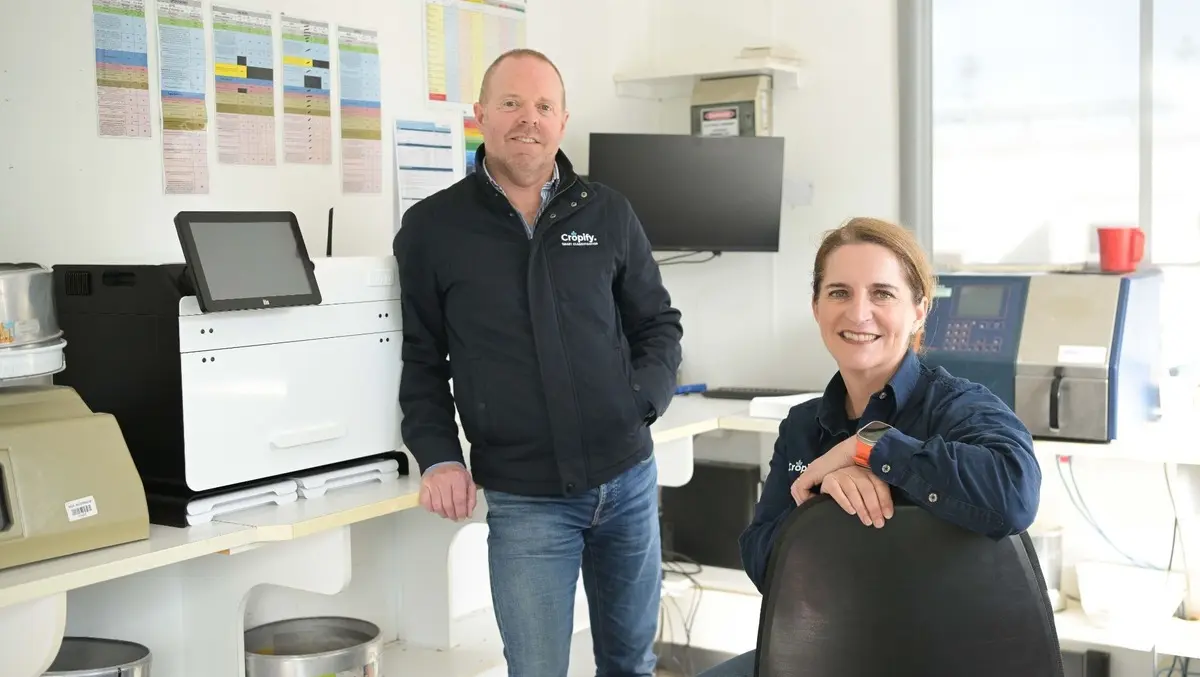
Cropify AI lentil grading to go commercial this harvest
Thu, 20th Aug 2026
Cropify will use artificial intelligence to grade Australian lentils and chickpeas commercially for the first time this harvest. The rollout follows endorsement from Grain Trade Australia's Trading Standards Committee, allowing grain supply chain participants to consider the system for commercial use.
The move marks a shift from a process that has long relied on trained grain graders visually inspecting samples for defects, contamination and quality. Those assessments determine how grain is classified and how much growers are paid for each load.
Cropify, an Adelaide agricultural technology company, uses artificial intelligence and computer vision to assess samples in minutes and create a digital record of each load. The technology is already being used for lentils and chickpeas, with other crops in development.
The committee's endorsement is significant because it gives grain handlers, exporters and other market participants a basis to consider adopting the system in commercial operations. It also comes as the pulse sector faces pressure to process grain quickly during harvest while maintaining consistency in grading decisions.
Cropify completed its first commercial lentil harvest in 2025 with GrainCorp, Louis Dreyfus Company, ETG Wimpak and Shannon Bros. It launched its chickpea grading product this year and expects to deploy up to 25 Opal units during the current harvest.
The expansion suggests the company is moving beyond pilot work into broader operational use. Supporters of the technology say replacing human-only visual checks with automated image-based assessment can reduce variation in grading decisions between sites.
Anna Falkiner, Chief Executive Officer and Co-founder of Cropify, said the industry endorsement could help build confidence in the use of artificial intelligence in grain grading.
"Every truckload of lentils or chickpeas delivered at harvest represents a season's work and a year's income for a grower. The grade it receives determines its value, so sellers need confidence that every assessment is accurate, consistent and objective.
"The GTA Trading Standards Committee's endorsement gives the industry confidence that AI is maturing and is a credible option for grain grading. Grain supply chain participants can consider adopting the technology, delivering the same consistent standard of assessment every single time."
Harvest pressure
Speed is a material issue in pulse receival and export supply chains. During harvest, grain sites must assess incoming truckloads quickly to avoid delays while ensuring grading outcomes are reliable enough to prevent downstream disputes over quality and price.
Export Grading Group Australia, which has an Opal unit at Wimpak, said receival speed and truck turnaround remained central to harvest operations. It also noted the financial and logistical consequences that can follow if grading decisions are wrong.
"Harvest moves incredibly quickly; delivery times and truck turnaround efficiency are as important to us as they are to our grower clients. At the same time, every grading decision needs to be consistent, objective and correct, as mistakes can cause logistical and financial issues in the future. Cropify gives us fast, repeatable assessments that give us and our growers confidence in a fair and objective outcome when it comes to lentil grading," said Todd Krahe, Head of Trading, Export Grading Group Australia.
Wider rollout
Over the past year, Cropify has expanded from South Australia and Victoria into northern New South Wales and Queensland. The geographic spread points to growing interest in automated grading across key pulse-producing regions.
The company has also introduced a real-time quality management dashboard that allows grain businesses to view grading results across multiple sites. Such tools could help operators manage decentralised receival networks, particularly where consistency between locations is commercially important.
Research support from the Grains Research and Development Corporation is helping continue development of the grading system. Cropify is also undertaking a Seed Plus capital raise to fund wider commercial deployment, product development and entry into overseas markets including Canada and the United States.
The broader commercial question for the grains industry is whether artificial intelligence can win trust in a task where human judgement has traditionally carried weight. In pulse markets, where relatively small visual differences can alter grade outcomes and grower returns, any system that promises repeatability will face close scrutiny from traders, handlers and producers.
For now, the immediate test will come in live harvest conditions, where throughput, consistency and acceptance by supply chain participants will determine whether automated grading becomes a routine part of pulse marketing in Australia. Cropify expects to deploy up to 25 Opal units this harvest.