

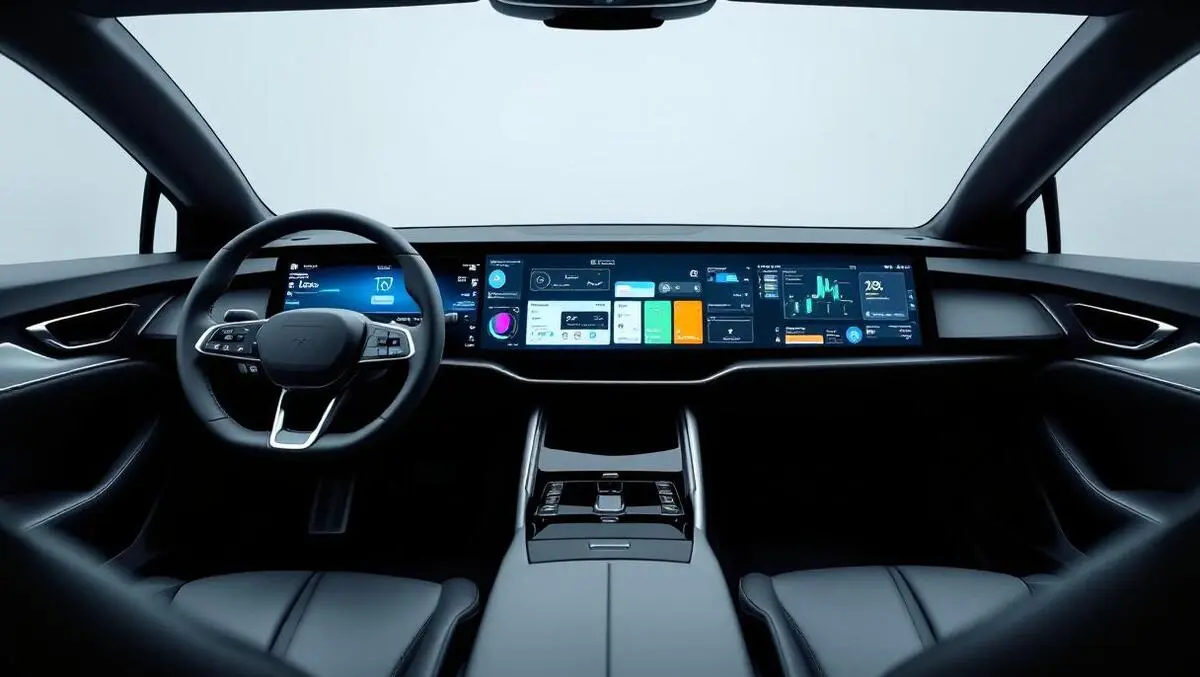
DXC unveils AMBER to speed software-defined vehicles
Fri, 9th Jan 2026
DXC Technology has launched AMBER, a next-generation automotive software platform aimed at reshaping how carmakers develop and update in-vehicle infotainment and digital cockpit systems.
The platform, developed by DXC's automotive software unit DXC Luxoft, targets automakers that are shifting towards software-defined vehicle architectures. DXC said AMBER can adapt to different vehicle platforms and reduce development time for new digital features by around half compared with traditional methods.
The company is demonstrating AMBER at the Consumer Electronics Show in Las Vegas, where it is showcasing AI-enabled cockpit functions and its open software architecture.
DXC positions AMBER as a ready-to-use software base for infotainment, instrument clusters and connectivity functions. The platform combines modular software components with pre-built services. DXC said this structure allows manufacturers to reuse software building blocks across models and programmes instead of rebuilding core functions for each new vehicle.
The company said this standardised approach can remove redundant development effort and deliver cost savings of about 30%. DXC also said AMBER is fully compliant with recognised automotive standards and that it manages security, safety and maintenance within the platform.
Software-defined shiftCarmakers are increasing investment in software as vehicles incorporate more complex electronics, connectivity and digital services. Manufacturers face pressure to shorten development cycles for new digital features while managing rising software integration costs.
DXC said AMBER aims to address that tension. The platform separates application software from underlying hardware. This focus on hardware independence allows carmakers to refresh or change electronic components while retaining core software assets.
DXC said AMBER supports continuous software updates. Automakers can introduce new functions or refinements over time without full system rebuilds. The platform also supports open integration models so vehicle manufacturers retain control over their software roadmap and supplier choices.
The architecture integrates third-party AI tools. DXC said this includes support for AI voice assistants and personalised in-car experiences that respond to driver preferences.
Focus on user experienceAMBER targets the digital cockpit, which covers infotainment screens, instrument clusters and related human-machine interfaces. DXC said the platform supports modern graphical interfaces and interaction models for drivers and passengers.
The company said drivers can expect seamless digital cockpit interactions. These include AI-driven voice control, highly tailored vehicle functions and updated visual layouts. The platform is compatible with both luxury and mass-market vehicles and with motorbikes.
DXC expects carmakers to use AMBER as a base layer. Manufacturers can then add brand-specific features and design, while relying on common software foundations that have already been validated and certified.
Ramnath Venkataraman, President, Consulting and Engineering Services at DXC Technology, said the launch marked a strategic step in the company's automotive software work.
Cost and time pressures“AMBER is a gamechanger for the automotive industry. AMBER gives our customers the freedom to focus on brand differentiation and rapid time-to-market while reducing complexity and maximising value. We are creating a foundation that makes software integration predictable, scalable, and future-ready - leading the software-defined vehicle revolution.” said Venkataraman.
Automakers are under pressure to cut expenditure on bespoke in-house software while still meeting rising consumer expectations for connected and personalised services. DXC said AMBER reduces the cost and time of integrating multiple software suppliers and electronic control units inside a vehicle.
Instead of commissioning ground-up development for each new model, carmakers can draw on AMBER's existing modules for core functions. DXC said this approach can speed up the introduction of new services, such as updated infotainment features or new connectivity options, often within shorter programme timelines.
The company said AMBER's compliance with automotive standards and regulations allows development teams to redirect more effort towards differentiating features rather than baseline safety and security tasks. DXC manages ongoing maintenance and updates for the platform itself.
DXC's automotive footprintDXC has worked with global vehicle manufacturers on software and technology integration for several years. The company said it is an automotive partner to eight of the world's ten largest vehicle makers.
DXC said software from DXC Luxoft runs in more than 50 million vehicles worldwide. Its technology supports production programmes for brands including Mercedes-Benz AG, Ferrari and Volkswagen Group software unit CARIAD.
According to DXC, DXC Luxoft software is present in manufacturing lines that build a vehicle every three seconds. The company expects AMBER to extend its role in large-scale automotive software projects as the industry shifts further towards software-defined vehicle platforms.
DXC is presenting live demonstrations of AMBER at CES, where automakers and technology suppliers are showcasing new approaches to digital cockpits, connectivity and AI in vehicles. The company said it will work with existing and new automotive partners on deployments of the platform following the event.