

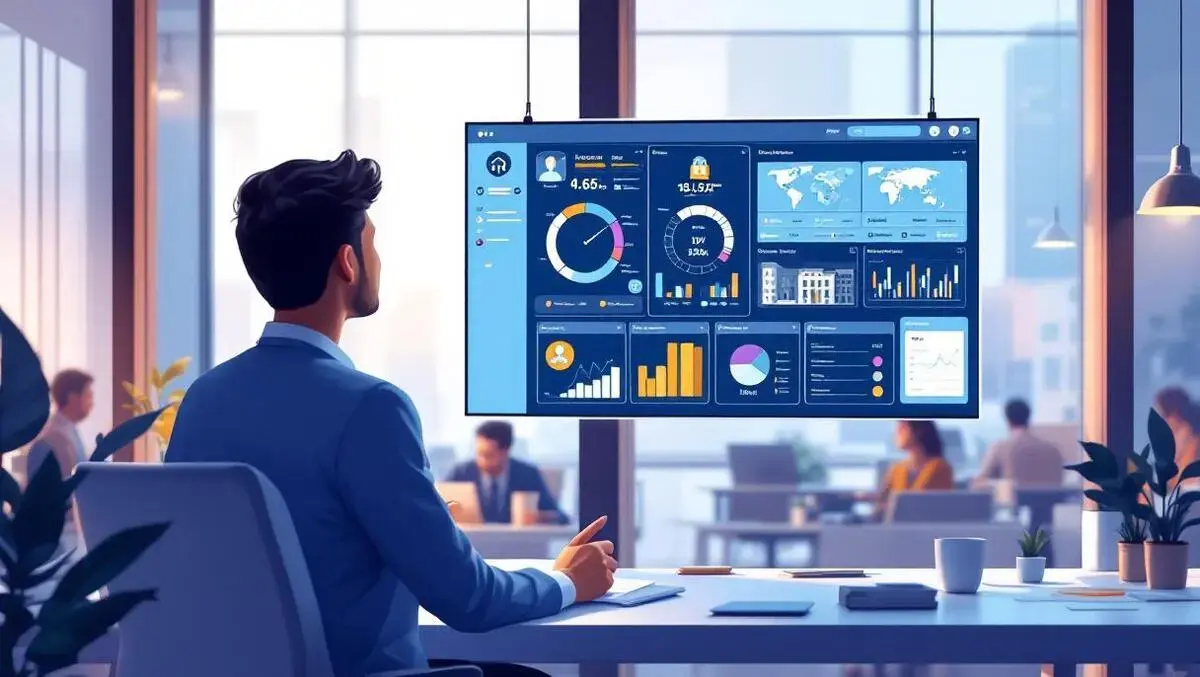
Eptura adds AI tools & real-time workplace analytics
Thu, 30th Apr 2026
Eptura has introduced new platform features for workplace experience, asset management and space planning, aimed at giving facility teams a single view of data across spaces, assets and operations.
The update centres on real-time analytics, AI-based assistants and a shared data layer linking workplace and facilities information. The aim is to reduce fragmentation for organisations managing workplace and operational processes across multiple software tools.
New additions include live analytics for desk and meeting room use, occupancy patterns and booking activity. Eptura has also added what it calls a Unified Space Layer, designed to bring location, space and floor plan data into one shared foundation for workplace and asset teams.
Another element focuses on compliance and maintenance. Compliance intelligence is intended to map changing regulatory standards to maintenance plans, while new maintenance functions use sensor data and service records to generate alerts and work orders for vehicle fleets.
AI features
Eptura is also previewing AI assistants that can be used through Microsoft Copilot. The tools are intended to help employees plan office attendance and workspace bookings, support maintenance teams with task prioritisation and assignment, and allow workplace strategists to examine portfolio and space scenarios through natural language prompts.
The AI tools are being built into day-to-day workflows rather than added as separate systems. Eptura also plans to centralise access to its applications through Eptura Home and Unified Authentication, providing a single entry point for platform access and permissions management.
The announcement includes broader integrations with other software used by large organisations. ServiceNow ticketing will be connected to the same interface employees use to book space, while Microsoft integration will allow customers to use Eptura as the main system of record for locations and floor plans.
Data lake and ERP connectors are also part of the update. These links are designed to let customers move Eptura data into their own business intelligence environments and use it in planning and procurement decisions.
Operational link
Eptura framed the launch as a response to disconnected workplace systems, citing its Workplace Index research, which found that organisations manage workplace and operational processes across an average of 17 different tools.
According to the company, that fragmentation can limit visibility and slow operational response when office use, visitor flows or maintenance needs change. The product updates are intended to help managers react to current conditions while using the same data for longer-term planning.
Additional updates cover desk allocation, visitor handling, mailroom work and HR data integration. A feature called Neighbourhoods will assign employees to desks within office zones, while visitor space assignment is intended to connect guests directly to workspaces on arrival.
Eptura has also released a redesigned mobile app for corporate mailrooms and package delivery. The app includes an option to add a photo when checking in or delivering an item.
In space planning, HR and location data integration is intended to help keep locations, teams and booking rules aligned for organisations using Serraview for planning and Eptura Engage for employee experience. Warranty tracking has also been added so teams can record and assess cover across assets and component parts.
Raj Batra, chief executive officer of Eptura, said the company sees a single management layer as essential. "Work spans people, places, and the assets that support them, and managing that complexity requires a single point of control," he said. "Eptura is designed to bring those interactions together, using AI to simplify how employees engage with the built environment while giving the business clearer insight into utilization, performance, and operational risk."
The features will be introduced in phases through to mid-2026. "Most organizations capture workplace data, but very few can act on it as conditions change," said Swanson. "These updates are about closing that gap by connecting employee and visitor interactions directly into operational workflows so teams can respond faster today and make better planning decisions over time."