

Exclusive: Adobe ANZ chief on AI adoption trends
Thu, 23rd Apr 2026
Adobe's regional chief says artificial intelligence is moving from experimentation to production across Australia and New Zealand, as organisations balance regulatory caution with faster deployment in customer experience and content workflows.
Adoption pace
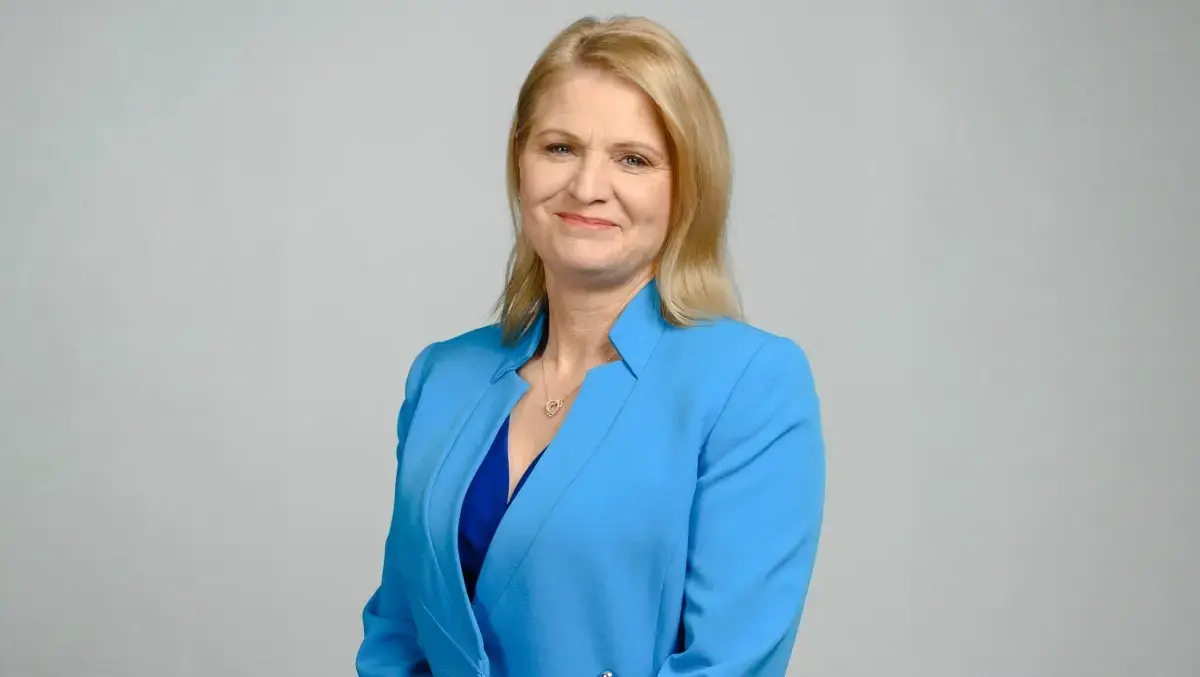
"Look, I think Australia and New Zealand are always really interesting for a couple of reasons. First, digitally mature, willing to try stuff. Often are happy to be on the edge, and what's often the most fun is because we don't have the sort of humongous organisations in the scale that other markets do, sometimes we can do something, get it up and running fast," said Katrina Troughton, Vice President and Managing Director, Australia and New Zealand, Adobe.
"I think when it comes to AI in particular, in adoption, there's a bit of a range. Generally, it sounds like we're a little bit behind, but that probably relates to the fact that, especially in our business, with a lot of customers who live in regulated industries such as banking, finance and government, they are thoughtful and test a lot before they implement," she said.
"Otherwise, we're starting to see some really good examples of where people have tried and have been using AI. We've absolutely seen customers expand what they're doing and start using AI assistants and tools built into the tools, and that has got a lot of momentum," she added.
Customer use
"No, absolutely. There's a lot of variation, but do we have customers who at scale are doing things like using APIs in Photoshop to automate and provide completely different timelines for their ability to present to customers? Absolutely," she said.
"When you look at scale and the way customers are working, they're not pilots, they're in use. One of the earliest areas we saw both disruption and usage was in agency content creation, how we can automate and resize and use AI to change the process of creating content at scale," she added.
"We went through a time where there was concern about what would happen to jobs if everything changes that much. We've certainly seen that for a number of our customers, the amount of content they now need to create as they want to specialise more and personalise more is going through the roof. That productivity uplift has been absolutely vital," she said.
Partner role
"We have two ways we think of working with our partners. In our creative business, we've got a strong heritage set of partners that continue to do very well. In our experience cloud, we generally work with partners but always have a direct relationship with the customer alongside the partner," she said.
"We've seen strong partner health in the last 12 to 18 months, with growth in their practices and some good hiring. We haven't done a major project or customer engagement without one of the biggest or specialised local partners involved. They're a big part of our business," she added.
"They sit more on implementation and business change. Much of what we're doing involves profound change to teams, including how they are structured and how work is divided. That makes change management critical, alongside defining the broader business outcome," she said.
Skills pipeline
"TAFE in New South Wales is such an important part of our social structure, over 400,000 students a year, and 70% come from disadvantaged, minority or non-English speaking backgrounds. A lot of it is about how we help people become productive and get a job," she said.
"The passion of the teachers and the people working at TAFE is that it is all about people and helping them. It is literally changing their lives, from not having a job to being on a path to get one," she added.
"We need more security operators and specialists, and not all of them need to be PhDs. You need the balance, and that's where TAFE has such an important part in that ecosystem. The partnerships they've got with vendors and industry are super important," she said.
Strategic shift
"I'm not sure I've had two customers the same. Some have chief AI officers, but in some of our biggest clients it has been the board and senior executives who are interested to learn," she said.
"Three things matter a lot to customers at the moment. They are thinking about where their next area of growth comes from, customer acquisition and customer experience, and how their brand is showing up. These are strategic issues for CEOs," she added.
"Then, of course, cost reduction and productivity. We have some tough economic conditions. That's the tightrope customers are walking. How are we going to turn up, are customer behaviours changing, and what's going to happen to the way customers buy?" she said.
"You still need the quality. All of these are the tightropes that are being walked. So yes, we see AI offices, yes we see various different forms, and increasingly CEOs are involved because this is really important to them," she said.