


Gen Z staff embrace regular feedback to drive growth at work
Fri, 9th Jan 2026
Gen Z employees show a strong appetite for regular, constructive feedback at work, challenging perceptions that younger workers are overly sensitive to criticism, according to new workplace research shared by flexible workspace provider Instant Offices.
The company said Gen Z will account for around 30% of the global workforce by 2030. Debate about the generation's attitudes at work has intensified as employers adapt management styles for younger staff.
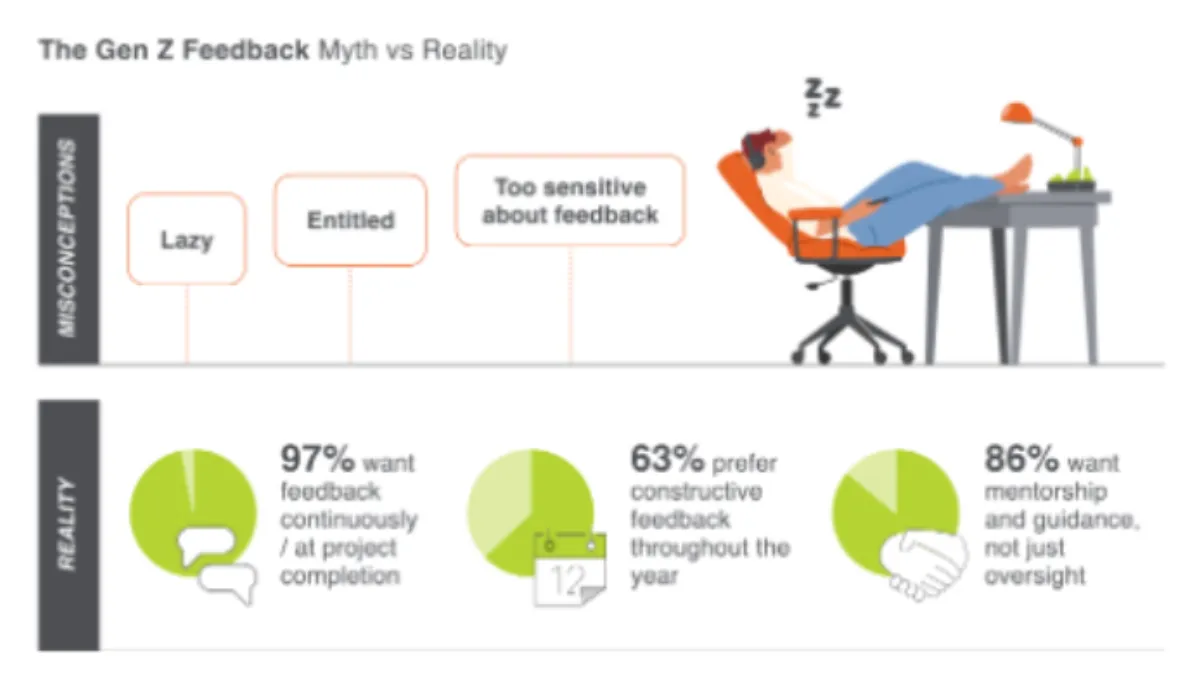
Survey findings cited by Instant Offices indicate that 97% of Gen Z workers are open to receiving feedback on an ongoing basis or after completing major tasks or projects. Within that group, 63% prefer timely, constructive feedback delivered throughout the year rather than in isolated annual reviews.
Ben Wright, Global Head of Partnerships at Instant Offices, said feedback now sits at the centre of how many younger staff members think about progression and learning.
"Research has shown that Gen Z workers are not afraid to make mistakes and learn from them. 97% of Gen Z are receptive to receiving feedback on an ongoing basis or after completing a large project or task. Meanwhile, 63% say they prefer to receive timely constructive feedback throughout the year.
Feedback and guidance are clearly important to Gen Z employees. Deloitte reports that 86% of these younger workers want managers to provide mentorship and inspiration, not just oversight of daily tasks.
Gen Z workers say they find these tools most helpful for career growth:
On-the-job learning & practical experience: 89%
Mentorship & guidance from experienced colleagues: 86%
Peer learning & collaboration: 84%
Feedback & performance reviews: 82%
Formal training programmes: 81%
This turns the narrative that "Gen Z can't cope with feedback" on its head. Young workers are obviously hungry for guidance, provided it's delivered in the right way," said Wright.
The data suggests that Gen Z places a premium on practical development. On-the-job learning ranks highest, followed closely by access to mentors and peer collaboration. Formal training still matters, but it sits marginally behind more interactive and personalised forms of development.
Feedback culture
Instant Offices said younger staff typically seek out guidance that is specific, actionable and rooted in real work examples. Wright set out a series of recommendations for employees who want to use feedback as a lever for advancement.
"To stand out as a Gen Z worker in a highly competitive job market, here's how to develop your strengths and close gaps using feedback.
Adopt a growth mindset:
Adopting a growth mindset begins with staying curious and approaching feedback with a genuine desire to learn, focusing on the process rather than solely on the outcomes.
Seek regular feedback from the right people:
Ask for feedback from people who can offer insights relevant to your goals, be specific about the areas you want to focus on and establish a regular feedback routine to help you track your progress.
Turn feedback into action:
Look for patterns in the feedback you receive to identify specific areas for improvement, set SMART goals to turn that feedback into clear objectives, and document your progress so you can see your growth over time.
The guidance frames feedback as a structured part of career management rather than an occasional event. It also reflects an emphasis on measurable goals and visible progress that many employers now embed into performance systems.
Manager expectations
Instant Offices said Gen Z's expectations of managers go beyond task allocation. Deloitte data referenced by the firm indicates that 86% of younger workers want mentorship and inspiration from their managers, as well as oversight of day‑to‑day work.
Wright outlined several practices that managers can adopt when working with younger staff. He highlighted the influence of digital communication and shorter feedback cycles on Gen Z expectations.
"Gen Z grew up in a digitally dominated world, and this means they value real-time feedback and high engagement. Provide regular, ongoing feedback so employees know how they're performing as they go. More regular (weekly or even daily) check-ins reduce stress and encourage continuous improvement.
Rather than formal review sessions, consider using digital tools to provide real-time feedback and comments. This creates a sense of support and collaboration. When you do have a more formal review session, be sure to promote a two-way conversation. Encourage employee feedback by asking questions like "What tasks have you found exciting or challenging?" and "How can I help you reach your career/learning goals?"
Gen Z values authenticity and connection. They want to be seen as whole people, with attention paid to how they are feeling and evolving, not just what they are accomplishing. Managers need to show genuine care during reviews. It's helpful to give feedback that connects your employee's work to the larger impact on the company. This can deepen an employee's sense of purpose and connection to their coworkers.
Be specific with your feedback and provide clear, actionable steps (e.g. if you're giving feedback on a recent presentation, show your employee an example of a previous successful presentation that set the standard). This provides a clear roadmap for improvement and removes guesswork and self-doubt," said Wright.
Wright said the quality of feedback matters as much as its frequency. He pointed to a need for clarity, real-world examples and a focus on how work contributes to wider business goals.
The comments come as many organisations redesign performance reviews and reconsider annual appraisal cycles in favour of shorter, more regular check-ins, often supported by digital tools and collaborative platforms.
"Giving and receiving feedback correctly takes integrity and high emotional intelligence. When employees and managers work together to turn feedback into action and growth, it creates a more productive and positive workplace," said Wright.