

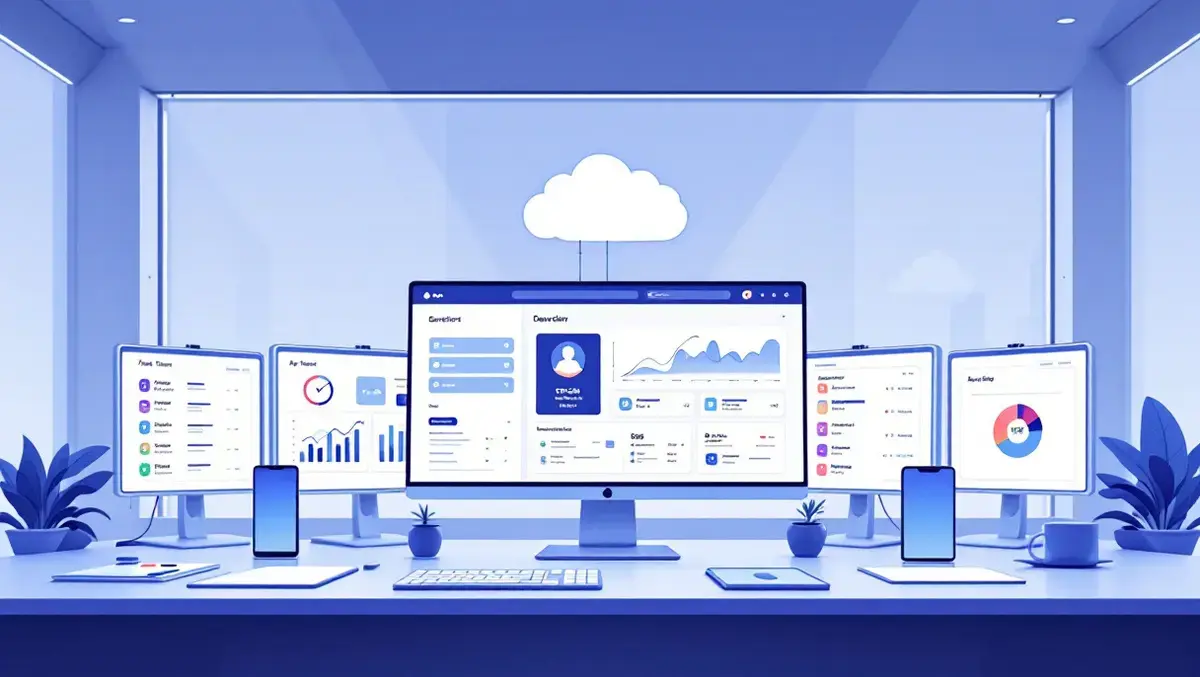

Google Cloud has launched Developer Device Platform in public preview, giving developers on-demand access to physical devices and virtual emulators.
The launch expands Google Cloud's mobile testing tools beyond Firebase Test Lab and targets companies that need to build and test apps across a wide range of handsets.
Developer Device Platform, or DDP, addresses a common problem in mobile software development: the cost and complexity of acquiring, hosting, and maintaining enough devices to test applications properly. Many teams still rely on a limited number of phones for manual checks, leaving gaps when software is released across multiple device types.
DDP combines access to physical devices with high-concurrency virtual emulators. It offers two main functions: Device Streaming for remote interaction with a chosen device or emulator, and Device Run for running automated tests in parallel across large numbers of devices.
With Device Streaming, developers can connect remotely to inspect how an application behaves, interact with the interface, and monitor performance while the software is running. The feature is intended to support iterative debugging when a problem appears only on a particular handset or hardware profile.
Device Run focuses on automated testing within software delivery pipelines. Developers can incorporate tests into CI/CD workflows and execute them across hundreds of devices at once, helping teams identify issues tied to specific models or device tiers more quickly.
Testing shift
Google Cloud is also positioning the service around the growing use of AI coding agents in software development. It describes DDP as its first device platform built for agentic development, intended to let developers use software agents to write code, run tests, debug applications, and assess performance across devices.
According to Google Cloud, those agents can run on real hardware to execute multi-step user journeys, identify visual issues, analyse live chip performance, and verify fixes for hardware-specific bugs. That matters as mobile developers increasingly have to account for varied screen sizes, including foldable devices, and for differences in hardware such as CPU and GPU behaviour.
The service will also integrate with Android Studio and Android CLI, giving developers direct access to physical devices through the Device Streaming API. That would bring device access closer to the tools many Android teams already use in daily workflows.
Operational model
For automated test execution, the platform includes smart sharding to split test suites across multiple devices, with results returned from hundreds of devices within minutes. It also includes automatic retries for individual failing tests within shards, rather than requiring teams to rerun an entire suite when only a small number of tests fail.
That is significant for teams running large-scale mobile testing programmes, where test instability and inconclusive results can cause delays and raise costs. A cloud-based pool of devices can also help businesses manage bursts in testing demand around new releases without maintaining their own hardware farms.
Google Cloud is making the service available to all users in public preview under a pay-per-minute model. Pricing varies between emulator use and physical device use, with customers charged only for active testing minutes.
The move comes as mobile software teams face broader pressure to support more hardware variations and improve the consistency of user experience across devices. For businesses that depend on mobile apps for ordering, customer support, content delivery, or account management, defects tied to specific devices can directly affect customer retention and transaction volumes.
Cloud-based device testing has become a competitive part of the developer tools market, as providers try to reduce the need for in-house device labs while improving reliability and speed. Google Cloud's update suggests it sees device access not only as a testing utility but also as a foundation for AI-assisted development workflows.
In explaining the launch, Google Cloud said many developers still "test launches on the physical phones in their pockets and hope the results apply to most devices."