

GS1 Australia urges retailers to upgrade to 2D barcodes
Mon, 29th Jun 2026
GS1 Australia has urged Australian businesses to upgrade point-of-sale systems so they can read 2D barcodes alongside traditional barcodes. The call coincides with World Barcode Day and the 52nd anniversary of the first supermarket barcode scan in Ohio.
The organisation said retailers, brands and technology providers should ensure their systems can scan QR codes and other 2D barcodes while continuing to process existing linear barcodes. This would allow point-of-sale systems to capture the Global Trade Item Number, the standard used to identify products.
Barcode scanning has been a fixture of modern retail for more than five decades, but GS1 Australia argued that older formats no longer meet growing demands for product information. It said 2D barcodes can hold additional data, including batch numbers, expiry dates, sustainability information and links to digital content.
The push reflects broader changes in retail and supply chains, as businesses face greater scrutiny over product origin, safety and authenticity. More detailed product identifiers can also help companies track goods through distribution networks and give shoppers extra information at the point of purchase.
System changes
Many existing point-of-sale systems will need updates or replacement to handle both barcode types, according to GS1 Australia. Businesses that fail to prepare may find older systems fall short as customer expectations and operational requirements evolve.
GS1 Australia is part of the global GS1 network, which manages barcode and product identification standards across more than 120 countries. In Australia, the not-for-profit body works with more than 24,000 member companies across more than 25 industry sectors and introduced barcoding to the local market in 1979.
The organisation presented the latest push as part of a broader transition already under way in international retail. Major global retailers have begun adopting 2D barcodes, particularly in food and non-food markets where traceability and compliance have become more important.
That shift has implications beyond checkout speed. A 2D barcode can carry or link to data on a product's production batch, shelf life and provenance, helping with recalls and verification. For consumer brands, the same code can also provide access to digital material that a conventional barcode cannot hold.
Industry pressure
Businesses are facing pressure from regulators and consumers to provide clearer information about what they sell. In sectors such as groceries, health products and household goods, stronger traceability systems can reduce the time needed to identify affected stock when issues arise.
GS1 Australia Chief Executive Officer Maria Palazzolo said the anniversary of the first barcode scan marked another inflection point for the sector. "Fifty‐two years ago today, the barcode reshaped the world and now we stand at another turning point; 2D barcodes will soon redefine how organisations operate, how brands communicate, and how consumers make decisions. This is not just a technology upgrade - it is a transformation of trust, transparency, and efficiency across the entire value chain and Australian retailers who act now will lead the next era of modern commerce," Palazzolo said.
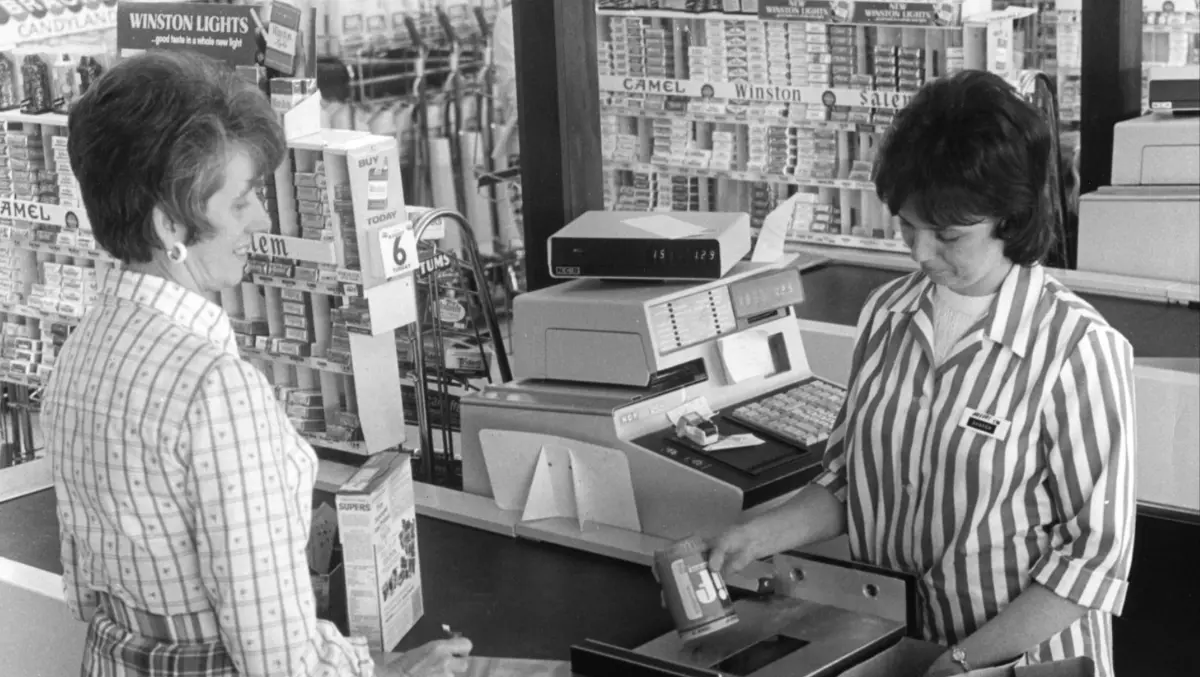
The barcode was first scanned in a supermarket in Ohio 52 years ago, in a development widely seen as a turning point in retail automation. Since then, the technology has become a standard feature of commerce, warehousing and logistics, underpinning stock management and checkout systems worldwide.
GS1 Australia said the next stage depends less on replacing barcodes altogether than on expanding what checkout systems can read. For many businesses, the immediate issue is whether scanners, software and connected retail systems can process 2D formats without disrupting existing operations.
For retailers, the transition could involve investment in scanners, software integration and staff training. For manufacturers and brand owners, it may also require changes to packaging design and data management to ensure additional product information is accurate and available across supply chains.
Companies that act early will be better placed to meet expectations for transparency and product data, according to GS1 Australia. The organisation pointed to growing interest in digital links between packaging and product information as a sign that barcode use is moving beyond inventory control and into consumer communication.
GS1 Australia said 2D barcodes offer advantages in compliance, traceability, operational efficiency and customer engagement in increasingly competitive retail markets.