

Pit launches with USD $16 million seed round from a16z
Thu, 7th May 2026
Pit has launched publicly with a USD $16 million seed round led by Andreessen Horowitz.
The Stockholm-based company was founded by former leaders from Voi, Klarna and iZettle.
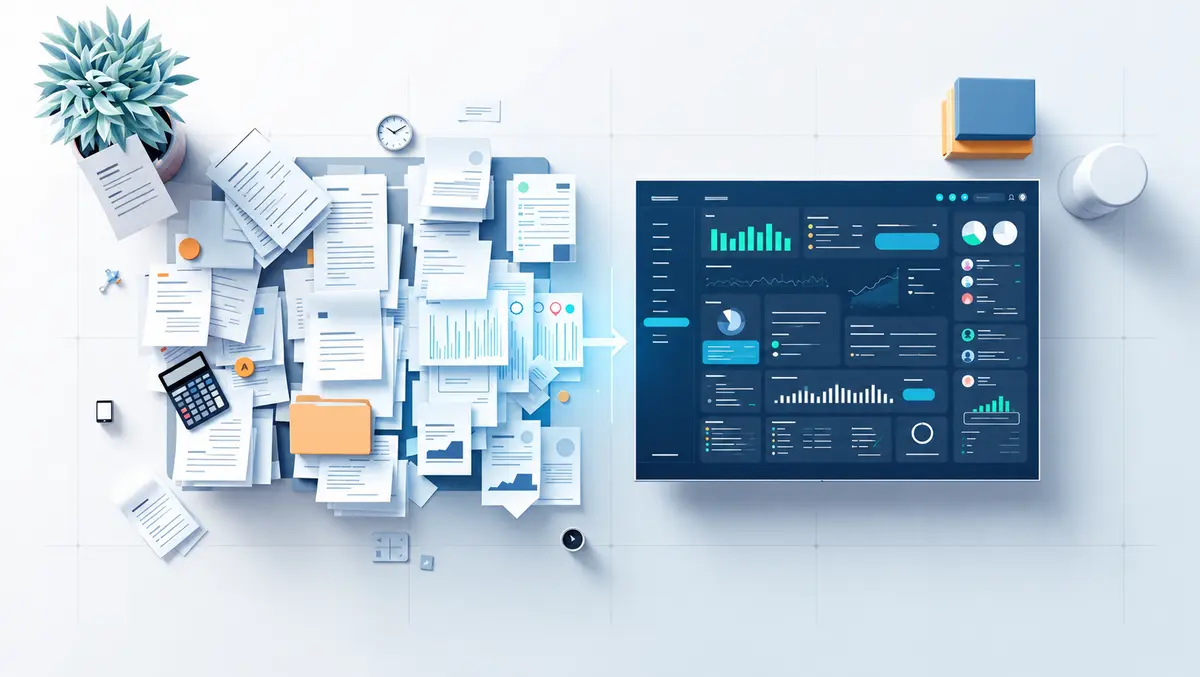
It is building software for internal business operations by learning how a company works and creating systems around those workflows. Pit is targeting businesses that still rely on spreadsheets, email inboxes and established software products for tasks across operations, finance and customer processes.
Andreessen Horowitz led the funding round. Other investors include Lakestar, Pit's founders, executives from OpenAI, Anthropic, Google, Deel and Revolut, and the Stena and Lundin families.
The platform has two main parts. Pit Studio is designed to learn a company's processes and build software for those tasks, while Pit Cloud provides the underlying infrastructure, including tenant isolation, single sign-on, role-based access controls and audit records.
Operational focus
Pit is entering a market where companies have spent heavily on digitisation projects but still run many core processes through fragmented tools and manual steps. It argues this has left many enterprises with systems that are difficult to change as operations evolve.
According to Pit, its approach differs from low-code software and AI assistants because it aims to produce working software for live operational use rather than draft tools or pilots. The company says systems can go live in days or weeks.
Pit is already working on enterprise pilot projects in logistics, telecoms, eCommerce and healthcare. Named customers include Voi, Tre, Stena Recycling and Kry.
It also disclosed early operating figures from those deployments, including an 85% reduction in campaign execution time, savings of more than 10,000 hours a year per deployment, and invoice acceptance rates of 99% through automation.
In one case, involving a large industrial company in Europe, Pit said it replaced an older contract and invoice validation process with an AI-based system operating in real time. That deployment saved more than 10,000 hours annually and produced zero validation errors, according to the company.
Founder background
Pit was founded by executives who previously worked on software and automation projects at Voi, Klarna and iZettle. That experience shaped its effort to turn internal custom-built systems into a repeatable product for larger businesses.
Adam Jafer, Chief Executive Officer and Co-Founder of Pit, set out the company's argument for a shift away from packaged software.
"For 20 years, enterprises have rented software that forces them to operate around it. With AI, that ends. For the first time, every company can run on systems they actually designed themselves," said Jafer.
The backing from Andreessen Horowitz gives Pit support from one of the best-known investors in artificial intelligence and enterprise software. The firm has been active across several parts of the AI market, from foundation model developers to software businesses applying the technology in business settings.
Alex Rampell, a general partner at Andreessen Horowitz, said the investor viewed Pit as distinct from other AI companies focused mainly on speed.
"Every AI company is selling speed. Pit is selling speed that holds up for years, secure, governed, and built to last. It's a new category," said Rampell.
Pit is launching at a time when many businesses are reviewing how to apply AI to routine internal work without replacing entire technology stacks in one step. That has created openings for software suppliers promising narrower operational tools built around specific workflows rather than broad, standardised suites.
Its pitch rests on whether companies are willing to let an outside platform build and run software tied closely to internal processes that have often been managed in-house or through large software vendors. The initial customer list suggests Pit is testing that model first in sectors with complex, repetitive workflows and significant volumes of administrative work.
The company says it is now live with large enterprise customers in healthcare, mobility, telecoms and industrials.