

Saviynt launches 12-city AI identity security roadshow
Thu, 3rd Sep 2026
Saviynt has announced a 12-city global UNLOCK 2026 roadshow focused on AI identity security, with Sydney included as one of the stops.
The programme will bring together security executives, identity practitioners, customers, partners and industry experts to discuss how organisations manage access and governance for human, non-human and AI identities.
The roadshow comes as companies face new questions about the controls surrounding AI systems inside large organisations. Saviynt cited industry research showing that 70% of organisations said AI systems have more access than a human in the same role would receive, highlighting concerns about oversight and access control.
Saviynt recently launched Zuma, which it describes as an AI identity security platform. Discussions during the roadshow will cover ways to secure AI-driven operations, govern different identity types and update identity security programmes.
Industry focus
Identity security has become more prominent as businesses deploy AI tools and autonomous software agents across internal systems. These tools can require broad access to applications, data and infrastructure, raising questions about how companies assign permissions, monitor activity and limit risk.
The roadshow will feature keynote sessions, customer case studies, live demonstrations and executive roundtables. The agenda will also cover AI agents, identity modernisation and broader enterprise security issues linked to AI adoption.
Amazon Web Services is the global sponsor of the series. Saviynt said the sponsorship will support discussions on adopting and scaling AI while maintaining security, governance and trust.
Global schedule
The 12-city programme spans Europe, North America, Asia and Australia. Cities listed are London, Frankfurt, the Netherlands, Stockholm, Chicago, Singapore, Espoo near Helsinki, Dallas, Tokyo, Sydney, Paris and New Delhi.
The Sydney stop brings the programme to the Australian market as organisations in the region weigh AI's operational benefits against security and compliance demands. Identity management has become central to that debate because AI systems can interact with sensitive corporate resources in ways not always covered by existing controls designed for human users.
Saviynt is positioning the roadshow around what it sees as a shift in identity security from managing access to securing intelligence. That framing reflects a broader industry effort to adapt long-established identity and access management practices to software agents and AI systems that can act with a degree of autonomy.
In practice, organisations are having to think beyond employee logins and privileged administrator accounts. They are also being pushed to define how machine identities are created, what permissions they receive, how those permissions are reviewed and what evidence is kept for audit and compliance purposes.
For suppliers in the sector, this is an area of growing competition as vendors seek to tie identity governance more closely to AI deployment. Saviynt's reference to its Zuma platform suggests it is trying to place AI identity security at the centre of its product strategy as customers revisit how they control access across increasingly mixed environments of people, applications, bots and AI agents.
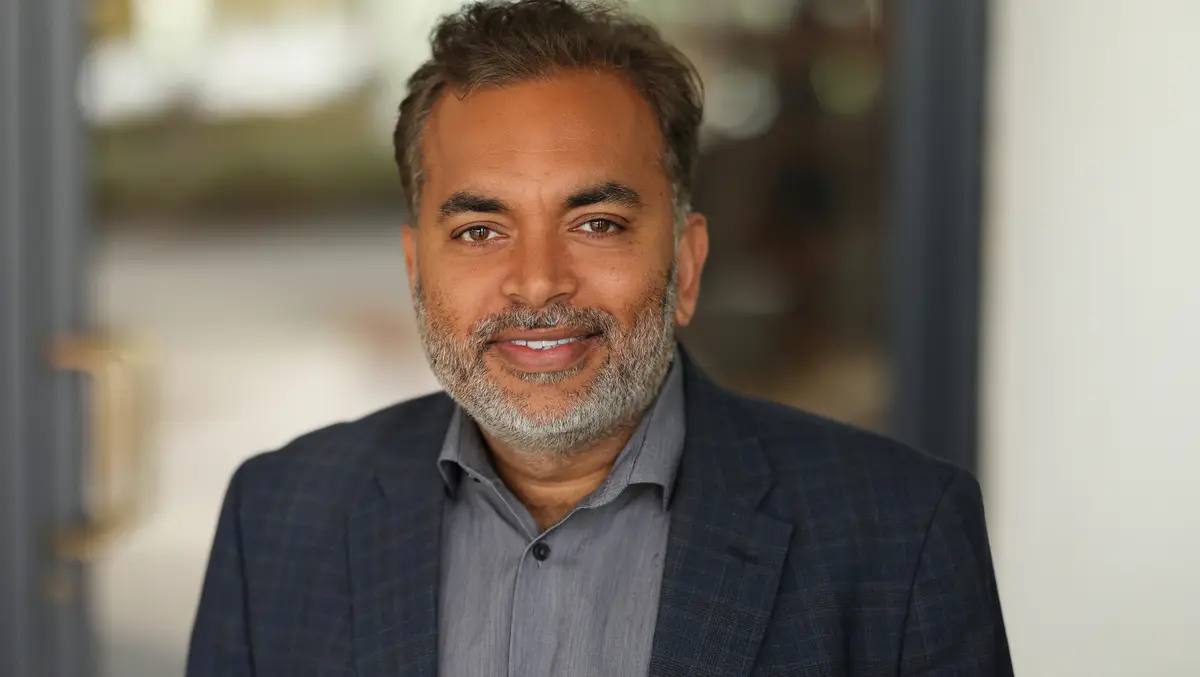
"AI is fundamentally changing who or what needs access inside the enterprise," said Sachin Nayyar, Founder and CEO, Saviynt.
"This is a defining moment for identity security. Following the launch of Zuma, we have seen firsthand how rapidly organisations are rethinking identity in the age of AI, both as an Agentic Identity Platform and Identity Security for AI. UNLOCK gives us an opportunity to hear directly from the enterprises navigating this change, and those conversations will continue to inspire how we innovate and help our customers securely unlock AI's full potential," said Nayyar.