

VoltX expands into Victoria & ACT with battery push
Wed, 17th Jun 2026.webp)
VoltX Energy has expanded into Victoria and the ACT, giving the residential solar and home battery provider a physical presence in two new markets.
It is establishing local warehousing, installer networks and operational support in both jurisdictions as it broadens its footprint beyond New South Wales. In Queensland, it has also widened its reach by adding more postcodes, including the Gold Coast and Sunshine Coast regions.
The expansion comes as household demand for rooftop solar and battery systems remains strong across Australia. Industry data cited by the business shows 4.368 million solar power systems had been installed on homes and small businesses nationwide by April 2026, covering about 40% of all properties.
Victoria remains below that level. Figures referenced by VoltX Energy show 31% of properties in the state have installed solar, compared with the national average of 40%.
That gap is one reason the state is attracting providers looking for growth in residential energy. The ACT is also seen as a market where rebates can support adoption among households weighing the cost of solar and battery systems.
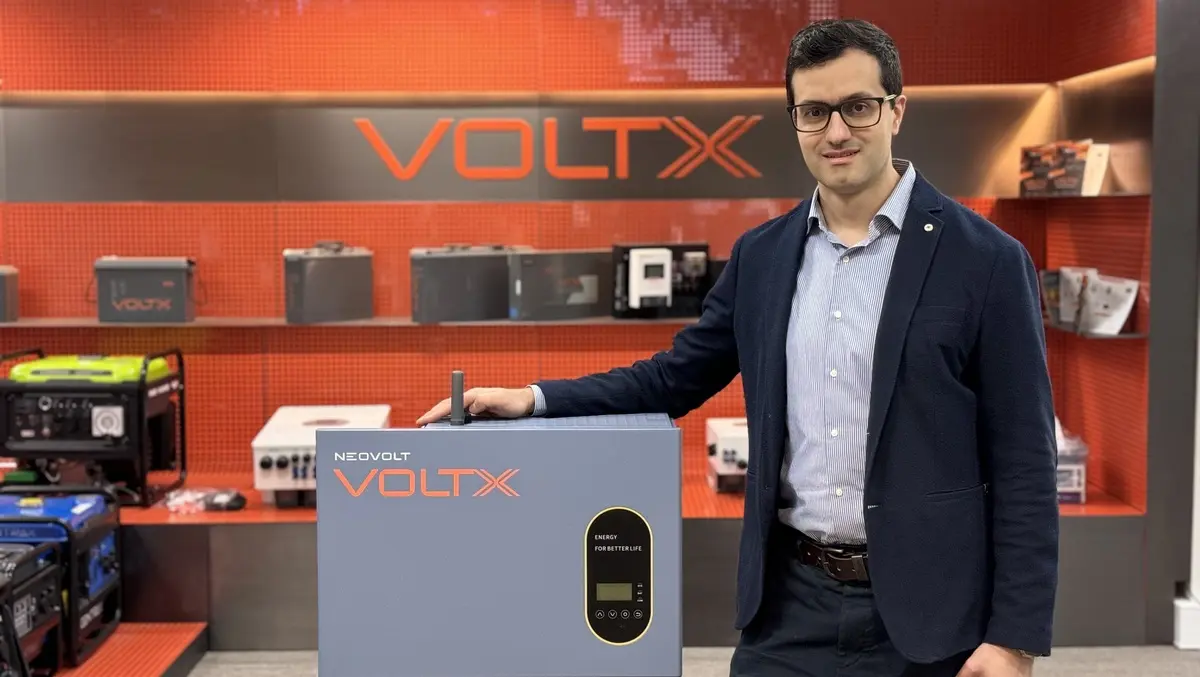
David Sedighi, Chief Operating Officer at VoltX Energy, linked the move to a broader national plan.
"After establishing ourselves as one of New South Wales' most trusted residential solar and home battery providers, the company is launching an on-the-ground presence in two new states and territories, with further growth in South Australia and Queensland," Sedighi said.
He said the expansion reflects a shift to a more national strategy and strong organic demand as more households make long-term energy investments.
"This is the first time we are establishing a genuine physical presence with local warehousing, installer networks and dedicated operational support.
"Homeowners want fast and reliable energy solutions with local support and confidence they are dealing with a trusted and established company that's here for the long term," Sedighi said.
Battery demand
Battery storage has become a more prominent part of the residential energy market as households look beyond solar panels alone. Businesses in the sector have increasingly focused on systems that can store excess solar generation for use later in the day, particularly as electricity bills remain elevated.
Sedighi said rebates in Victoria and the ACT, alongside the national home battery rebate, were shaping consumer decisions.
"There are multiple solar rebates on offer in both Victoria and the ACT to incentivise homeowners and, with the national home battery rebate, homeowners are increasingly looking at batteries as the next step to drastically cut the cost of power bills," Sedighi said.
He said Victoria may be poised for faster uptake over the next year.
"When it comes to solar and the uptake of home batteries, it's true that Victoria is lagging behind the other states and territories, with data showing just 31% of properties have installed solar, compared to the national average of 40%.
"However, we expect in the next 12 months that Victorians will embrace solar and home battery systems more fully as energy costs continue to balloon," Sedighi said.
System size
VoltX Energy said households are often choosing 28kWh battery configurations, which it described as sufficient to meet average daily electricity use for many family homes. That points to a segment of the market where buyers are balancing upfront spending against expected savings on power bills.
"From an affordability perspective, 28kWh seems to be the sweet spot, delivering the best balance of value, storage capacity and long-term bill reduction, comfortably covering the natural energy usage of most family homes," Sedighi said.
He said customer interest is shifting as households reassess how they use electricity.
"While solar remains the first step for many households, we're seeing growing interest in battery systems as people look to store excess energy and maximise the benefits of their solar investment.
"With electricity prices continuing to rise, more Australians are seeing the value of investing in a home battery as a long-term solution.
"Combined with government incentives, battery systems are becoming an increasingly attractive option for homeowners looking to reduce their reliance on the grid," Sedighi said.
VoltX Energy also said energy security is becoming a bigger factor in purchasing decisions, alongside cost savings. That reflects a broader trend in the residential market as consumers seek more certainty over future bills and greater control over household energy use.
"Households want confidence that they can manage their energy use more effectively and protect themselves from future increases in electricity prices," Sedighi said.
"As more Australians become aware of the savings and benefits available through solar and battery systems, we expect demand to continue growing across both metropolitan and regional areas," he said.
Consumer checks
As competition intensifies in rooftop solar and battery installations, VoltX Energy urged consumers to pay close attention to installation standards and after-sales service before signing contracts. The market has drawn a wide range of providers, making quality and support a point of differentiation.
"Customers want more than just a quality product. They want local support, experienced installers and confidence that help is available when they need it," Sedighi said.
"Our goal is to make the process as simple and straightforward as possible for homeowners.
"By investing in local and experienced installation teams, we're ensuring people have access to trusted advice and ongoing assistance," he said.
He also advised buyers to examine key terms closely before making a purchase.
"Check warranties, product authenticity and after-sales support before signing a contract," Sedighi said.
"Asking the right questions upfront can save households thousands of dollars and provides peace of mind they're working with a reputable provider," he said.