Building materials stories
To remain secure, businesses and individuals need to respond effectively to a range of trends that gained momentum last year.
Aqua Security helps software vendors meet compliance requirements of US Executive Order 14028, improving cybersecurity and preventing cyber incidents.
Technology can help industrial machinery and equipment (IM&E) manufacturers take advantage of pent-up demand and motivate customers to reignite paused projects.
NowSecure has unveiled the GitHub Action for Mobile Software Bill of Materials (SBOM), an offering integrated into GitHub Action Dependency Graph.
A look at all of Adobe's major updates for Substance 3D and how its services are enabling businesses to get metaverse ready.
New lows for ransomware attacks, an increase in nation state attacks, a decline in critical infrastructure defences, and 2022 becoming the year of the defender.
BlackBerry showcases new updates and demos, including the integration of BlackBerry IVY with partner technologies, at CES 2022.
BlackBerry has announced a new technology integration between Okta's Identity Cloud and BlackBerry Spark unified endpoint management.
The partnership will address the increasing complexity and growing cybersecurity threats among multi-tiered software supply chains.
New report helps IT buyers avoid greenwash and false claims, says TCO Development. Social and environmental risks high in complex product categories such as IT.
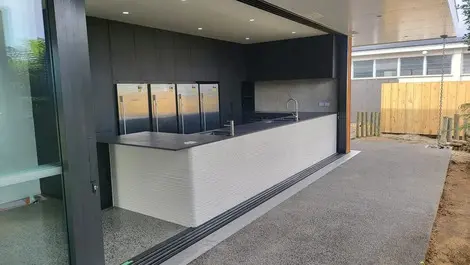
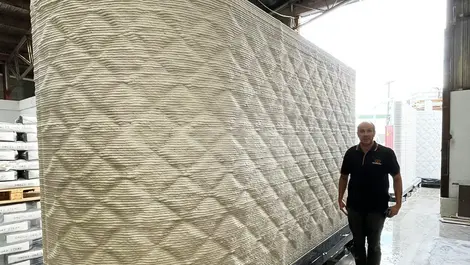
Auckland visitors can inspect a world-first solar passive house with 3D printed concrete walls, built to cut energy use and boost resilience.
Homeowners risk mould and structural damage if flood repairs begin before hidden moisture is fully removed, new BRANZ guidance warns.
Managing the technology stack and known vulnerabilities is becoming a key criteria for cyber insurance payouts.
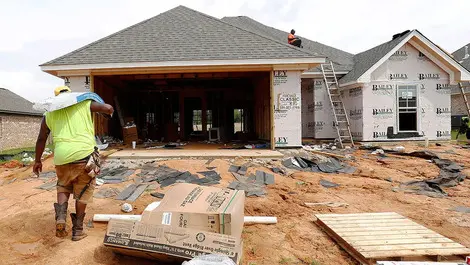
Materials shortages and labour pressures have pushed CoreLogic’s residential construction index to its steepest annual rise since late 2012.
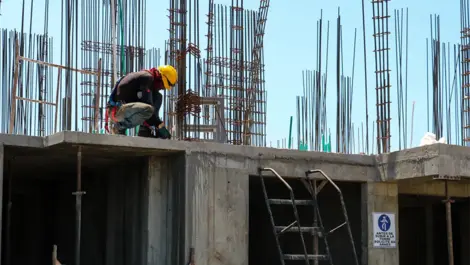
Infrastructure contracts face renewed strain as soaring energy and materials prices push costs well above general inflation, prompting calls to renegotiate terms.
The new Auckland facility could cut New Zealand construction emissions by about 78,000 tonnes of CO2 a year, Holcim says.
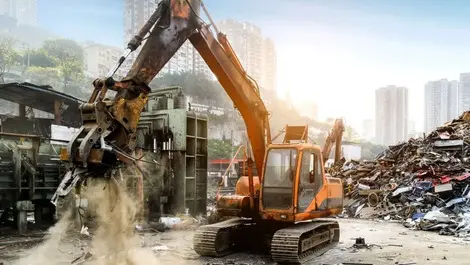
Recycling rates could rise as new sorting and shredding systems help construction waste avoid landfill and recover more valuable materials.
Construction waste is harder to recycle than most rubbish because asbestos and other pollutants must be stripped out first.
Waste from cartons and soft plastics will soon be turned into low-carbon building boards in New Zealand, diverting 4,000 tonnes from landfill a year.
Sustainability, modular builds and antimicrobial coatings are expected to reshape the sector as pandemic-era demand and supply shifts persist.