Data breach stories
A months-long detection gap has exposed how AI agents and other non-human identities can reach sensitive systems before anyone notices.
Historical breaches are resurfacing in AI search when buyers check trust, prompting firms to keep post-incident messaging visible for years.
Verified supplier checks could help governments cut breach risks and avoid service disruptions as agencies rely on thousands of contractors.
The breach has intensified calls for mandatory licensing and faster incident reporting as unions warn advanced AI could undermine essential public services.
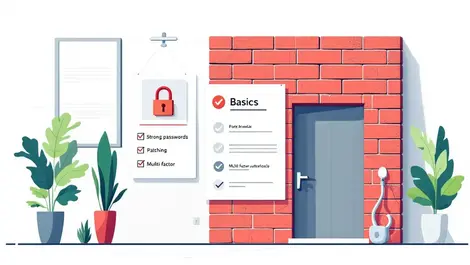
Most attacks still start with weak credentials, unpatched systems or phishing, so the firm says budgets should shore up basics before AI fears.
Data recovery teams face a tougher test as new ransomware often corrupts files without full encryption, Index Engines said.
Businesses face rising disruption unless seven basic cyber controls are properly integrated, tested and owned across identity, recovery and supplier access.
Publicly boasting about AI security breaches could soon hand regulators and litigants a ready-made paper trail.
Most fake hires are exposed only after getting system access, leaving companies vulnerable for days and often weeks before a fraud is spotted.
Nearly one in 10 AI security alerts in retail involved systems exposing protected customer data to users without access, research found.
Australian companies face mounting breach risks as AI-driven attacks outpace detection, exposing costly gaps in containment and recovery.
Data theft is now driving ransom demands, with average payments rising and attackers increasingly targeting senior staff at exposed companies.
Poor visibility and weak board oversight are leaving security chiefs exposed as hybrid AI adoption widens breach risks and governance gaps.
Nearly all surveyed organisations in Australia had an AI tool accessing sensitive data beyond its remit, exposing weak real-time controls.
A cyber breach can now distort ad spend, customer data and campaign performance if businesses fail to lock down marketing systems.
The new feature could help insurers spot hidden AI use and concentration risk across cyber portfolios without relying on disclosures from clients.
The campaign exposed how an unknown financially motivated actor used AI tools to breach multiple South Korean financial firms and steal data.
Boards are being urged to beef up defences as AI tools may soon help criminals automate attacks and target New Zealand organisations more precisely.
Singapore regulators are pressing firms to stop using identity numbers for authentication as leaked telecom records can fuel years of impersonation fraud.
Almost all surveyed firms had AI rules on paper, but 98.8% reported tools or agents accessing sensitive data beyond their intended scope.