Deepfakes stories
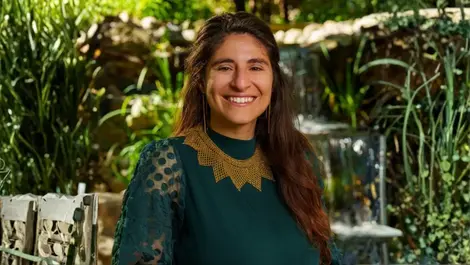
Amid shrinking newsrooms and polarised platforms, women are turning to collaborative communications as a survival strategy for change.
Meta took down nearly 6m scam ads in 2025 after alerts from Lithuanian watchdog Debunk.org under the EU's Digital Services Act system.
IRONSCALES' Winter 2026 Release debuts three AI agents, outbound encryption and Teams deepfake defences to counter next‑gen phishing.
1Kosmos adds embedded identity checks to ServiceNow AI workflows to curb social engineering in high-risk service desk interactions.
OpenID Foundation warns that fragmented rules for managing digital estates after death demand global standards before AI deepfakes escalate risks.
Cloudflare warns AI-driven identity fraud and SaaS abuse are reshaping cybercrime, as global costs hit USD $10.5 trillion a year.
Women are lagging men in AI adoption, risking a generational career setback unless leaders tackle structural barriers and targeted training now.
Generative AI is fuelling a sharp rise in intimate image abuse, outpacing weak platform responses and patchy global legal protections.
AI has become firms' top data security fear as identity and deepfake threats surge, exposing gaps in visibility, encryption and governance.
AI has overtaken all other threats as the top global data security risk, with firms warning its rapid spread magnifies existing vulnerabilities.
AI-fuelled cyber threats are outpacing reactive defences, N-able warns, urging smaller firms to prioritise resilience over traditional security.
Ecommpay launches a free fraud guide for online retailers as UK payment fraud hits GBP £1.17 billion and AI-driven scams rapidly escalate.
CISOs slow-roll agentic AI in defence, even as they brace for more advanced, AI-boosted attacks and rising personal liability risks.
iProov's Dynamic Liveness becomes first facial biometric to achieve Ingenium Level 4 and CEN/TS 18099 High rating for injection attacks.
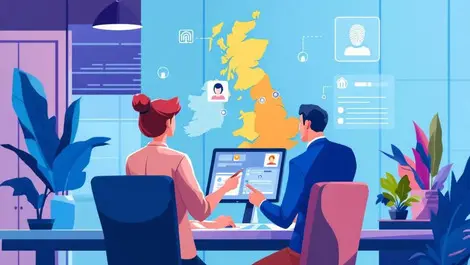
Property firms warn new UK digital ID rules still lack clear “confidence” levels, risking patchy compliance and confused procurement.
As India marks International Women's Day, women warn of rising cyberstalking, deepfakes and online abuse curbing their digital freedom.
NZ spy chief warns terror attack remains a 'realistic possibility' amid rising antisemitic and Islamophobic extremist narratives.
More than one in four US women report online abuse, with LGBTQ+ and non-white women hardest hit amid rising fears over data-fuelled harassment.
Edinburgh-based Cyacomb adds Similarity Matching to Examiner Plus, helping police spot altered child abuse images on phones in minutes.
Women tech leaders harness AEO and EEAT to shield reputations from AI deepfakes, turning bias-fuelled vigilance into a strategic edge.