Energy efficient stories
Apartment residents using the system have cut electricity bills by an average of 30 to 40 per cent, as it wins the 2026 top prize.
Its local range now spans fridges, laundry and connected devices, as the brand seeks to hold shelf space in a crowded market.
Early pilots suggest buildings could cut needless alerts by up to 90% and trim energy use by as much as 10% with the new system.
AI could soon transform jobs, hospitals and schools, with Talwar warning that bigger firms may lag as security and accountability concerns slow adoption.
Australia has awarded AUD $3.6 million to a quantum-backed forecasting project that could help operators manage rising household energy complexity.
Operators can now test hardware, consolidation and migration plans in minutes, as regulators intensify scrutiny of energy and water use.
The Waterford firm will gain access to hyperscalers and investors as it seeks to scale its waste-heat-powered carbon capture technology.
Rising AI electricity demand is prompting the firms to seek more efficient, compact power-supply designs for data centres and high-end computing gear.
Customers can retrofit ageing lighting without upfront capital, as a new pay-monthly service targets buildings and data centres across Asia Pacific.
SME suppliers in Schneider Electric's partner network will get carbon-tracking software and advisory support, after early pilots found savings opportunities.
The update lets Windows users run bigger AI models on-device, as AMD bids to make local processing a rival to cloud-based services.
Rising carbon dioxide and VOCs in enclosed meeting rooms may be dulling workers' focus long before the end of the day, Logitech says.
Businesses could cut GPU use by up to 67% on repetitive AI workloads as Navyra's Ale reuses verified inference work instead of repeating it.
Smaller specialist models could save UK banks millions on compliance work while reducing reliance on a handful of US tech giants.
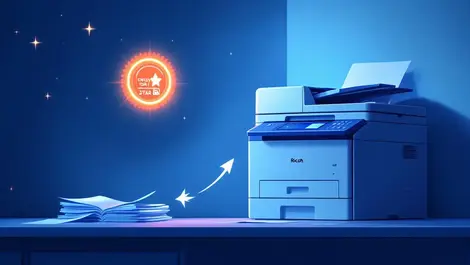
The sixth win since 2019 underlines Ricoh Canada's push to boost certified devices and dealer training as it courts environmentally minded buyers.
Rising electricity costs had been squeezing the volunteer-run club's budget, but the new system should save NZD $9,338 a year.
Many Irish businesses lack clear energy planning even as a €18.9 billion grid upgrade and rising demand reshape investment decisions.
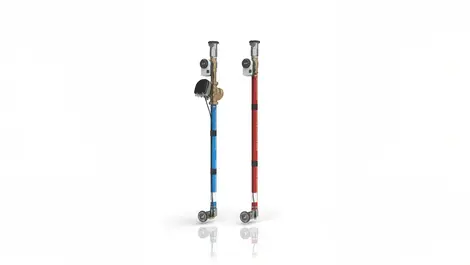
Operators under pressure to curb AI-driven power and water use will see Danfoss pitch cooling kit aimed at cleaner, more reliable data centres.
Airports across Asia face a funding and design test as forecasts point to USD $1.3 trillion in regional capital needs by 2040.
Households could get cheaper, more flexible power deals as National proposes new rules to boost competition and rein in network charges.