Industry 4.0 stories
Industrial firms can use private 5G to cut downtime, improve safety and support automation where Wi-Fi and public mobile networks fall short.
Connected product data is now seen as the key to productivity gains, with manufacturers citing faster decisions, development and launches.
Attendees will see connectivity pushed into new sectors as dedicated automotive, health and aviation zones join the Barcelona show in 2027.
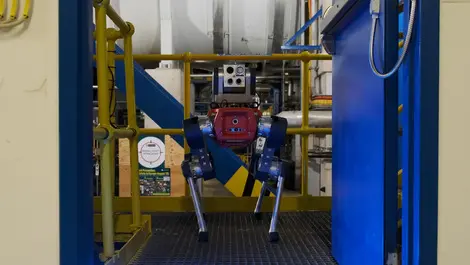
The upgrade lets inspection robots reach critical plant assets behind locked doors, cutting manual work while keeping security and fire controls intact.
Industrial operators could curb downtime and focus maintenance where it matters most as Lumicent links asset data to business risk.
The system could cut robot retraining from hours to minutes in factories where layouts and product lines change often.
Most life sciences manufacturers now see digital transformation as essential, with 54% reporting a cyberattack in the past year and many eyeing AI.
Factories and warehouses could see safer robot interactions as the system reads human posture and movement in real time on embedded hardware.
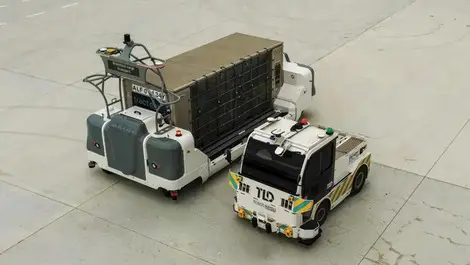
Airports and industrial sites stand to gain from the new brand, which brings autonomous towing and cargo-handling operations under one roof.
Workforce readiness is becoming the main obstacle as industrial firms in Asia Pacific race to use AI without losing vital site expertise.
Hardware teams facing telemetry overload can now automate investigations inside Sift, with findings stored for reuse and human approval required before changes.
Manufacturers could gain sharper checks on supplier price hikes as direct materials intelligence is folded into Jaggaer's procurement platform.
The move targets a USD $260 billion market as owners seek one partner to cut delays, overruns and accountability gaps on major projects.
More than a third of industrial decision-makers now see cyber risk as a top barrier to growth, a Rockwell survey found.
Critical infrastructure operators gain broader visibility across devices, firmware and cloud systems as Dragos folds two specialist tools into its platform.
Industrial control systems could be patched faster as Rockwell tests controlled access to Claude Mythos 5 to spot flaws before attackers exploit them.
More than 100 printers are now supporting parcel traceability across Isitec customers' logistics sites, after a rollout designed to cut manual steps.
Paper-based dispatch at the New Zealand manufacturer has been replaced with RFID tracking, cutting some picking tasks from 15 minutes to five.
Manufacturers risk losing sight of product condition after dispatch, as Asia's AI push exposes the gap between factory data and delivery.
Businesses will hear practical guidance on tackling rising power demand, AI-driven electricity use and emissions pressure at the 2026 Auckland event.











.webp)



.webp)