Infrastructure stories
AUD $22 million in financing will help Woolworths add up to 148 battery electric trucks to its delivery fleet by 2027.
Operators of essential services will need to manage AI, legacy systems and supplier risks under staged obligations due in 2027 and 2028.
Customers running databases and analytics can now tap higher network and storage throughput, as Google Cloud makes its C4N machines generally available.
The pilot could help uncover long-ignored flaws in ageing federal systems, but it also raises questions over transparency and supply-chain risk.
JPMorganChase's new deployment and a move towards production AI have helped lift investor demand for SambaNova, which now sits at USD $11 billion.
Enterprises can now run governed AI workloads faster, as the validated stack aims to cut integration delays and simplify deployment across environments.
Targets for water, emissions and supply chains could shape how new European campuses are built as demand for power and cooling grows.
The acquisition gives Arcus immediate access to a supply-constrained London market where demand for secure colocation and low-latency links remains high.
Boards are being urged to overhaul defences as AI speeds attacks and exposes firms to foreign vendors' access risks.
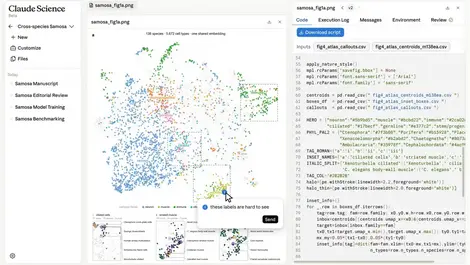
Researchers can now analyse data, search literature and draft papers in one place, with outputs kept reproducible on their own infrastructure.
Demand for sovereign AI compute has forced the Gagarin site to expand within weeks, with capacity set to rise to 5MW by year-end.
Enterprises and agencies handling sensitive data now have a sovereign hybrid option as DXC targets stricter compliance and AI-ready workloads.
Verified climate targets have pushed One NZ to cut its reported Scope 1 and 2 emissions 82% from a 2024 baseline by FY2026.
Breaches in Singapore and Japan are sharpening scrutiny of identity controls, as regulators eye tougher rules for data centres and cloud firms.
The pilot could speed up vulnerability hunting across government systems, but it also leaves human teams to verify and fix each AI flag.
Common grid designs could speed approvals and cut delays for UK data centres as demand for AI capacity strains the network.
Construction costs eased as diesel prices fell, though plumbing and carpentry still rose and Middle East tensions could keep volatility in play.
Investors are being pushed towards corridors, logistics hubs and digital assets as governments and supply chains reshape demand across the region.
Indian banks and government bodies get a domestic cloud option as ESDS seeks to ease data-residency compliance and speed deployments in minutes.
The cloud migration should cut system overhead and give staff faster access to information as Unison modernises back-office operations across its network.


.webp)