Renewable energy stories
Leaders are pushing the Australian government to support the energy transition, as many firms still face hurdles in decarbonising their operations.
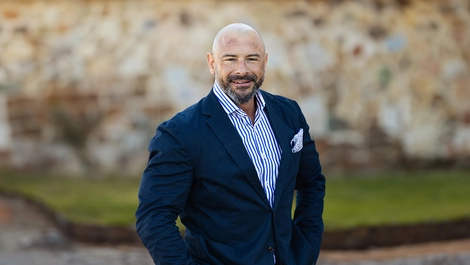
SMA Australia has appointed John Alexander as Vice President of its Large Scale division, bringing over 35 years of energy sector experience to the role.
The National Renewable Network secures AUD $1 million in pre-Series A funding led by Investible to expand solar and battery installations across Australian homes.
Bitdefender reveals vulnerabilities in Solarman and Deye platforms exposed 20% of global solar output to cyber threats, risking US-scale blackouts.
Virtualising networking infrastructure is key to sustainability as companies strive to reduce IT carbon emissions. Here's how to optimise network efficiency.
Legrand Australia and New Zealand's CEO, Palash Nandy, says the company's Net Zero transition is both a responsibility and an opportunity for growth.
NTT DATA has launched its innovative Edge AI platform to streamline industrial operations by enhancing real-time data integration and decision-making capabilities.
New Relic's latest ESG report reveals significant strides in sustainability, including 100% renewable energy use and expansion of its student programme to over 1,400 participants.
A new IFS study shows only 20% of utilities firms have completed digital transformation, despite AI being a top priority.
Verne appoints Maureen Leary as Vice President of Business Development, leveraging her experience from AWS and Akamai to drive expansion and sustainability efforts.
Zero Circle and Wasabi have launched a real-time carbon calculator to help businesses measure and manage the environmental impact of their cloud storage usage.
The advent of AI factories is revolutionising business operations by merging GenAI capabilities with modernised data centres, enhancing productivity and sustainability.
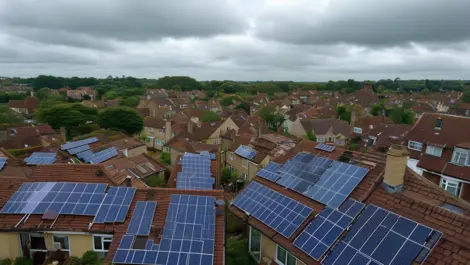
Solar panel installations in England plummeted to 63,000 in the first half of 2024, a 25% decrease from last year, but experts predict a rebound.
FTC Solar appoints Yann Brandt as CEO, effective 19 August 2024, following an extensive search. Brandt brings over 18 years of solar industry experience.
CyrusOne breaks ground on its EUR €1 billion FRA7 data centre in Frankfurt, aiming for 81MW capacity and sustainability goals.
Basis has launched Leo, a smart panel offering enhanced energy management and safety, attracting over USD $100 million in sales interest and compliance certifications.
Princeton Digital Group completes Phase One of its 150MW AI-ready JH1 data centre in Johor, advancing digital infrastructure in SE Asia with MYR 1.276 billion green loan.
EDC has teamed up with Newgen Software to centralise content management for over 1,000 employees, enhancing document handling and operational efficiency.
Energy Development Corporation teams up with Newgen Software to streamline document management for 1,000 employees, enhancing operational efficiency.
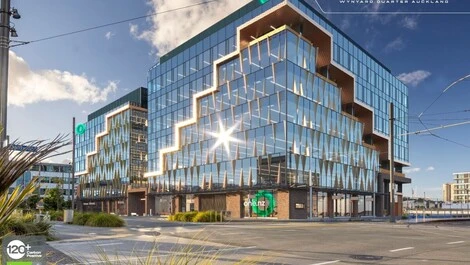
One New Zealand is set to move its Auckland Support Office to Wynyard Quarter by late 2025, focusing on sustainability and employee wellbeing.