Renewable energy stories
Rowan is now positioned for rapid expansion in providing turnkey renewables-powered site solutions for data centre operators across the US.
In 2021 the company launched its AI at Scale strategy and global AI Hub focused on data and analytics, led by Chief AI Officer Philippe Rambach.
His appointment will include championing the important findings of HB11 collaborators in a key new scientific paper.
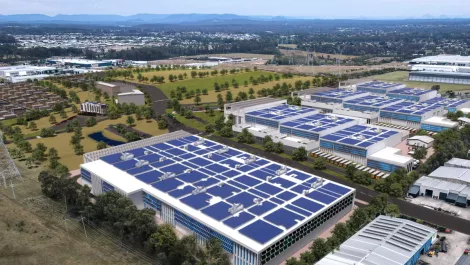
Quinbrook says the new Supernode will be one of the largest permit-approved data storage campus projects in the Southern Hemisphere.
G8 has entered into a memorandum of understanding with ODIN to develop a charging tower powered entirely by renewable wind energy.
New Zealand growers could face higher food costs and poorer water security if reform leaves storage projects harder to finance, IrrigationNZ says.
A $210 billion infrastructure shortfall is sharpening pressure to cut the premium on New Zealand's biggest transport projects.
Unprecedented demand for energy from data centres is putting pressure on energy networks, making backup power supply crucial.
Rental shortages are forcing some first-home buyers to purchase sooner, as Waikato’s population growth and housing demand outstrip supply.
Policy change, fuel resilience and green power projects are set to dominate infrastructure again as reform timelines tighten in 2023.
Industry leaders say the rushed law change could deter investment in minerals needed for batteries, wind farms and other low-emissions infrastructure.
A new loss-and-damage fund may help poorer countries cope with climate disasters, but critics say COP27 delivered little on emissions cuts.
Critics say the overhaul could add bureaucracy and legal uncertainty, raising doubts it will ease New Zealand’s housing crisis.
Farm sales have fallen sharply as higher costs, volatile weather and policy pressure weigh on rural confidence across New Zealand.
Tech firms are warning that rising demand for cloud services will worsen New Zealand’s shortage of skilled IT staff as hyperscale centres expand.
Tenants can keep choosing their own retailer as building owners and body corporates turn privately owned power lines into recurring income.
Consumers are paying more at the pump after New Zealand lost its only refinery and became reliant on costly imported fuel.
Residents of Toyota's Woven City could test swappable cartridges that bring hydrogen power to homes and remote areas without pipes.
Housing and building rules need sharper targets and tougher enforcement if New Zealand is to cut emissions, experts say.
Sulphur-based cells could cut EV battery costs sharply, with Theion claiming triple the range and far less energy use in production.




.webp)