Security testing stories
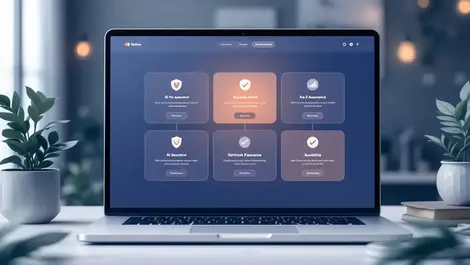
Technology buyers can now review six AI assurance services online as the consultancy expands from a six-page brochure site to more than 50 pages.
A new scoring system could help firms avoid risky AI deployments as agents gain access to internal data and act on staff behalf.
Teams relying on AI alone miss more vulnerabilities, as the study found human testers still beat the best agents by 23 percentage points.
Use of AI in offensive security is spreading quickly, but most testers still want human oversight before trusting autonomous attack chains.
The recognition could help customers cut through floods of unverified alerts by proving which flaws are genuinely exploitable.
AI now shapes exploit development for most pentesters, yet just 2% trust it to chain attacks unaided, Cobalt's survey found.
Businesses rolling out data and AI projects could face fewer delays, as the firms will add security checks during development rather than after launch.
The hire comes as demand grows for continuous offensive security testing, with Cobalt seeking to expand enterprise sales and channel partnerships.
The moves underline how security vendors are racing to control AI agents as businesses widen their use of automated software across operations.
The deal widens access to AI inside corporate systems, with a free-to-start SMB bundle offering USD $12,000 in cloud credits a year.
Businesses moving beyond AI pilots will get help from Oracle's new service, which aims to speed deployment and tighten control across enterprise systems.
The expanded tie-up gives businesses new AI tools for workflows, app building and security testing, while smaller firms get a free-to-start bundle.
Rapid release cycles are leaving many firms exposed between checks, with 90% of security and engineering leaders calling the annual pentest obsolete.
With software now shipping daily or faster, most leaders say periodic checks leave dangerous gaps between tests and fixes.
Security teams facing new risks from generative AI can now take eight hours of hands-on training on prompt injection and jailbreaks.
Attackers are using AI to speed up, scale and automate probes, forcing organisations to tighten governance, data flow and incident testing.
Clearer findings help organisations separate missing evidence from unfinished AI governance work, and decide what to improve before certification.
Businesses rolling out AI and data projects will now get security testing earlier, as the firms aim to cut costly late-stage fixes and launch delays.
Security teams can now test live environments for multi-step attack chains while limiting damage, as Picus adds agent-led penetration testing to its platform.
New Zealand firms face longer exposure windows as attacks speed up, with Division Zero's platform offering next-business-day testing and continuous checks.