Wind power stories
Australia grapples with a 22% increase in transportation emissions since 2005, spurring the Government to pledge over $100bn per annum to sustainable solutions.
Fuse Energy, serving 50,000 UK homes, expands into domestic gas after securing $10m in funding to cut bills and boost green energy growth.
New Zealand leads Asia-Pacific in energy transition investment, with 77% of firms committing over 10% of capital to renewables, yet faces a skills shortage.
Echelon plans EUR €3.5bn investment in two Wicklow data centres, aiming to create 3,315 jobs and boost Ireland's renewable energy and economy.
Amazon surpasses its 2030 goal, hitting 100% renewable energy for operations in 2023. This milestone is a major leap towards its net-zero carbon commitment by 2040.
Only 1% of UK wind energy firms protected against rising cyber threats, Cyber Energia's assessment shows amid a steep surge in daily cyber-attacks.
Verne Global debuts direct liquid cooling technology at its Finnish data centre, enhancing its sustainability pledge.
OpenADR Alliance announces OpenADR 3.0 standard for managing growing range of distributed energy resources at ENLIT Europe.
Virtual Power Plant market set to reach £1.10bn by 2030, driven by renewable energy integration and demand response initiatives, says Adroit Market Research.
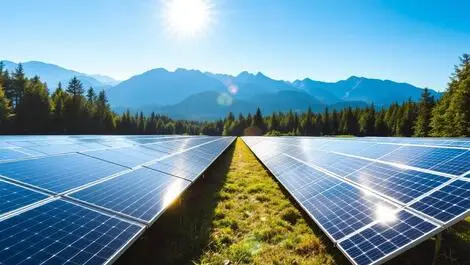
The quA-ymn Solar Project in British Columbia now powers over 2,400 homes, marking the province's largest commercial solar facility to date.
EVs are linked to higher CO2 output in 26 countries, with the researchers saying only grids powered by far more renewables will cut emissions.
A trio of New Zealand startups will be honoured in Paris as the mission seeks overseas backers for a sector forecast to top NZ$1 trillion by 2030.
High costs and poor performance are leaving carbon capture less competitive than renewables, with flagship projects missing targets by up to 50%.
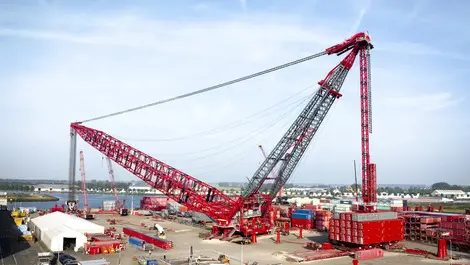
The 6,000-tonne SK6000 could speed major energy builds by shifting more work offsite and bringing first power sooner.
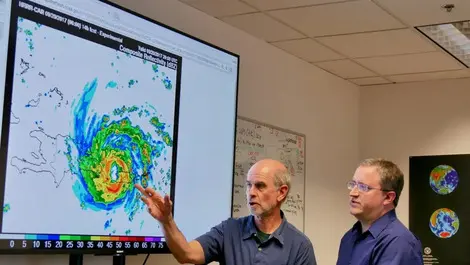
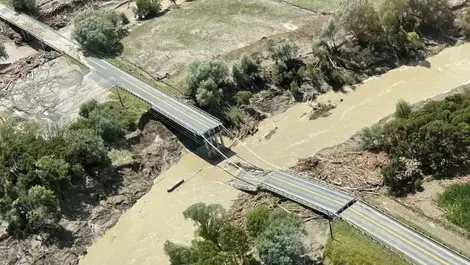
Additional funding will boost flood forecasting and climate adaptation work after recent cyclones exposed gaps in New Zealand's resilience.
In civil construction, the concept hinges on system boundaries, with finite resources, waste and carbon shaping whether projects can endure.
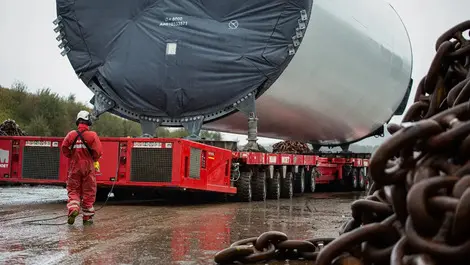
Retrofitting heavy hauliers to run on electricity could cut noise and emissions on bridge, wind and power projects worldwide.
Critics say the reform could lift housing and infrastructure costs by stripping councils of planning powers and deepening court battles.
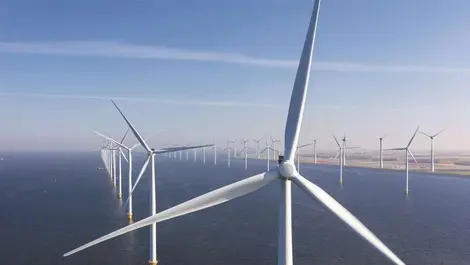
Offshore wind could help bridge Australia’s huge clean-power gap, with grid demand set to double by 2050 under net zero plans.
Communities face repeated outages and costly repairs unless planners shift to more resilient, wellbeing-based infrastructure decisions.