Women in Technology stories
We know that Australia's skills and labour challenge is not a regional problem, it's global. So, where are all these people going to come from?.
IWD presents an opportunity to highlight how we can better prevent ongoing inequality and injustices that exist for women and non-binary people within tech.
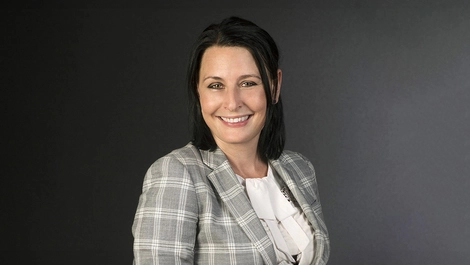
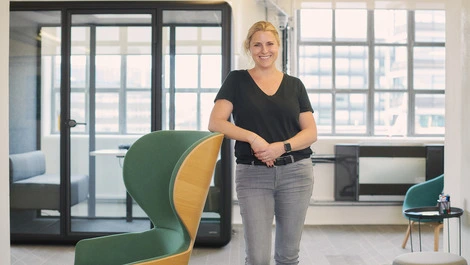
Look out for ways to boost diversity and inclusion while you're shaking things up, says Lisa Baldwin, Regional Business Manager, Ricoh Australia.
One way to tackle the underrepresentation challenge is by encouraging greater numbers of young women to consider IT as a career choice.
This year, we have more case studies and proof points than ever of the ability to create and reap the benefits of gender-balanced teams.
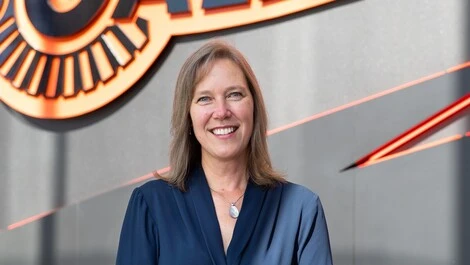
Have the confidence to step up and you'll inspire other women to do likewise, writes Jamf's Senior Manager Customer Success APAC, Melissa Antoine.
We're so clearly already living in a digital-first world, so how do we start to solve the issue of the lack of gender balance in tech?.
Although opportunities for women have grown in the workplace, there's still a significant gap between male and female employees in management.
How do we challenge tech companies to review practices to become more inclusive and to empower women to bring out their best potential?.
Going into this case study, we expected that we would gain an understanding of systemic factors that help bring more women into tech.
This year's theme challenges us to deepen our understanding and use it to cultivate a more inclusive and supportive ecosystem.
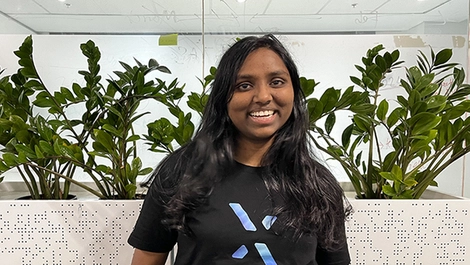
I started building my career to escape the limits set for me by my background, but today I continue to do it because it's what I love.
Encouraging more women into the global tech industry represents an opportunity for businesses to tap into bigger talent pools and diversified skillsets.
Hybrid work arrangements have the potential to create gaps between those who work from home and those who work in the office, regardless of gender.
One of the more difficult challenges to overcome is that women, quite simply, aren't putting themselves forward or applying for these roles.
Entrenched social norms, unconscious biases and a lack of representation of women in senior roles create barriers for women looking to enter the workforce.
As we 'celebrate' another International Women's Day, the time for Australian companies to take action to close the gender pay gap is now.
While remote work has given us increased flexibility and freedom, it has also blurred the lines between our work and home lives.
While the information management (IM) and data privacy sectors are well represented by women, the more senior the role, the bigger the gender disparity becomes.
It's important to remember that it's impossible to please everyone, and trying to do so is a recipe for unhappiness.