

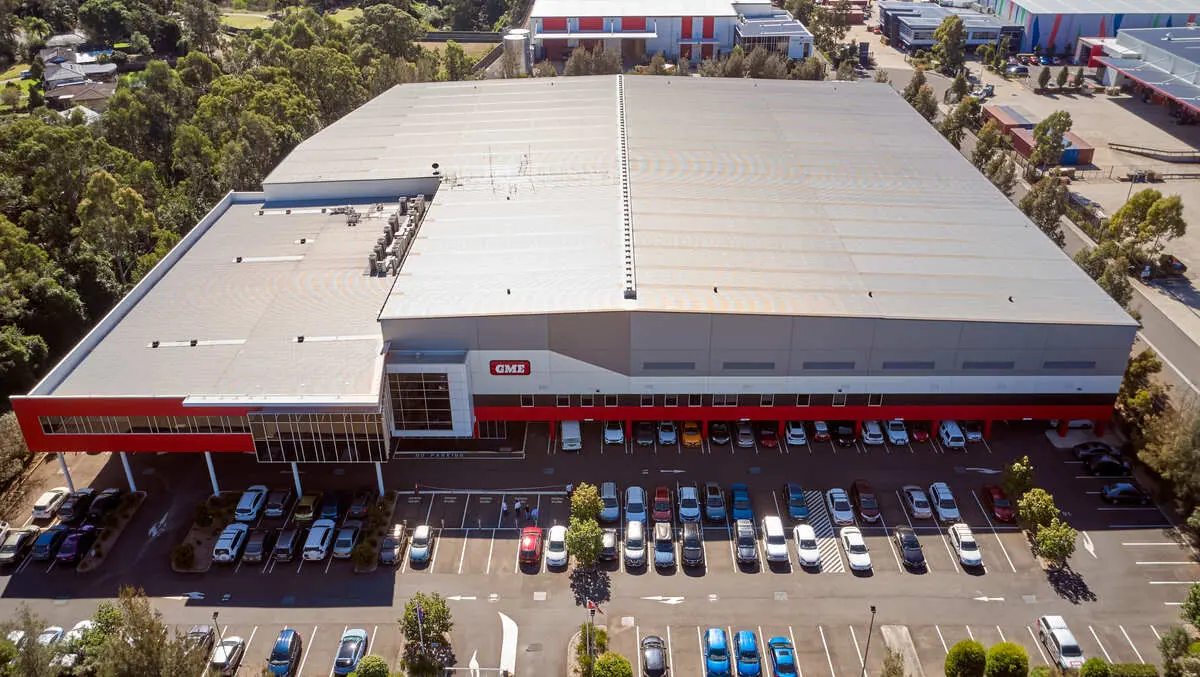
ADF trials wearable heat monitor to boost safety in NT operations
Wed, 8th Oct 2025
The Australian Defence Force is trialling a new Wearable Heat Risk Monitor developed by GME to address workplace safety and heat stress among Army personnel in the Northern Territory.
Heat risk challenge
Heat risk has been recognised as a major issue affecting the safety and operational effectiveness of ADF members, particularly as personnel are often required to operate in environments characterised by high temperatures and humidity levels, such as the northern regions of Australia. The combination of these environmental factors presents acute risks, including heat exhaustion and heat stroke, posing a challenge to maintaining force preservation and mission readiness.
The current approach to managing heat stress within the ADF largely relies on activity cycles that are informed by specialised thermal monitoring equipment. While helpful, this strategy depends on manual input and periodic checks, which may not adequately capture rapid or unexpected changes in heat stress risk for individual soldiers during operations.
Wearable monitoring technology
To address these limitations, the Australian Army engaged GME to design and manufacture a wearable environmental monitoring device that could provide continuous, real-time data on personal heat stress risk without requiring manual intervention. The resulting prototype, now being trialled, combines environmental sensors with real-time data analytics to deliver live insights into prevailing conditions and the physical activity of personnel.
GME's engineering and industrial design teams developed the Wearable Heat Risk Monitor as a portable solution intended to support both local commanders and individual soldiers. By continuously monitoring ambient conditions and activity patterns, the device aims to flag potential heat-related incidents before they become critical, enabling timely interventions and risk mitigation during field operations.
"We're motivated by the ADF's commitment to workplace safety and force preservation, using GME's sovereign engineering and manufacturing capabilities to design this industry-leading device that has the potential to save lives in heat stress environments," Mr Rule said.
Trial underway
The field trial, taking place in the Northern Territory, aims to evaluate the prototype under operational conditions, focusing on factors such as the device's wearability and ease of integration into daily use by soldiers. The performance data and user feedback collected during this evaluation will inform further refinements and potential broader deployment of the technology within the Army, as well as for other applications.
"Trialling innovative solutions like this allows us to better manage heat-related risks and maintain operational readiness wherever we are working, including tropical areas such as the Northern Territory," Colonel Robinson said.
The results of the current assessment will not only influence the ultimate design of a production version for use by the Army. Still, they may also be relevant to other sectors or community groups facing similar risks from high temperatures and humidity in demanding environments.
The development and deployment of the Wearable Heat Risk Monitor reinforces GME's existing relationship with the Australian Defence sector, reflecting a continued commitment to supporting operational safety and resilience within Australian manufacturing capabilities.