

viAct expands into Australia with Vision AI safety
Wed, 15th Apr 2026
viAct has expanded into Australia with Vision AI safety systems for high-risk industries, targeting sectors including construction, mining, logistics, and oil and gas.
The company is entering the market as Australian employers face tighter regulatory scrutiny and more complex site operations. It is offering camera-based monitoring and video analytics designed to identify safety risks as they emerge on industrial sites.
Australia has long placed a strong emphasis on workplace safety, but serious risks remain in sectors where staff work around heavy machinery, moving vehicles, and changing site conditions. Figures cited by viAct put the national fatality rate at 1.3 per 100,000 workers, with vehicle incidents and falls from height among the leading causes.
Safety shift
viAct is positioning its system as an additional layer alongside established safety processes such as inspections, reporting, and post-incident reviews. It argues that manual approaches can miss hazards that develop between scheduled checks, especially on large sites with multiple contractors and restricted areas.
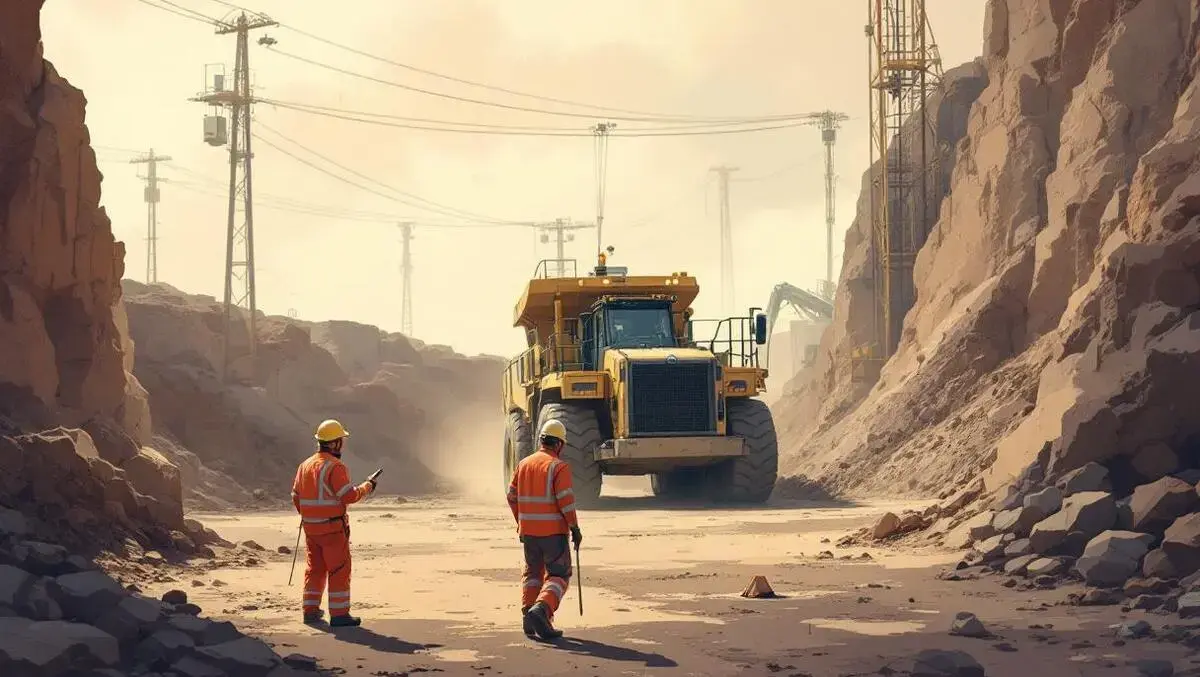
On construction projects, the technology is intended to spot issues such as personal protective equipment breaches, work-at-height risks, and unauthorised access. In mining, the focus includes heavy vehicle movement, hazardous zone breaches, and operator fatigue, particularly at remote sites where direct supervision can be difficult.
Warehousing and logistics operations are another target area, where the system can be used to detect unsafe proximity between pedestrians and vehicles, speeding, and near-miss incidents.
Data Focus
A central part of viAct's pitch is the use of visual data to generate automated alerts, records of rule breaches, and dashboards for safety teams. The aim is to add leading indicators from day-to-day site activity to traditional lagging measures such as total recordable injury rate.
Repeated patterns, including persistent failures to wear protective equipment or unsafe interactions with equipment, can also be tracked over time. That could help managers focus interventions on the areas of greatest exposure.
The wider market is shifting towards more continuous monitoring and earlier risk detection. In the Australian resources sector, companies such as BHP and Rio Tinto have already introduced Vision AI into parts of their operations, reflecting a broader move to use software and sensors in safety management.
viAct also described a case involving an industrial operator in Australia facing wildfire risks from dry grass and debris near machinery. It said its fire and smoke detection system identified a minor ignition caused by overheated cabling in real time, allowing staff to intervene before it developed into a larger fire.
The example also highlights another pressure on operators in Australia, where site safety can overlap with wider environmental and community risks. In bushfire-prone regions, early detection systems can affect not only worker protection but also asset security and compliance with local management standards.
Market entry
Founded in 2016, viAct operated across Asia-Pacific and the Middle East before entering Australia. The company focuses on high-risk industries and says it has deployed its scenario-based visual intelligence systems across hundreds of organisations.
Its arrival comes as industrial businesses weigh how far technology can supplement conventional safety structures rather than replace them. Many operators still rely on supervisors, site walkarounds, and incident reviews as the backbone of safety practice, but digital tools are increasingly being used to widen coverage and shorten response times.
For vendors in this market, the challenge will likely be proving that AI systems can deliver reliable monitoring in complex operating environments without creating excessive false alarms or extra layers of administration. Buyers are also under pressure to show measurable returns from new safety investments, whether through lower incident rates, reduced downtime, or improved reporting.
Gary Ng, Chief Executive Officer of viAct, said: "Safety is transitioning from a compliance-driven function to an intelligence-led system. As Vision AI continues to evolve, it will enable organisations to understand patterns across sites, anticipate potential risks, and embed safety into everyday operations through continuous, data-driven insight."