

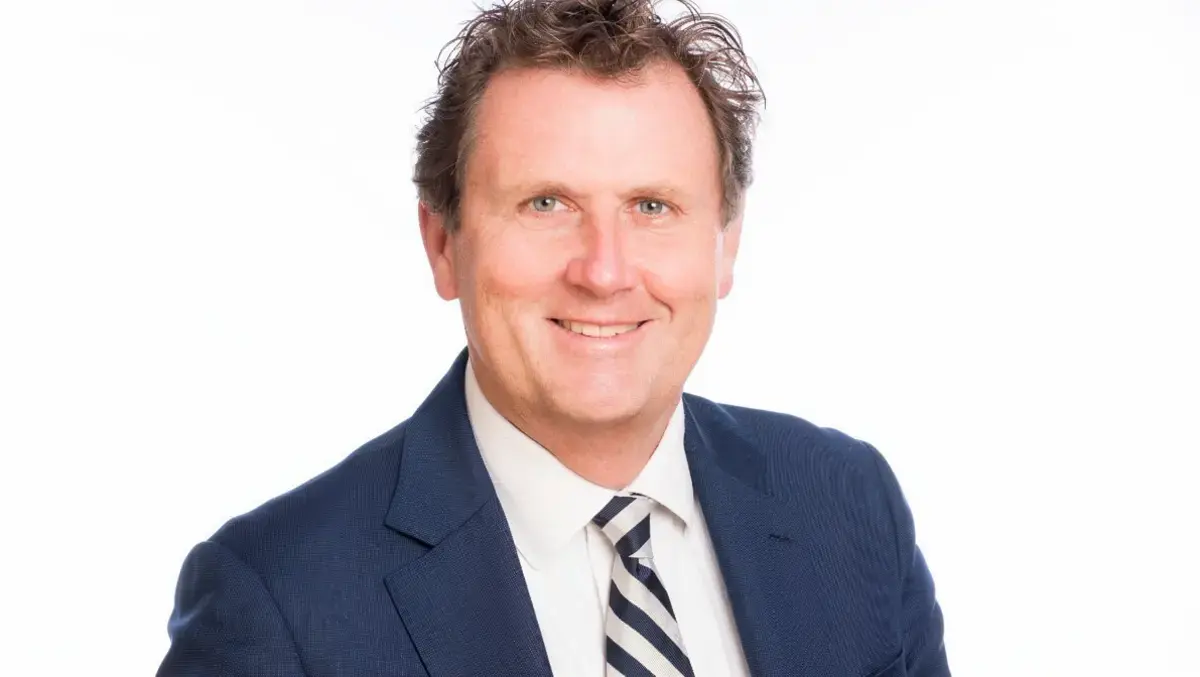

Consumer confidence in Australia fell in October after the Reserve Bank of Australia's latest interest rate rise and higher petrol prices, CreditorWatch said. Chief Economist Ivan Colhoun said the biggest declines were in views on family finances.
Confidence fell 4.7% in October, according to Colhoun's commentary. Responses collected after the late-September rate increase were markedly weaker than those gathered beforehand.
Colhoun said the drop reflected pressure from sharply higher fuel costs and the latest rate rise, with household budgets bearing the brunt. He added that cost-of-living pressures are also weighing on businesses, citing a recent CreditorWatch survey in which living costs and rising operating expenses were the biggest negative factors for the business outlook.
The findings point to a growing challenge for the Federal Government as living costs continue to rise from already high levels. The weakest household readings were on family finances compared with a year earlier, suggesting consumers remain under pressure even as broader measures of economic expectations were less affected.
Views on the economy over the next 12 months and the next five years did not weaken as sharply. That contrasted with the steep decline in personal financial conditions, which Colhoun said remained at very low levels.
Labour signals
The labour market picture remained mixed. The unemployment expectations index rose 1.9% over the month and was 11.4% above its level a year earlier, continuing a gradual upward trend that Colhoun said broadly mirrored the slight rise in Australia's unemployment rate.
He said the signal should be treated with caution because employment has continued to grow. Westpac has also noted stronger job-loss fears in more cyclical sectors, particularly construction, hospitality and transport.
One unexpected area, Colhoun said, was hiring demand. ANZ-Indeed job ads rose 2.2% in September after a 2.6% rise in August, an increase he described as surprising given weaker sentiment and tighter monetary policy.
He said the trend had not yet been matched by SEEK's job ad series, although SEEK ads rose 1.1% in August. If sustained, those readings would matter because of their close relationship with unemployment and interest rates.
Rate outlook
Colhoun said the Reserve Bank does not attach significant weight to consumer confidence readings and has recently noted that the survey is not closely correlated with spending. He said he preferred to watch sustained trends across different parts of the data rather than focus on a single monthly move.
Two themes stand out. The first is persistent weakness in family finances as living costs continue to rise. The second is that unemployment expectations, while edging up, have not moved sharply higher.
"The Australian consumer seems pincered between a high and still rising cost of living, albeit with broadly very low unemployment," said Ivan Colhoun, Chief Economist, CreditorWatch.
On monetary policy, Colhoun said he did not expect the current setting to be enough to return inflation to target in the second half of 2027. Recent central bank communication, he said, suggested policymakers remained on a gradual tightening path rather than preparing for an immediate follow-up move.
"I don't expect that the current setting of monetary policy will be sufficient to return inflation to target in the second half of 2027, though communications at the Governor's press release suggested the Board remains on a gradual tightening strategy, so the next move might not occur until February," said Colhoun.