

Australian executives eye new jobs amid pay satisfaction
Thu, 10th Sep 2026.webp)
Page Executive found that 63% of Australian executives plan to actively look for a new job within the next three months, while 42% are already job hunting.
Its 2026 Executive Compensation & Trends Report also found that 89% of executives and senior leaders are open to a new role, even though 75% said they were satisfied with their pay.
The figures point to a senior labour market where retention cannot be explained by salary alone. More than half of respondents, 53%, said work-life balance was the biggest driver of job satisfaction, ahead of salary at 46%.
That preference appears to carry into career decisions. Two in three executives said they would reject a promotion if it compromised their wellbeing, while flexible and hybrid work ranked as the most valued executive benefit.
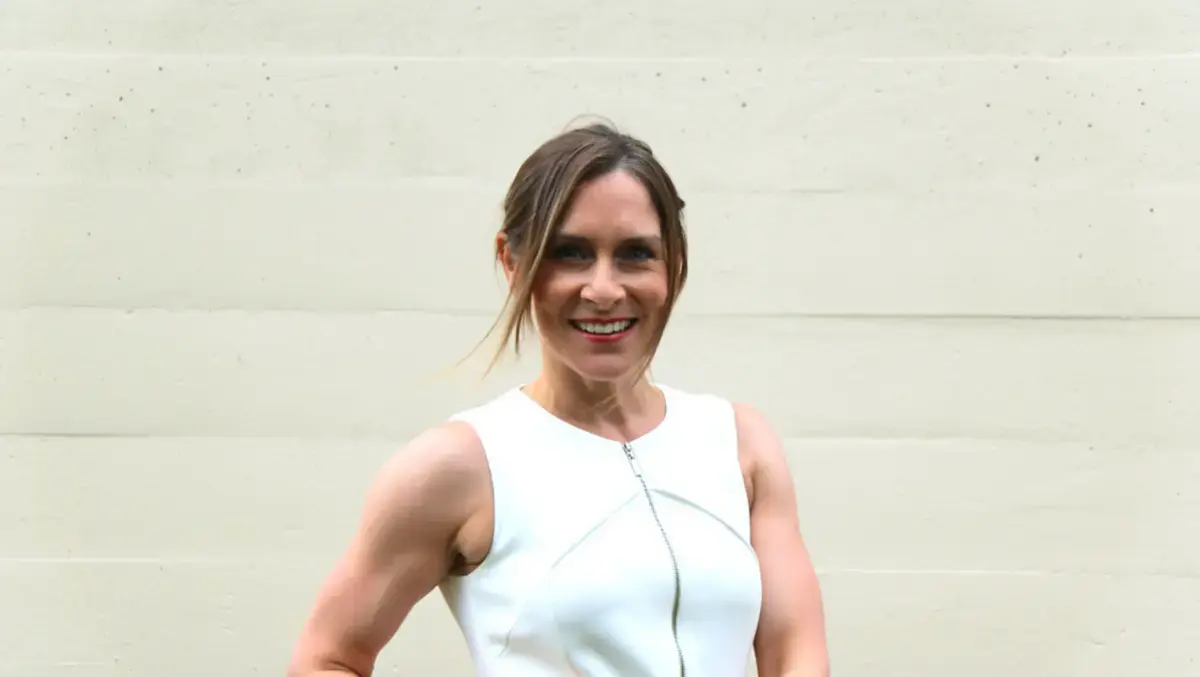
Molly Green, Head of Page Executive Australia, said broader pressures were shaping how senior leaders viewed their roles and options.
"We're in an environment of global, geopolitical and economic uncertainty. In Australia there are productivity challenges, changes in the federal budget and AI, which is changing how organisations and people fundamentally work," Green said.
She said the shift had left even the most senior figures unwilling to rule out alternatives.
"In uncertain times, people like to keep their options open, even CEOs," Green said.
The research suggests those choices are also influenced by personal circumstances rather than compensation packages, with many C-suite leaders weighing family demands alongside professional ambition.
"Business leaders are also becoming increasingly value-driven. The data tells us they aren't willing to compromise their wellbeing and work flexibility for a paycheck. A lot of people in the C-suite are in the sandwich generation and are raising a family and also dealing with older parents. They are looking for that balance that allows them to juggle both.
"Despite the widespread commentary about returning to the office, the data tells us that director and C-suite employees value the flexibility they've become accustomed to and many are not willing to sacrifice it in changing jobs," Green said.
Execution gap
The report also highlighted a split between senior executives who set strategy and the managers expected to carry it out. While 76% of Australian senior leaders and executives said they were confident their organisation could adapt to changing market conditions, that fell to 67% among senior managers.
Green said the result pointed to a gap between strategy and delivery rather than a flaw in the strategy itself.
"This was a surprising result. It really points to a strategic execution gap emerging at a time where businesses need to be agile in the face of volatile economic conditions and geopolitical shocks, from oil supply disruptions to AI and the rising cost of doing business.
"Leadership alignment is critical here. Execution risk often sits between layers of leadership rather than in the strategy itself, and that could mean expensive change initiatives stall. It's not because the strategy is wrong, but because the people expected to deliver it were never fully on board," Green said.
AI divide
Another tension emerged in attitudes to artificial intelligence. The report found 83% of Australian business leaders use AI in their day-to-day work and say it has had a positive impact, but only 66% believe it is improving productivity across the organisation.
At the same time, 75% of senior leaders said they do not expect AI to affect their own role. That suggests a disconnect between personal use of the technology and expectations about how deeply it may reshape leadership jobs.
Green said organisations now faced the harder task of turning individual use into broader gains.
"The findings show that Australian business leaders are already embracing AI and seeing tangible benefits in their own work. The challenge now is translating those individual gains into organisation-wide productivity improvements. As AI adoption matures, businesses that invest in the right skills, processes and culture will be best placed to unlock its full potential," Green said.
The survey also found a mismatch between the incentives companies offer and the benefits executives actually value. Company cars remain a common perk, but they did not rank among the five most desired benefits for senior leaders.
The annual study surveyed more than 14,000 executives and senior leaders. Among Australian respondents, 26% said they expect to leave their current organisation within 12 months, while 73% said they use skills-based hiring but only 15% prioritise skills over pedigree.