


Babeltext has released a short film aimed at tourism businesses, showing how AI and human staff can handle enquiries from travellers who do not speak English.
Published under Babeltext's AU Travel Insider banner, the film follows a Japanese traveller who cannot find her hotel in Sydney and receives help in Japanese before reaching Bondi. Babeltext is using the video to make a broader commercial case for multilingual messaging in tourism, particularly for hotels, tour operators and attractions that cannot employ staff across multiple languages.
Travellers can contact a business through channels they already use, including WhatsApp, WeChat, SMS and web chat, and receive replies in any of 249 languages, according to Babeltext. If an enquiry requires judgement rather than a routine answer, a staff member can join the same conversation while each side continues to read and write in their own language.
Babeltext said the design was shaped by research during development, which found travel agents were struggling to communicate with culturally and linguistically diverse travellers and were losing bookings because of language barriers. Many agents relied on general translation tools, but that became difficult when staff were handling large numbers of enquiries in several languages at once.
Testing also showed that an AI model on its own was not a sufficiently reliable translator, according to the company. In response, Babeltext separates translation from response generation, translating the traveller's message before it reaches the AI model and then translating the model's reply back into the traveller's original language.
The structure is intended to address a practical problem in travel enquiries, where questions can range from straightforward requests for directions and opening times to missed arrivals, booking changes or distressed customers. Routine questions can be handled automatically, while more sensitive or complex issues can be passed to a human staff member without moving the traveller to another channel or forcing them to repeat information, Babeltext said.
Tourism focus
The approach is aimed at a sector where response time can determine whether an enquiry becomes a booking. A traveller messaging from overseas outside Australian business hours may move on quickly if no answer arrives, particularly when comparing options across accommodation providers, attractions or tours.
Babeltext argues that keeping the same conversation thread from first enquiry through booking, arrival, stay and follow-up allows businesses to manage both service and sales in a single exchange. It added that remaining in a traveller's contact list can help a business secure repeat visits or referrals.
The company is positioning the service as a way for smaller operators to compete more directly with larger hotel groups and online travel agencies. Family-run businesses and regional operators have often been less able to offer multilingual support because of staffing costs, especially in languages such as Japanese, Mandarin, Korean and Hindi.
By combining AI replies with human intervention when needed, a small team could manage multiple conversations from different markets at the same time, according to Babeltext. That claim speaks to one of the central pressures in inbound tourism, where businesses may need to serve visitors from several countries at once but lack the scale to maintain dedicated language staff.
An example in the company's material describes one team dealing in the same afternoon with a Korean honeymooner, a German backpacker and a Chinese family group, each in their own language. The broader point is that multilingual service is being presented not as a specialist function, but as part of mainstream front-line customer contact.
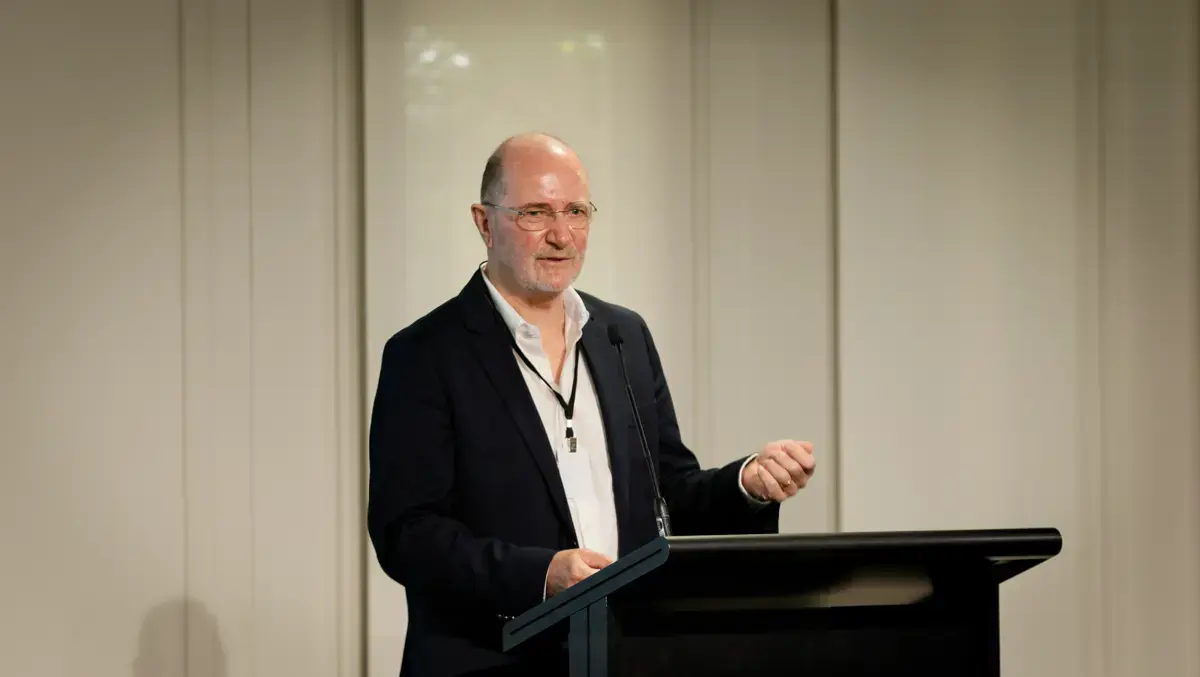
David Hayes, Founder and Managing Director of Babeltext, said the company's model shifts responsibility away from the traveller. "Translation apps put the work on the traveller. We put it on the business, where it belongs," Hayes said.
He said the combination of automation and staff input was central to the company's case for the travel market. "AI gives you speed and reach across 249 languages. Your people give you the warmth and the local knowledge. Together they turn a lost visitor into a guest who comes back," Hayes said.
The release of the film comes as travel businesses continue to look for ways to serve international visitors without adding large operational teams. For companies handling inbound tourism, the issue is often less about marketing reach than whether a potential customer can get a usable answer when they ask for help.
Babeltext's message is that language support should sit within the communication channels travellers already use, rather than requiring separate apps, call centres or manual translation work. The company said this can reduce missed enquiries and complaints caused by misunderstandings, while allowing existing staff to cover more markets than before.
Its short film uses a single stranded visitor as the example, but the business case it is making is broader: in tourism, the first response can shape both the booking and the relationship that follows.