


Exclusive: Rimini Street backs CIOs in fight against vendor lock-in
Mon, 25th Aug 2025
The cost of maintaining vendor support is spiralling, and many technology leaders say it's strangling innovation. In boardrooms across the ANZ region, CIOs and CFOs are now actively exploring third-party support, unlocking savings of up to 90% while reclaiming control from entrenched software vendors.
For David Rowe, Rimini Street's Chief Marketing and Product Officer, this is "a perfect storm" of conditions pushing leaders to act. "We're all about making the most of your existing systems, freeing up funds and resources, and investing those into projects that drive more value," he said.
Rowe says the problem starts with the 90:10 split of IT budgets - 90% to "keeping the lights on" and just 10% to innovation.
"That's a universal issue," he explained. "You can't get left behind with AI, but you also can't afford to throw money at projects that don't deliver ROI."
Urgent pressure and compelling numbers
ADAPT's 2025 research of 214 Australian organisations - representing $571 billion in revenue, or 30% of Australia's GDP - reveals the scale of the challenge.
Technology modernisation and simplification is the top priority, followed by improving operational effectiveness and reducing costs.
"Technical debt, the sunken costs in legacy and ineffective architectures are major roadblocks to delivering cost-effective and efficient IT solutions," Gabby Fredkin, Head of Analytics at ADAPT, commented.
The research also found:
- 70% of CIOs plan to invest in generative AI within the next 12 months.
- 24% of CIOs have already deployed AI to improve employee productivity, with the top use case being to free up staff time and reduce labour costs.
- A separate survey of 99 CFOs revealed they believe 40% of deployed technology is unused or wasted, often due to duplication and vendor lock-in.
- 50% of CFOs cite unclear fiscal responsibility as a barrier to managing cloud costs, while 48% report poor collaboration between IT and Finance on FinOps practices.
Independent technology strategist Michael Warrilow has seen the frustration first-hand.
"I've talked to many organisations in Australia that feel as though they're becoming hostages to their incumbent software vendors," he said.
"If an organisation is experiencing poor quality support and receiving few or no upgrades, then they should consider third-party software support."
From savings to transformation
Rowe points to clients who have redirected support savings into innovation. A pharmaceutical company in Brazil bypassed a costly ERP migration in favour of automating processes with ServiceNow's AI platform. "They validated it in weeks and proved to the business what they were capable of," Rowe said. "Now they're getting more money to do more."
In Sweden, rail operator Green Cargo redirected Rimini Street savings into automation and predictive maintenance projects.
"Their CIO won multiple CIO of the Year awards because he was delivering innovation his peers recognised," Rowe added.
CFOs, he said, are increasingly driving these conversations. ADAPT reports 44% now play a strategic role in technology decisions, up from 29%. "They have the fiduciary responsibility to make good decisions," Rowe explained. "And they're the ones pushing back hardest on cloud costs."
Some organisations are even "repatriating" workloads from hyperscalers to more controlled environments. "The promise of cloud savings hasn't always materialised," Rowe said. "FinOps practices are becoming essential, and CFOs are leading the charge."
Debunking myths and reframing budgets
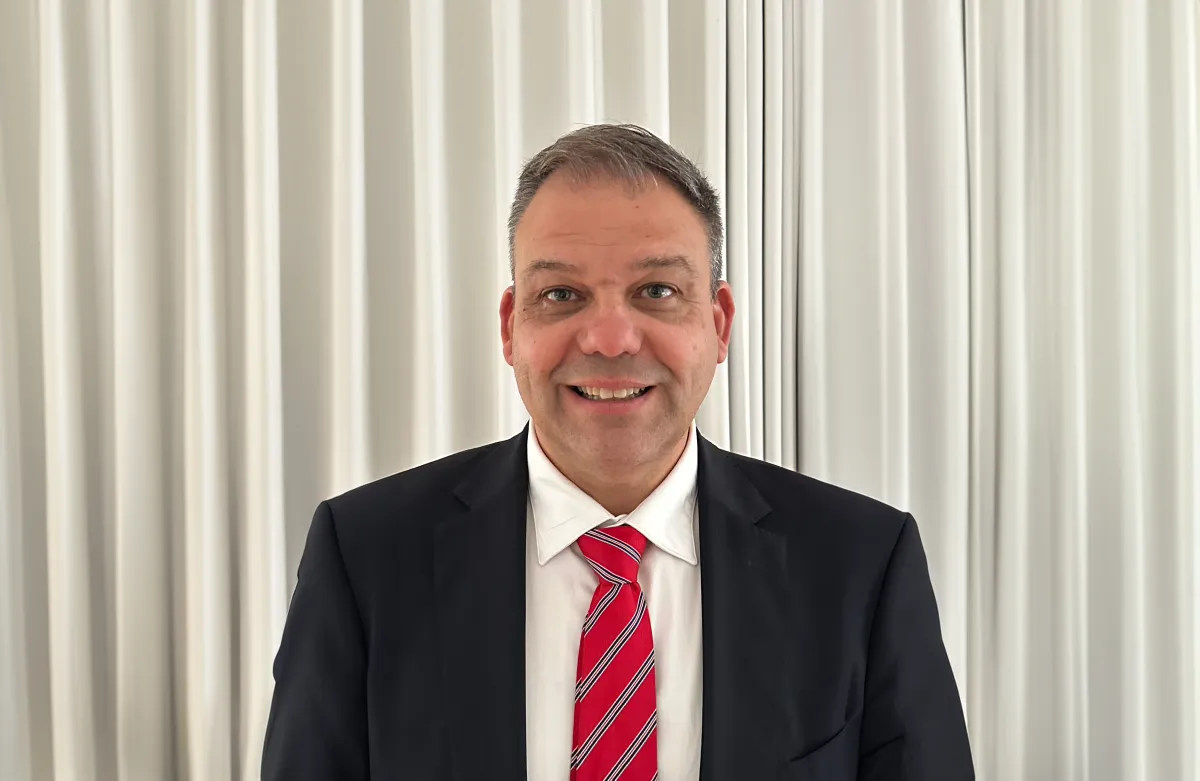
When Ant Withers, VP of Sales and Marketing at Rimini Street, meets CIOs in Australia and New Zealand, he finds many hesitant to break with their vendor.
"Usually the rumours are that if you move to third-party support, you won't get any more patches or upgrades and your ERP system will fail," he said. "Another is that it infringes on IP. Both are false."
Withers reframes the move as a way to free up capital. "How can CIOs and CFOs turn the money they spend on supporting their applications into innovation dollars?" he said. "Moving to third-party support is a great way of doing that."
Feeling the squeeze
Vendor price rises are accelerating the shift. Broadcom and VMware price hikes have reportedly reached 1,000%, while SAP is pushing costly S/4HANA migrations by 2027. ANZ companies have also been stung with 15–20% increases simply for paying support bills in US dollars.
"It's bill shock," Withers said. "We're giving clients time - 12, 18, 24, 36 months - to figure out the right strategy. They decide what stays and what goes."
For many, that breathing space is essential. "If you've got 90% of your organisation on VMware, maybe you keep 25% where it's critical, but move the rest," he added.
Breaking the monolith
Both executives agree that ERP as we know it is changing.
"In five or 10 years, these big, monolithic suites may not exist in the same form," Rowe said. "Integration platforms and data unification mean you can pick and choose best-in-class capabilities."
That inevitably means more hybrid, multi-vendor environments - an area Rimini Street is actively targeting. "Our answer now is yes to almost any software a client wants supported," Rowe said. "We can scale bespoke solutions and turn them into full products. VMware support started that way and is now one of our fastest-growing offerings."
For organisations trapped in the vendor upgrade cycle, Withers said the appeal is clear: "It's about taking control back. Upgrades should happen on the organisation's timeframe, not the vendor's."
A moment to act
ASX 200 and NZX companies are spending $4–6 billion a year on software support, with ADAPT estimating over $2.5 billion in potential annual savings across ANZ. Redirecting even a fraction into transformation, customer experience or AI could be game-changing.
"This is about more than dollars - it's about control," Withers said. "Third-party support gives CIOs and CFOs the freedom to innovate on their terms."
Rowe sees a rare alignment of opportunity and need. "Who better to guide customers through this transition than a company that's been helping them avoid unnecessary upgrades for 20 years?" he said.
"It's going to be a hybrid reality for a while, but the chance to innovate now is too good to miss."