


In a sector undergoing one of its most radical transformations in decades, Sarah Richardson, General Manager of the Australian Loyalty Association (ALA), has a stark warning for brands: adapt to AI or be left behind.
"Every presenter at our upcoming conference is talking about AI," she said. "It's changing everything."
Richardson, who founded ALA 14 years ago, spoke exclusively to TechDay about the future of loyalty in an AI-dominated world, the growing ethical concerns around hyper-personalised targeting, and the Association's newly announced expansion into Singapore and New Zealand.
"There's no part of loyalty that isn't going to be influenced by AI," she said. "From how offers are generated to who answers your call at a contact centre - AI is in everything."
When she first launched ALA, it was an informal dinner with 16 peers from the industry.
"People enjoyed themselves so much that we got a couple of vendors offering to sponsor. It's grown very embryonically since then," she said. Now, ALA boasts more than 4,500 members, over 30 corporate sponsors, and a growth rate of around 25% year-on-year.
Richardson's career spans major players like Telstra, Suncorp and Myer, where she led the Myer One loyalty program before founding ALA.
She says the changes sweeping through the industry now are more significant than anything she's witnessed in over two decades. "Last year, we were just starting to talk about personalisation. Now AI is building campaigns, handling communications, and even generating customised imagery based on your size, hair length and skin tone," she said.
Those innovations will be on full display later this month when ALA hosts its flagship annual conference, 2025 Asia Pacific Loyalty Conference, from 29 to 31 July on the Gold Coast.
Attendees can expect to hear how AI is not just streamlining loyalty but also slashing traditional marketing timelines.
"It used to take six months to learn how to build EDMs or SMS campaigns. Now, you just ask a machine and it does it for you," she said. "Companies are seriously talking about reducing loyalty teams to three people."
That evolution is creating anxiety across the industry, especially for loyalty professionals now facing redundancy.
"Several large companies running loyalty tech are already moving in that direction. I'm hoping it's just a shift in skill set - not a whole bunch of people who don't have jobs anymore," she said. "Soft skills will be crucial if you're going to survive."
Richardson also emphasised that technology is fragmenting the vendor ecosystem. "Loyalty programs have become too complex for one provider to do it all."
"Program managers now have to pick and choose tech from a variety of vendors. The larger players are trying to keep it all in-house, but even they're struggling to offer everything," she said.
The ALA sees itself as a connector in that fragmented space.
"We don't directly partner with brands, but we bring people together - vendors, program managers, legal experts, and innovators - to foster collaboration and progress," she said.
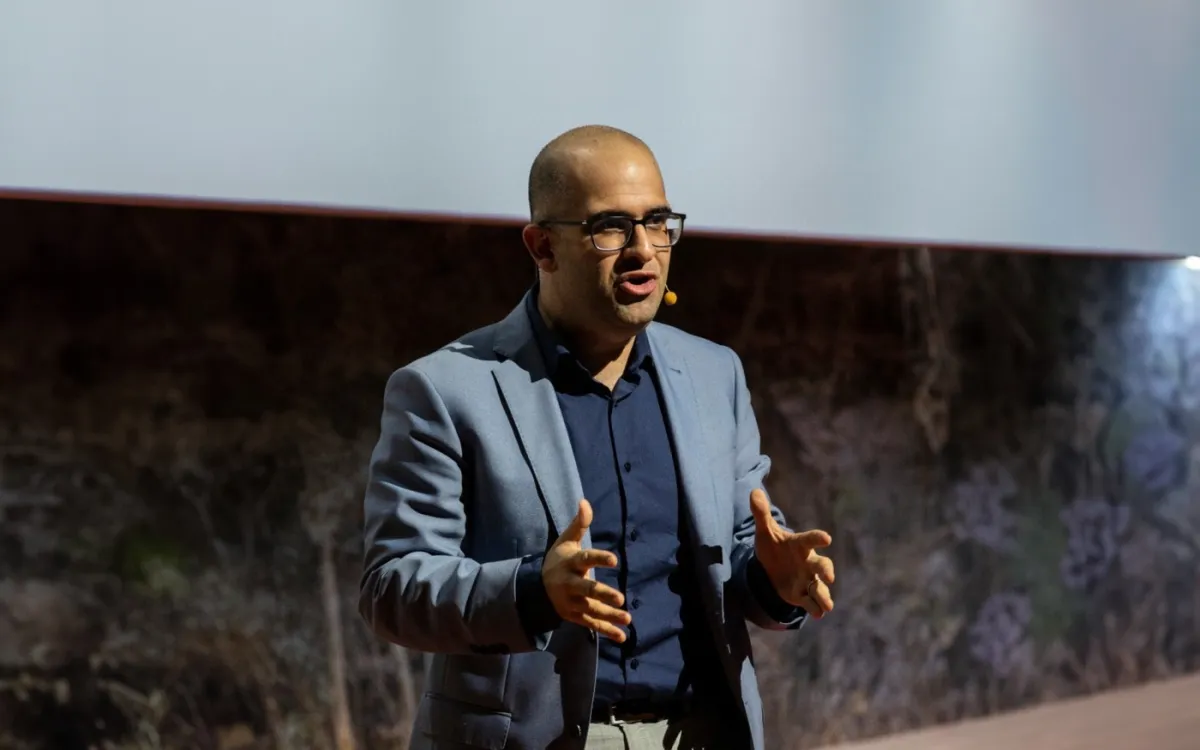
One such innovator is hospitality and entertainment group North Collective, whose General Manager Rob Lopez is scheduled to speak at the upcoming conference.
Lopez said North Collective's loyalty approach is built on both AI and ethics.
"As a profit-for-purpose business, we hold community at the heart of all we do, and that includes our loyalty program," Lopez said.
"Embedded into One Collective is the 'Community Points for Good' initiative, where our 77,000-plus members can select a community partner to donate an extra bucket of points to each quarter."
He said technology underpins their strategy - but never at the cost of purpose. "We've embedded AI across the loyalty program using Salesforce to enhance the member experience. It allows us to deliver truly personalised offers, but in a way that feels meaningful and aligned with our brand values," he said.
Richardson praised the model. "North Collective is a great example of innovation done right. They're showing how AI and purpose can coexist," she said.
But as more brands embrace AI-driven loyalty, ethical concerns are beginning to mount. Richardson said the most pressing of these is data privacy - particularly when it comes to minors.
"If a 15-year-old girl is served hyper-personalised content based on AI data, that raises questions. It's not the same as a retail assistant recommending a product. It's persistent and far more intrusive for young minds," she said.
ALA has engaged legal experts Lincoln Hunter and Veronica Scott to educate members about emerging regulatory obligations. Both will present at this month's conference, covering the ACCC's recommendations and upcoming changes to privacy legislation, including under-18 protections.
"You can be personally liable for breaches," Richardson said.
"We've just had another major privacy incident with Qantas. No one is immune."
Despite those challenges, ALA is in expansion mode. The Association confirmed it will launch operations in both New Zealand and Southeast Asia by 2026, beginning with Auckland and Singapore. The move, Richardson said, comes after persistent demand from sponsors unable to access similar networks in those markets.
"There's no equivalent platform in those regions that brings the loyalty community together like we do here," she said.
"We'll start with research in each market, set up advisory boards, and replicate the standard of events and education that we've built in Australia."
While based in Melbourne, Richardson said she expects to spend significant time on the ground in Singapore and New Zealand during the rollout.
"We're really excited. We know the formula now, and our sponsors trust us to get it right."
Trust is something she doesn't take lightly. "We've had sponsors with us for 12 years. We never lose them - unless they exit the market," she said.
When asked what advice she would give to a business looking to launch or refine a loyalty strategy, Richardson was direct.
"There's a perception that anyone can do loyalty, but the devil's in the detail. It's a very specialised area, and it stretches far beyond marketing," she said. "Start by getting advice from a loyalty expert. Come to our courses, attend the events, meet others in the industry, and learn from our speakers."
Richardson is clear about ALA's mission.
"We exist to provide a forum for thought leadership, collaboration and innovation across the loyalty industry," she said. "And we're growing - not just in numbers, but in impact too."