

Rockwell automation deploys unified controls at Brazil LNG
Fri, 7th Aug 2026 (Today)
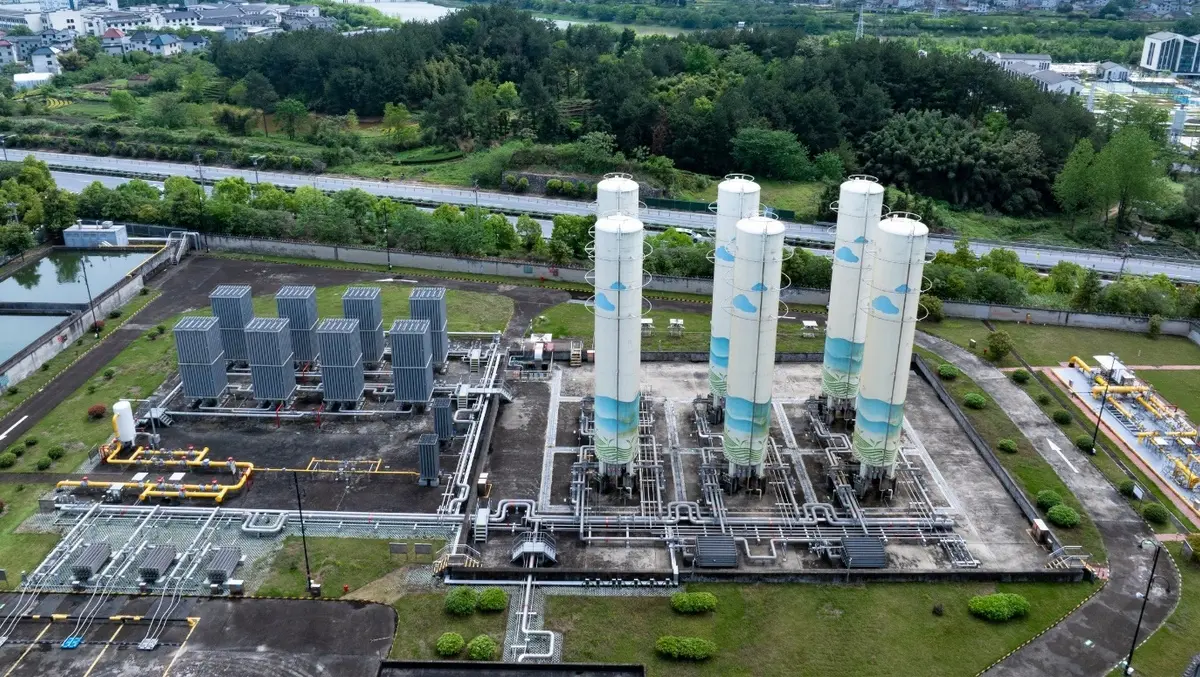
Rockwell Automation deployed an integrated control and safety system at a remote gas liquefaction facility in Brazil, combining process control, safety, and fire and gas systems in a single architecture.
The facility had been operating in harsh equatorial conditions, with high temperatures, humidity, and frequent electrical disturbances. Its remote location also made power availability, communications, maintenance, and spare parts support more difficult.
Operators faced a demanding production environment. Gas liquefaction requires close control of pressure and temperature to avoid hydrate formation, which can cause blockages and increase safety risks.
The site also needed to integrate systems and equipment from multiple vendors while meeting strict uptime and safety requirements. It had to comply with SIL 2 safety standards designed to protect personnel and equipment.
Single architecture
The installation brought the Process Control System, Safety Instrumented System, and fire and gas systems onto a single platform. FactoryTalk View SE served as the operator interface, giving staff a real-time view of plant data and centralised monitoring across operations.
The unified design was intended to reduce the complexity of operating separate process and safety systems. It also created a common framework for communication between them at a site where continuous operation is critical.
Redundant architecture was included to support high system availability. In liquefaction plants, redundancy helps keep essential control functions running when equipment failures or external conditions disrupt normal operations.
Operating conditions
The Brazilian facility operates in an environment where heat, moisture, and unstable electrical conditions can affect industrial systems. In remote energy installations, these factors can shorten equipment life, complicate maintenance schedules, and increase the risk of operational interruptions.
To address those conditions, the system included infrastructure designed for long-term use in difficult environments. This approach was aimed at improving reliability while limiting maintenance demands over time.
Real-time monitoring was another part of the project, giving operators greater visibility into system performance so they could detect changes earlier and respond more quickly when process conditions shifted.
Advanced process management tools were also used to help keep liquefaction operations stable. Hydrate management and continuous monitoring were included to reduce the likelihood of process interruptions and maintain safe operating conditions.
Reliability focus
Reliability is a central concern for LNG facilities because they typically run close to full capacity and are expected to operate continuously for long periods. Any unplanned outage can interrupt production, create safety issues, and lead to costly maintenance work in remote locations.
The integrated setup was intended to improve operational stability by linking control and safety functions more closely. Rockwell said this led to more consistent plant performance and a lower risk of disruption from changing operating conditions.
The system also strengthened protection while supporting compliance with SIL 2 standards. The standard is widely used in industrial environments where safety systems must reduce the risk of hazardous events to a defined level.
Lifecycle support
Long-term supportability was another factor in the project. Remote facilities often face delays in obtaining replacement parts and specialist maintenance support, which can lengthen outages and increase operating risk.
Rockwell said the use of a standardised system architecture was meant to simplify maintenance and support the site over its lifecycle. A more consistent design can make training, troubleshooting, and parts management easier for operators working far from major industrial centres.
The project also reflects a broader push in the gas sector to integrate plant control, safety, and monitoring functions rather than manage them through separate systems. Operators have increasingly sought common architectures to improve visibility across sites and reduce the burden of supporting multiple technology platforms.
For LNG producers, the issue has wider economic significance. Australia's LNG export earnings typically range between AUD $60 billion and AUD $70 billion a year, and major liquefaction facilities across Western Australia, Queensland, and the Northern Territory operate near their combined capacity of almost 90 million tonnes a year.
Those plants directly employ more than 15,000 people and supply gas for electricity generation, manufacturing, and fertiliser production across the Asia-Pacific region. This makes reliability at liquefaction facilities a significant operational priority for both operators and customers that depend on continuous output.
At the Brazilian site, the project resulted in a more resilient operating base for safe, continuous production in demanding conditions, according to Rockwell.