LiDAR stories
Robotaxi service could be viable in Australia within 24 months if operators win approvals and prove the vehicles can handle local roads safely.
Road authorities may be missing hidden hazards as heavier rain and extreme weather increase landslip risks on high-risk corridors across Australia.
Retailers and IT teams are using networked cameras for analytics and automation, but each new device also widens cyber risk.
A Perth-built transplant device has taken three national honours, highlighting Western Australia's growing strength in medical technology.
The approval opens the way for repeatable long-range drone inspections across Queensland's Surat Basin, cutting costs and risk for energy operators.
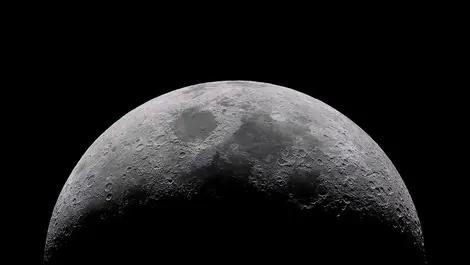
Moon-based processing will let HPE test AI and high-performance computing on the lunar surface, reducing reliance on Earth links for future missions.
The investment follows years of production use and has already helped 42dot halve storage needs while keeping autonomous driving work within existing data centre capacity.
The update aims to cut manual verification work for teams building software-defined products, with new testing and inspection tools added.
The chipmaker's technology is now embedded across robotaxi development, underscoring its role in a market Nvidia says could hit USD $400 billion by 2035.
Labour shortages and rising security costs are pushing businesses towards robots that can monitor large sites overnight and flag incidents to staff.
Australian households can now buy robot mowers, window cleaners and pool scrubbers as Ecovacs extends automation beyond indoor floors.
The capital will help the Queensland company lift production, add jobs and push its autonomy software into more overseas markets.
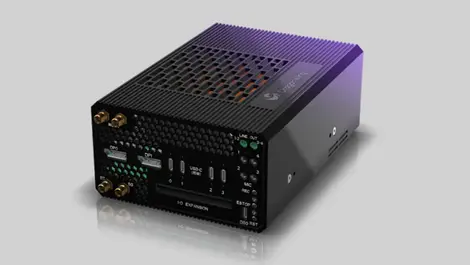
The platform is aimed at helping robotics developers move from prototypes to production with up to 700 TOPS of on-device AI.
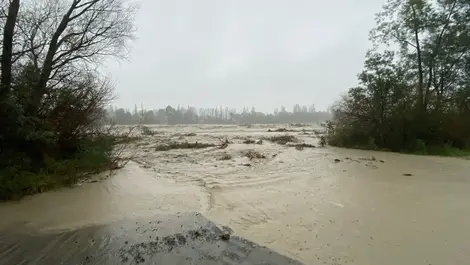
Canterbury councillors are being told another major flood could hit within a decade, as a Kaikōura clean-up leaves ECan facing more than $30m in repairs.
Wider adoption in Canada is being held back by slower digital maturity, even as firms push spatial AI into hospitals, factories and defence sites.
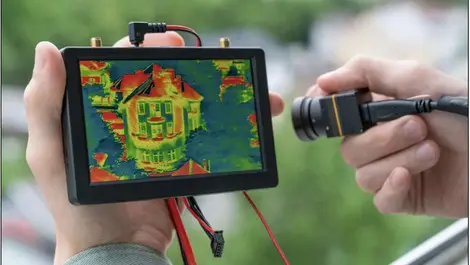
Buyers could face fewer post-settlement surprises as drones, thermal cameras and LiDAR expose hidden defects in New Zealand homes.
The deal adds about 100 staff and gives RSK a wider base in New Zealand's water, infrastructure and energy markets.
Fragmented competition and falling hardware costs are set to propel the sector from USD $8.3 billion in 2026 to USD $153.4 billion by 2033.
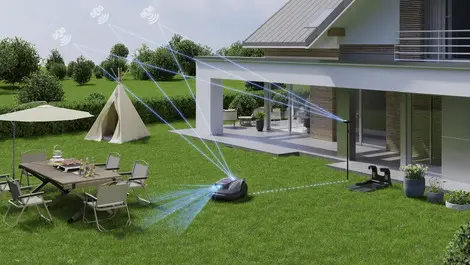
Robotic mower makers could cut installation complexity as the new range targets gardens from simple plots to estate-scale lawns.
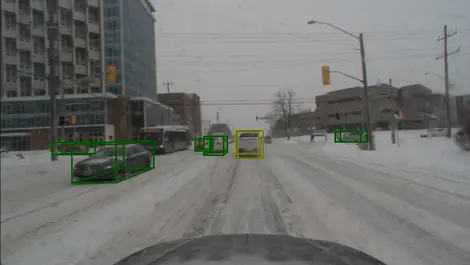
Researchers say better data and sensors are needed before self-driving cars can cope with Toronto's snowy roads and lane-less winters.




.webp)

.webp)