

Australia rates rise likely this year, economist says
Tue, 18th Aug 2026
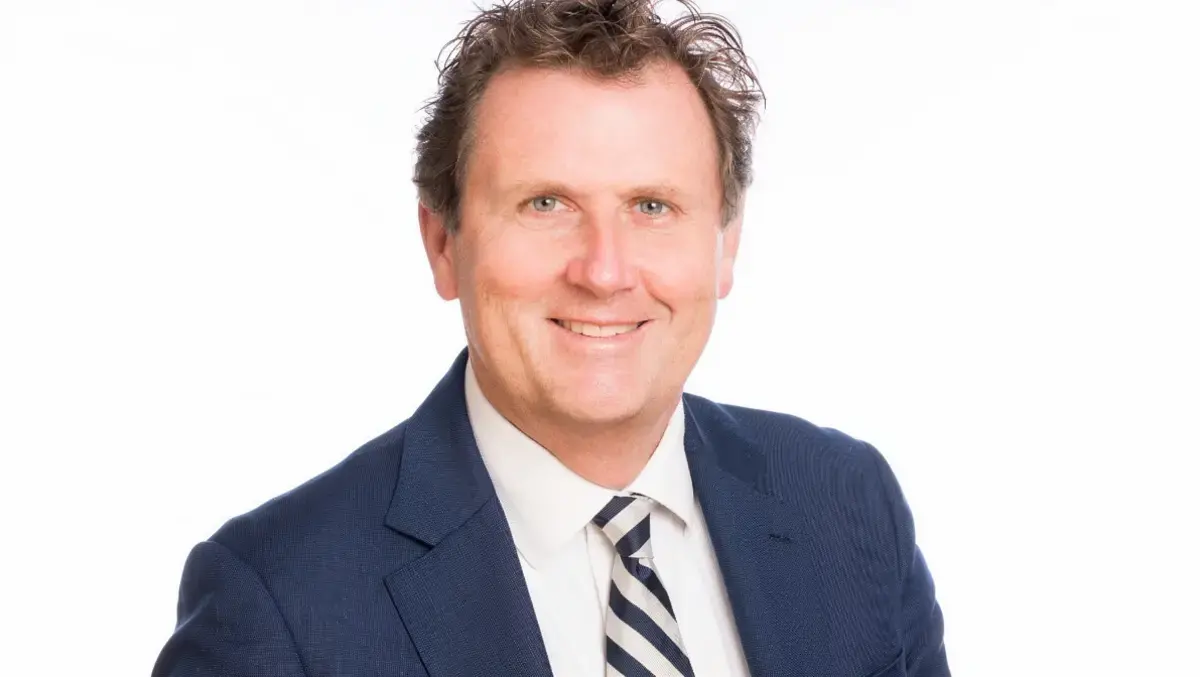
CreditorWatch Chief Economist Ivan Colhoun says Australia's central bank is still likely to raise interest rates again before the end of the year, citing persistent inflation and weak household finances.
Consumer confidence rose 6% in August after a 4% increase in July, according to Colhoun's commentary on the latest sentiment figures. Even so, sentiment remains about 10% below its level a year earlier and is still in pessimistic territory.
The Reserve Bank of Australia's decision to leave rates unchanged in August, together with softer house prices, has provided some support to households, Colhoun said. That support was reflected in responses on family finances and willingness to buy major household items.
The biggest monthly gain in the survey came from views on family finances compared with a year ago, which rose 12.6%. A separate measure of whether it was a good time to buy a major household item increased 8.1%.
Even so, signs of strain persist. Cost-of-living pressures remain households' main concern, and family finances have been at very low levels for some time, Colhoun said.
He also pointed to signs that the labour market outlook may have become less certain. The unemployment expectations series rose 4.4% in August and is 8% higher than a year earlier, although he noted the measure has been volatile and the sharp rise after the start of the Iran conflict has largely unwound.
Rate outlook
The stronger confidence readings have not changed Colhoun's view on monetary policy. The RBA continues to warn that further tightening may be needed if inflation does not start to moderate soon, he said.
"The RBA's interest rate hold in August and lower house prices appear to be providing some support to consumer sentiment, though the index remains in pessimistic territory, with perceptions of family finances remaining quite weak," Colhoun said.
He said the recent lift in confidence may prove temporary if inflation does not show clearer signs of easing in the next few months. In his view, markets and many economists may be too quick to assume the current tightening cycle has ended.
"I continue to think a further tightening before the end of the year is very likely," Colhoun said.
That stance puts him at odds with the broader view that the RBA has already done enough. He argued the risk of another move remains higher than consensus forecasts suggest, especially if economic growth and core inflation do not slow enough to bring quarterly core inflation below 0.8% in the third quarter.
Retail strain
Beyond rates, Colhoun highlighted another pressure point for businesses: rising technology prices. Recent retail company reports have pointed to notable increases in the cost of technology products, adding another layer of difficulty for a sector already grappling with cautious consumers, he said.
Cheaper electric vehicle prices may have helped lift sentiment around major purchases, he said, but that has not offset broader price pressures across household budgets. For retailers, the combination of elevated living costs, still-high borrowing costs and changing pricing trends in technology is unlikely to offer much relief.
Colhoun drew a direct line between those conditions and business stress, saying the available data does not suggest retail insolvencies will improve any time soon.
Westpac's reading of the consumer survey, cited by Colhoun, found the improvement was concentrated among mortgage holders. Responses were more favourable among those surveyed after the RBA left rates unchanged at its August board meeting, suggesting households remain highly sensitive to any shift in borrowing costs.
Colhoun also noted that the RBA does not place heavy weight on consumer confidence data in its policy decisions and has observed that the survey is not closely correlated with spending patterns. Even so, he said sustained trends within the survey remain useful, particularly those related to family finances and unemployment expectations.